
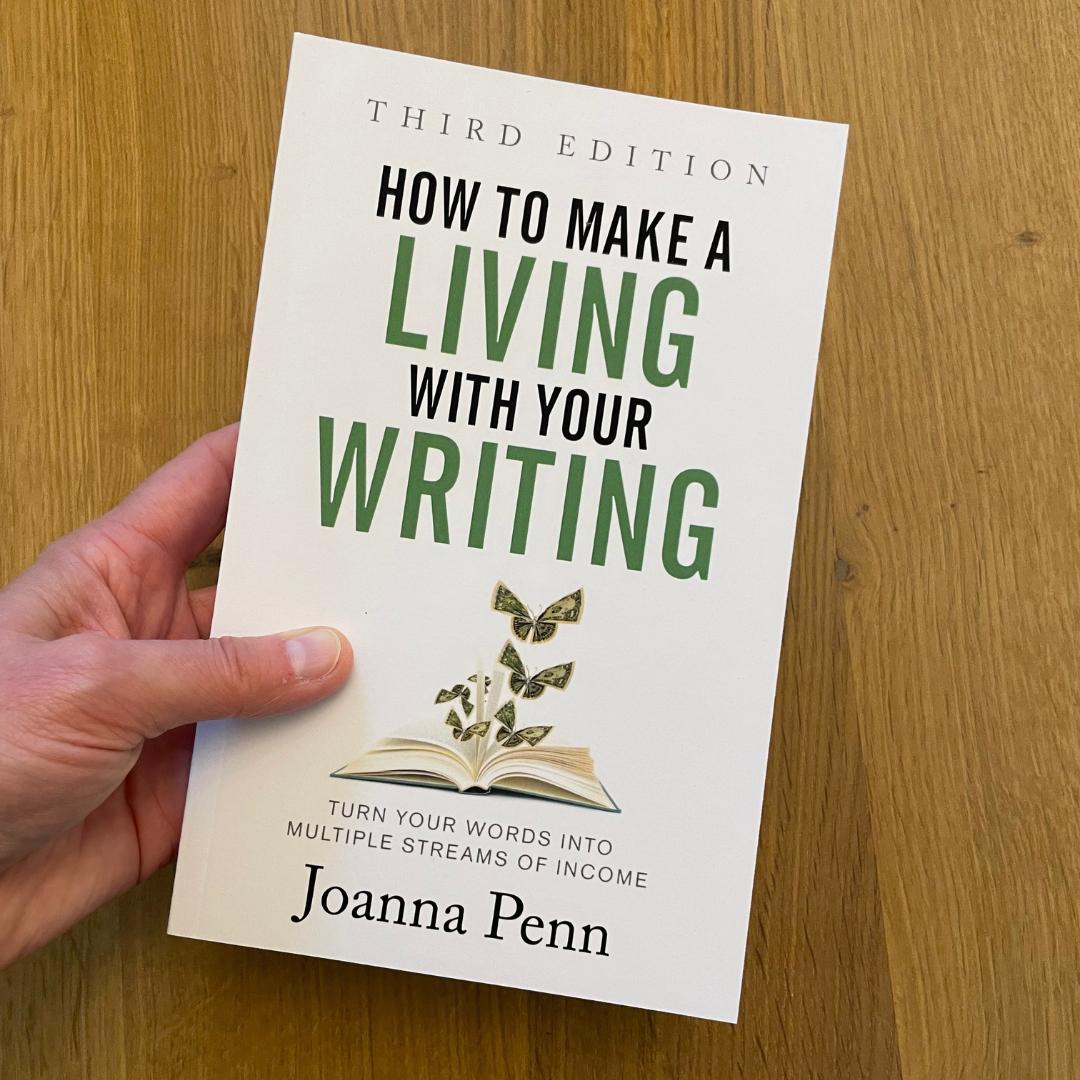
How to Make a Living With Your Writing: Crowdfunding, patronage and subscription
“1,000 true fans is an alternative path to success other than stardom. Instead of trying to reach the narrow and unlikely peaks of platinum bestseller hits, blockbusters, and celebrity status, you can aim for direct connection with a thousand true fans.”
Kevin Kelly, 1000 True Fans
The most common way for writers to make a living is to create something first and then be paid for the product after it is produced by using the various publishing and media opportunities available. But the emergence and popularity of patron-funded creation and crowdfunding has provided creators with new ways to earn money.
You can get paid before you even create the work, and if you retain the rights, you can turn those products into other streams of income later. You can also earn recurring monthly payments that essentially provide a predictable ‘salary’ for your creative work.
This is all possible because a certain percentage of your fans love your work enough to pay upfront for a project or to support you monthly. They understand that the major online sites and big publishers leave little income for the creator, so this is a way to give back and receive extra limited-edition bonuses in return.
This type of income is most suitable for writers who already have an audience and have some way to reach them, as you need to drive supporters to the project. You also need to make sure you set aside the time to create whatever you promise for your one-off or monthly project.
Crowdfunding
Crowdfunding is designed for specific creative projects where many individual backers contribute a small sum of money upfront. If the project is funded, then the creator goes ahead with the project. Successful projects are also evidence of an engaged audience, and some authors have attracted book deals off the back of their Kickstarters.
In November 2020, multi-award-winning fantasy author Brandon Sanderson raised nearly US$7 million on Kickstarter to create the 10th anniversary leather-bound edition of The Way of Kings. Nearly 30,000 people supported his project for varying levels of pledge. Sanderson worked with a printer as well as professional artists to fulfill the project.
This is a great example of multiple streams of income, as Sanderson licensed other formats to traditional publishing but kept his special editions for his own projects.
Of course, Brandon Sanderson has a huge audience and most creators cannot fund such a big project, but start small and see what happens. Browse Kickstarter.com/publishing to find examples of projects currently underway for books and journalism.
If you want to crowdfund a project, do your research around best practices. There are horror stories of people under-budgeting and ending up out of pocket, so make sure you add a buffer for your time and cost out your pledge rewards and the final product in detail.
Dean Wesley Smith and Kristine Kathryn Rusch do regular Kickstarter projects to fund books, magazines, and anthologies. They also have a free course on Kickstarter best practices.
Patronage
Patron support is an ongoing revenue stream based on fans and supporters paying monthly, or for specific output in a form of membership.
Patreon.com is a popular patronage site used for all kinds of writing projects. Examples include:
Multi-award-winning and bestselling author Kristine Kathryn Rusch creates non-fiction articles about writing, publishing and creative business. Patrons receive her articles early and then Kris posts them on her blog at KrisWrites.com and also turns them into non-fiction books. Patreon.com/kristinekathrynrusch
Prolific, seven-figure independent author Lindsay Buroker creates fantasy and science fiction novels, releasing her new books to patrons first before publishing on Amazon and later on other stores. Patreon.com/lindsayburoker
Literary fiction, poetry and non-fiction author Orna Ross creates fiction and poetry at Patreon.com/OrnaRoss as well as providing help on how to self-publish poetry and plan creative projects.
It’s not just for independent authors
Hugo and Nebula Award-Winning fantasy author Seanan McGuire creates short stories and poetry for her fans, some of which she later licenses into short story anthologies. Her novels are traditionally published under her own name as well as Mira Grant. Patreon.com/seananmcguire
It’s not just for writing projects
Well-Read Black Girl is a writing community for Black and POC (Person of Color) writers at Patreon.com/wellreadblackgirl
Many authors use Patreon to support their podcasts
Thanks to my patrons for supporting The Creative Penn Podcast at Patreon.com/thecreativepenn where patrons receive an extra monthly Q&A audio and other benefits.
Mark Leslie Lefebvre uses Patreon for his Stark Reflections on Writing and Publishing show at Patreon.com/starkreflections and J. Thorn, J.D. Barker, and Zach Bohannon use it at Patreon.com/writersinkpodcast, among others.
Subscription email newsletters
Paid email newsletters are another possibility for subscription or membership. Writers of all genres spend a lot of time researching various topics, so we are often good at curation, as well as creation.
An email list is one of the most important business assets for authors, but usually this is a way to stay in touch with readers and fans and is free to sign up for. Paid email subscriptions are becoming more popular as a way to find the signal in the noise.
As an example, I subscribe to The Hotsheet, a paid bi-monthly newsletter on publishing by author and industry expert Jane Friedman.
Urban fantasy and non-fiction author T. Thorn Coyle uses Substack, which enables writers to offer paid email subscriptions, as well as video and audio.
She says, “Not only is Substack helping me connect to people more clearly, some people are happy to pay for my weekly newsletter even though they can get the same content for free. It’s a deepening of my content marketing practice which I’m simply starting to call ‘connecting to people.’ My old newsletter just didn’t work the same way for me, on any level. It felt like a chore, and I got very little engagement. Substack is easily shareable on social media and I get more engagement than I ever have before, plus income.”
Platforms for subscription, membership, and tips
There are other platforms that enable this kind of ongoing monthly patron support, or one-off tips.
• Facebook offers Fan Subscriptions for Pages
• YouTube offers Channel Memberships
• Ko-fi.com and BuyMeACoffee.com ask fans to support your work for a tip or the price of a coffee
• ConvertKit Commerce offers recurring subscriptions for paid newsletters as well as one-off sales of digital products
More platforms are emerging all the time to help creators make a living from fans, so research what might work for you and your audience.
Questions:
• What are the benefits of crowdfunding?
• Research the publishing and writing section of Kickstarter and Indiegogo to find ideas for what you could create. What sparks your curiosity?
• What are the benefits of patronage or ongoing subscription?
• Research the writing and creative section of Patreon to find examples of creators who make a monthly income. What might work for your community?
• How could you successfully incorporate crowdfunding and/or patronage into your streams of income? What do you need to have in place to make this happen?
Resources:
• Kickstarter Creator Handbook — kickstarter.com/help/handbook
• Kickstarter Publishing and Journalism projects — Kickstarter.com/publishing
• Kickstarter projects by Dean Wesley Smith and Kristine Kathryn Rusch — www.kickstarter.com/profile/403649867/created
• Brandon Sanderson Way of Kings Kickstarter project — Kickstarter.com/projects/dragonsteel/the-way-of-kings-10th-anniversary-leatherbound-edition
• Kickstarter best practices course from WMG Publishing — wmg-publishing-workshops-and-lectures.teachable.com/p/kickstarter
• Patreon Creator Help — support.patreon.com
• YouTube Creator Academy — Creatoracademy.youtube.com/page/course/channel-memberships
• Facebook Fan Subscriptions — Facebook.com/creators/getting-started-with-fan-subscriptions
• The Hotsheet publishing email from Jane Friedman — hotsheetpub.com
• Substack for paid email newsletters — Substack.com
• Fan-supported tips — Ko-fi.com and BuyMeACoffee.com
• ConvertKit Commerce for recurring subscriptions — TheCreativePenn.com/convert