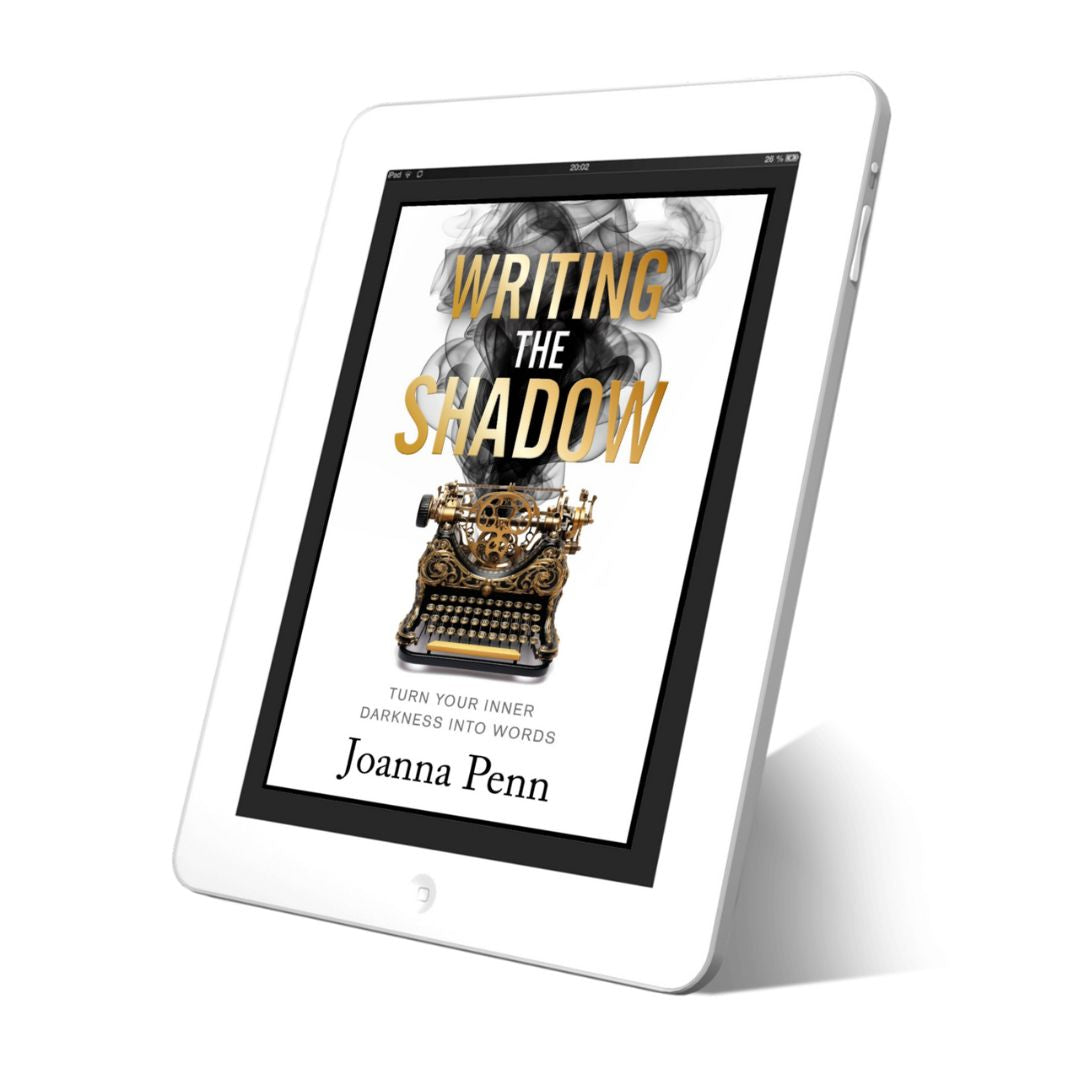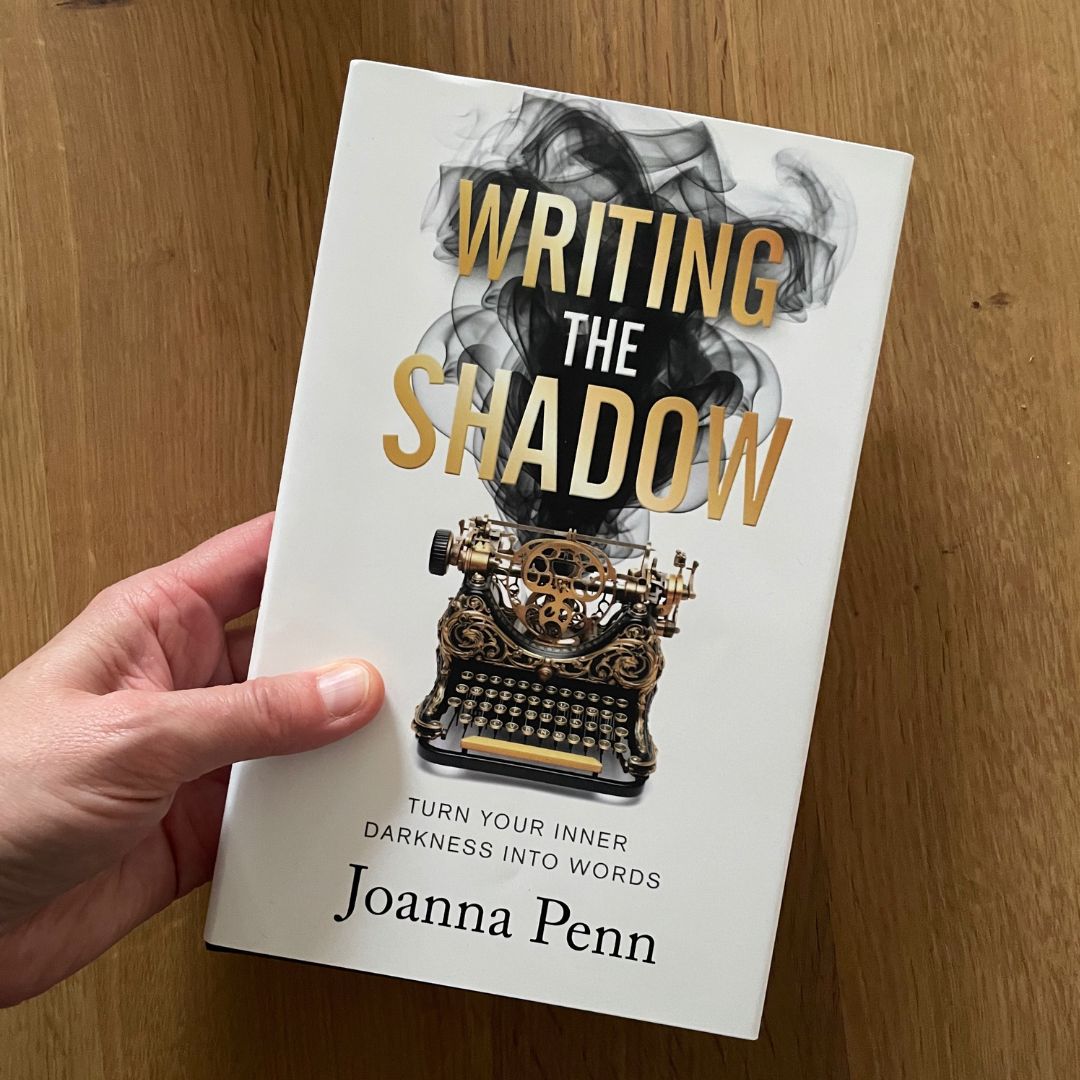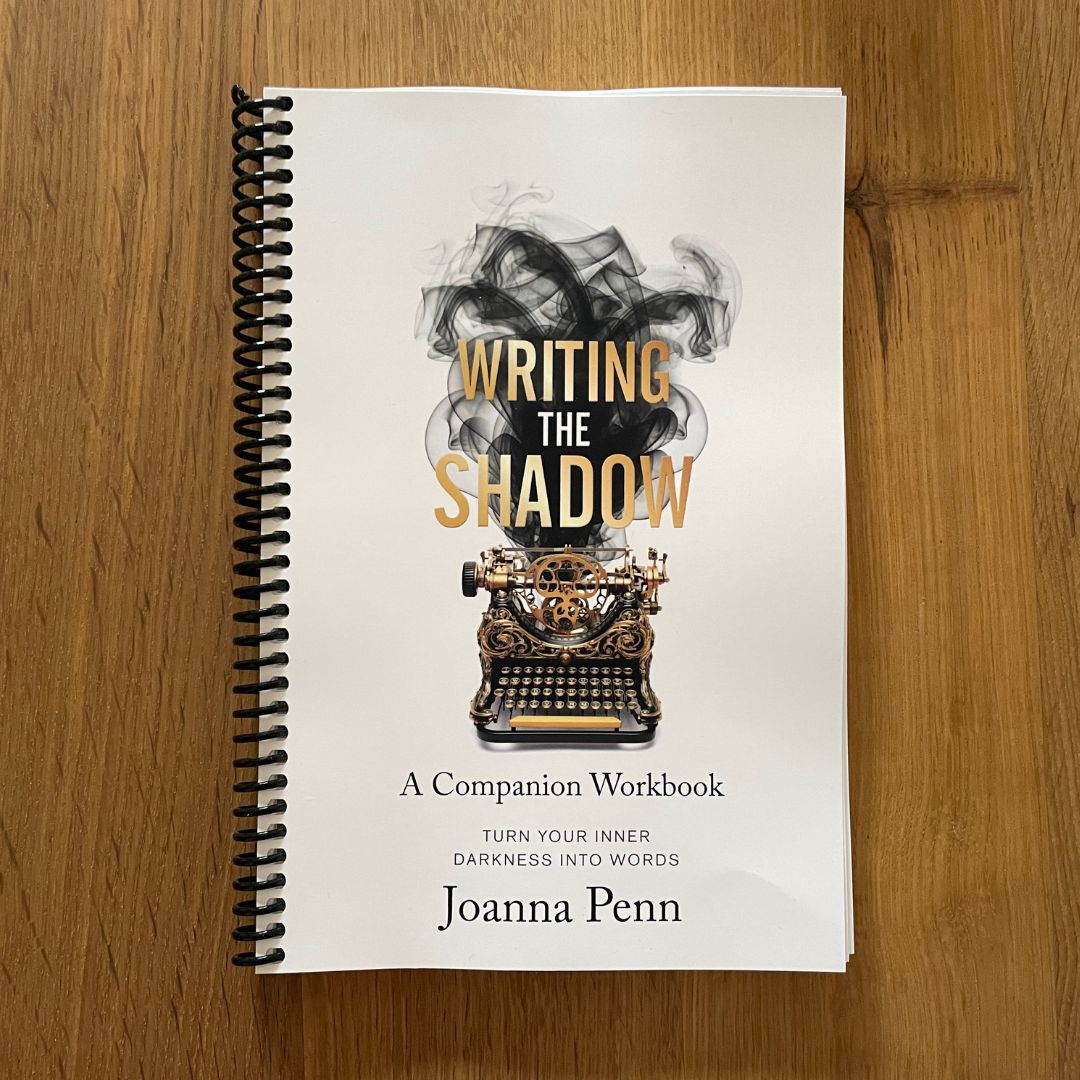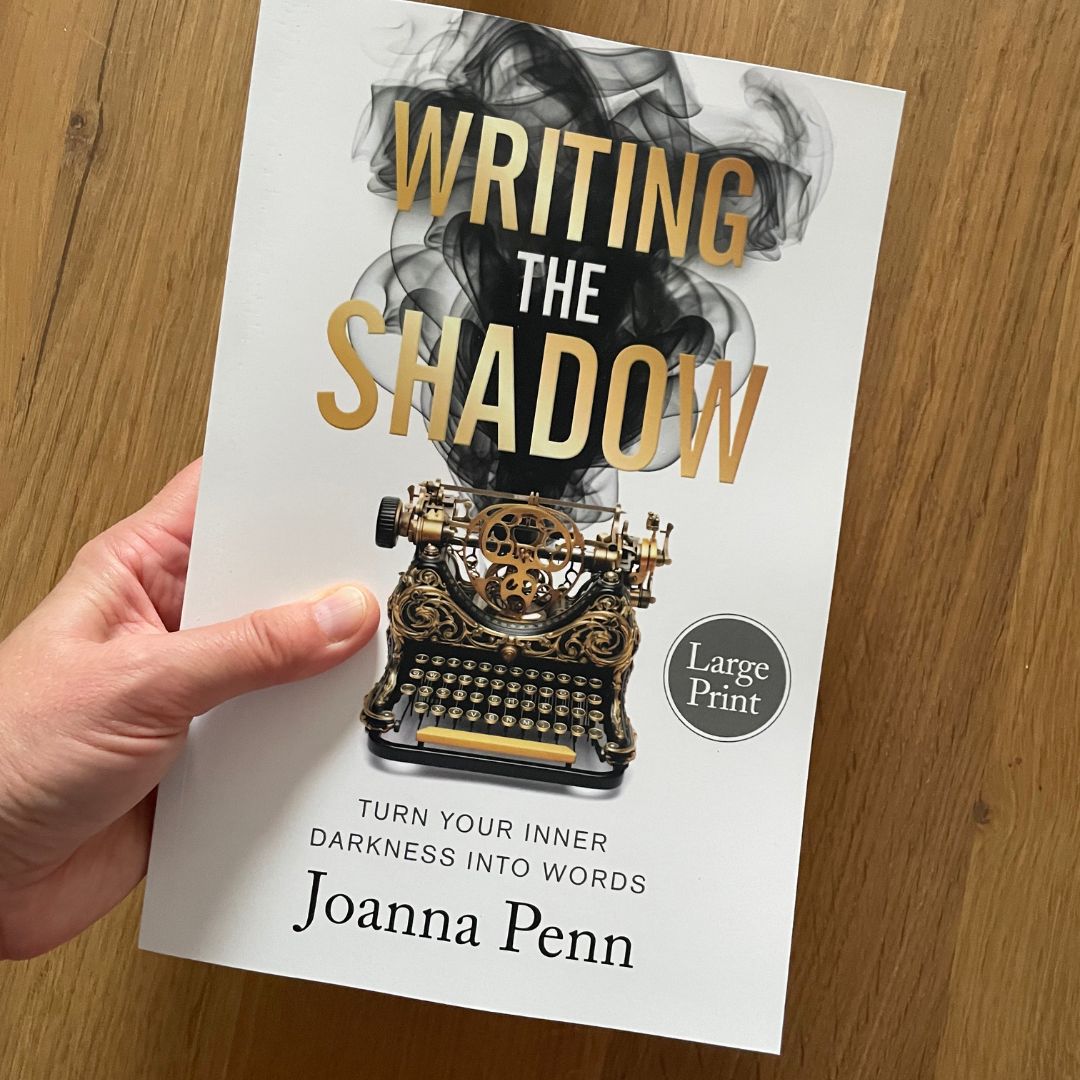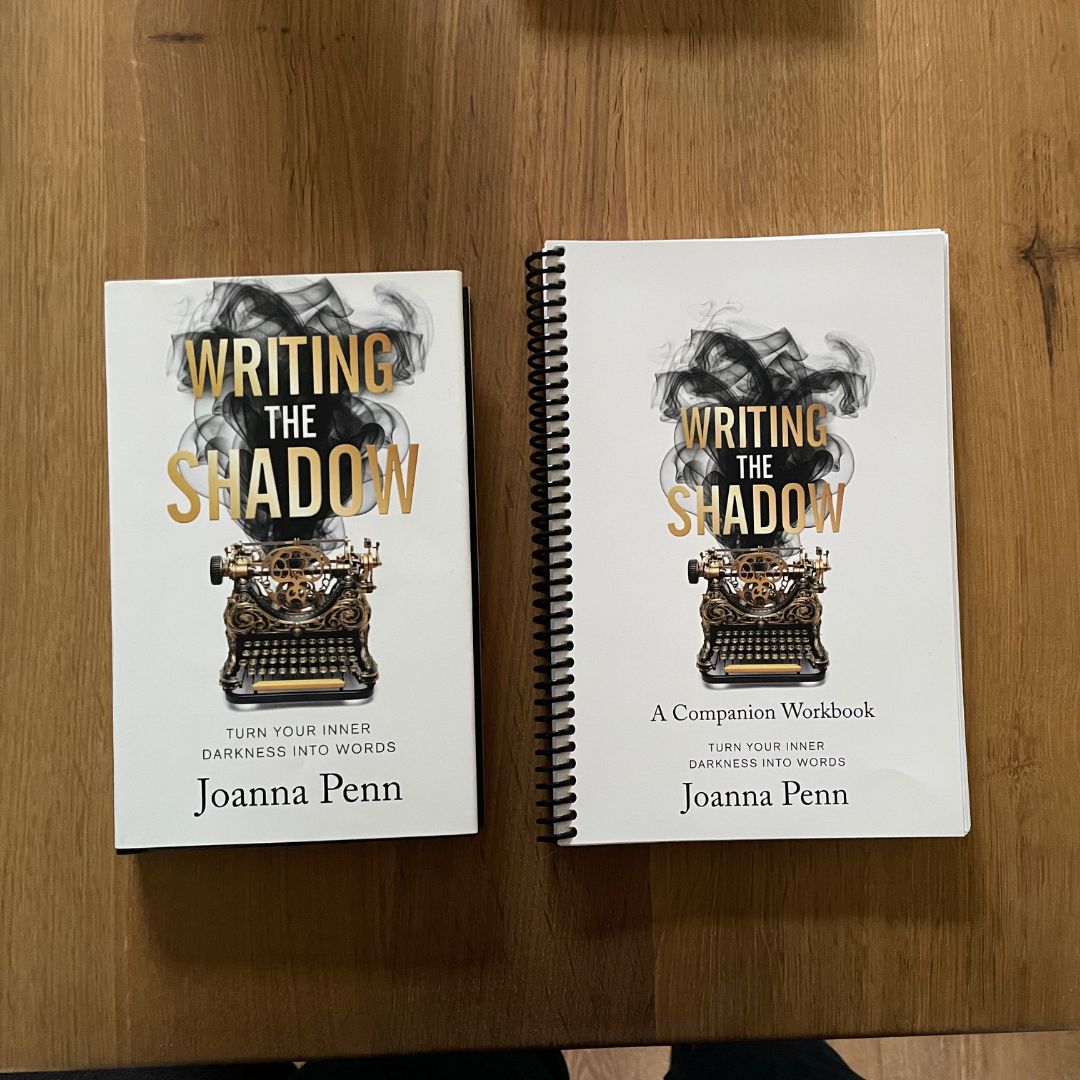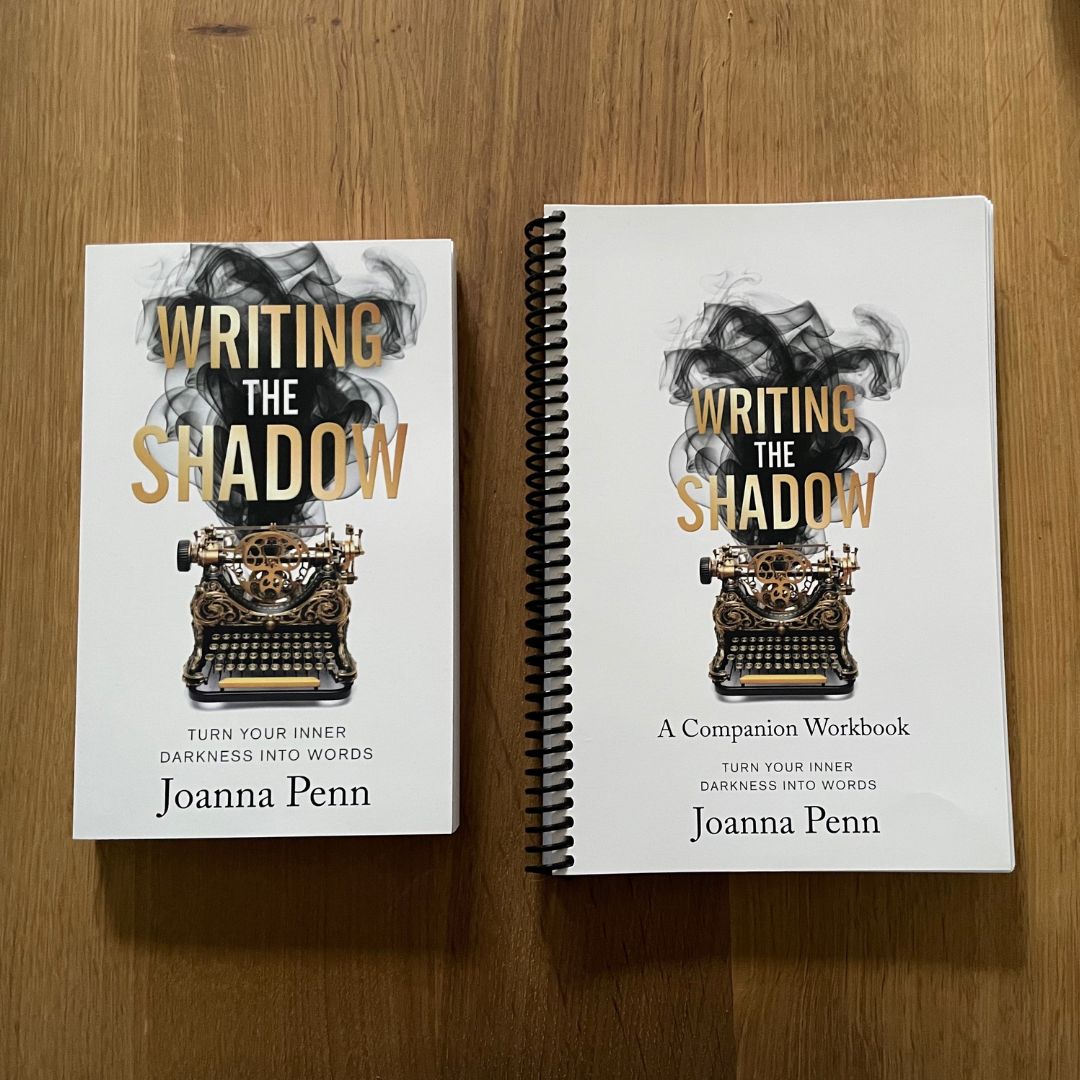

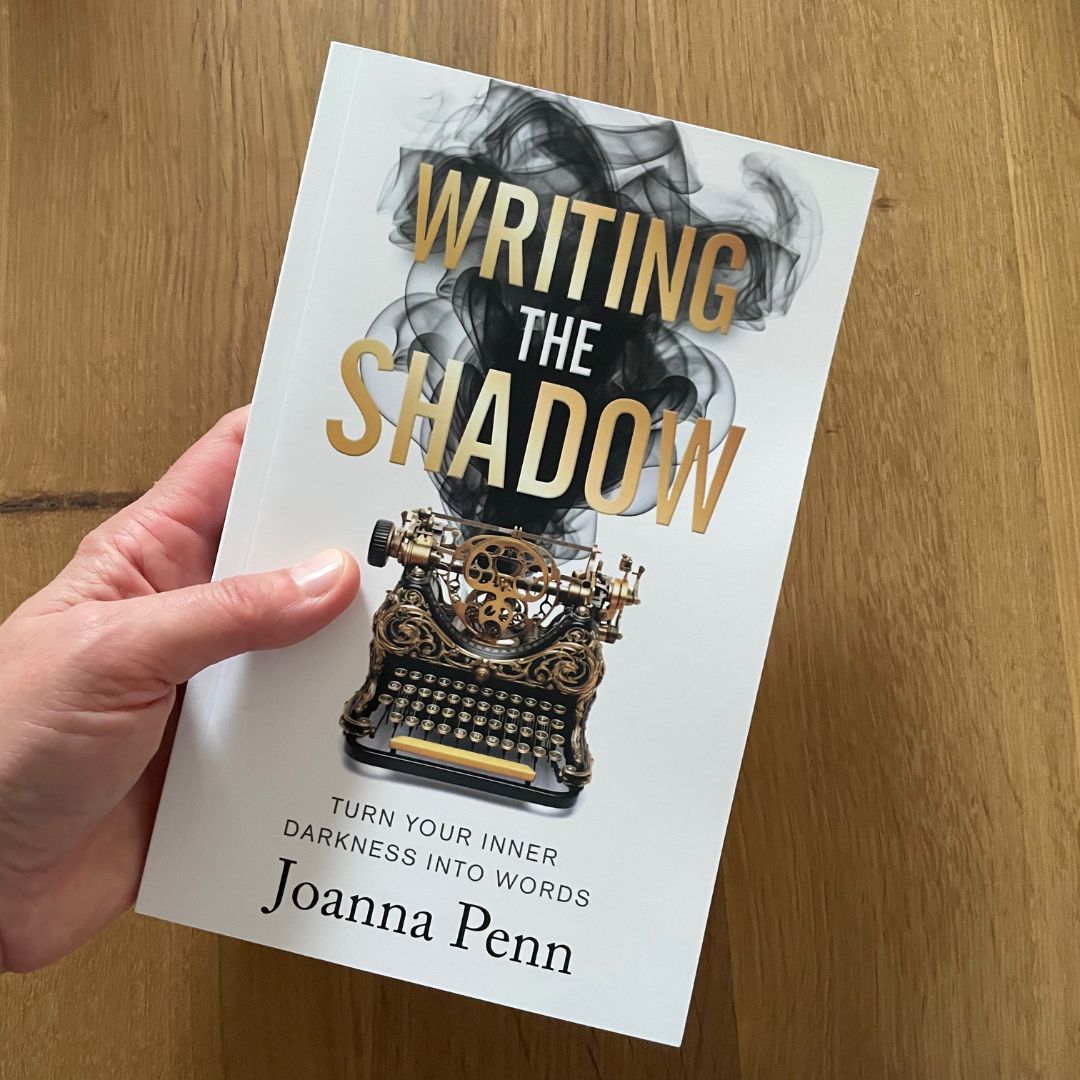
Writing the Shadow: Turn your Shadow into gold
“The gold is in the dark.”
—C.G. Jung
For the first thirty years of my life, I did not believe I was creative.
Perhaps it stems from that experience in my English class at school, or perhaps it was the overwhelming cultural message that a creative career would mean I’d end up a poor artist starving in a garret.
I like having money, and I always wanted to be financially independent and able to look after myself. I don’t want to be a burden. So I pursued a career in business and pushed creativity into my Shadow, denying it was even part of me.
It was easier to do a job that ultimately I didn’t care about than to face up to what I really wanted to do — a path that would open me up to criticism, judgment, and potential failure.
Steven Pressfield calls this a ‘shadow career’ in Turning Pro:
“Sometimes, when we’re terrified of embracing our true calling, we’ll pursue a shadow calling instead… A shadow career entails no real risk. If we fail at a shadow career, the consequences are meaningless to us.”
I worked in other people’s businesses; I read other people’s books, and spent my free time looking at other people’s art in museums, galleries, and on cultural trips. I was obsessed with other people’s creativity.
I’m grateful to my consulting job for making me so incredibly miserable that I was forced to eventually make a change.
In 2006, I wrote out an affirmation on a piece of yellow card: “I am creative, I am an author.”
It wasn’t true and I couldn’t say it out loud, so I tucked the card into my wallet and recited the words in my head as I walked to the train station each day for my commute into the office.
One of the psychological tricks of affirmations is to create cognitive dissonance, an uncomfortable feeling that what you’re saying is incorrect, so your brain seeks ways to fix it. You either have to take action to make it true, or you need to stop saying the affirmation.
That’s when I began to work on what eventually became my first book, Career Change. I figured out ways to become more creative, to finally turn that affirmation into reality.
It took a few months before I could say “I am creative” out loud.
It took a few years before I published my first book and could say, “I am an author.”
But in December 2008, I started my website, TheCreativePenn.com, because I could finally accept that I was indeed creative. Later, I started a company, The Creative Penn Limited, to further claim the word for my life.
In September 2011, I left my consulting job to become a full-time author and creative entrepreneur.
I’ve made a (very good) living from my words ever since.
My creativity lay in Shadow for so long, but I was able, over the process of years, to engage with it and slowly turn it into gold.
What is ‘gold’ for you?
Bringing creativity out of my Shadow has resulted in many kinds of ‘gold.’
The most important one is that I feel my life has meaning and that I’m happy in my work as an author, exploring my ideas through my books and helping others. I measure my life by what I create.
It has also brought me friends and a community around the world, as well as a chance to develop myself and my craft and business skills. Then, of course, it has brought me financial reward, as I turn my creativity into books, products, and experiences that people want to buy — including this book!
The ‘gold’ in each aspect of your Shadow will be different, but it’s important to consider as part of why it’s worth delving into your darker side. If it’s going to be a painful process, perhaps one that takes many years, what might the gold be on the other side?
Here are some possibilities.
(1) Readers will love your books
In 2022, Colleen Hoover dominated the bestseller charts.
The New York Times reported in October 2022 that she had sold 8.6 million print books already that year, more than James Patterson and John Grisham combined, and more than the Bible, with over 20 million sold over the course of her career. It was a fascinating article delving behind the scenes of Hoover’s life.
Colleen self-published her first book in 2012 while making minimum wage as a social worker. Her husband worked as a long-distance truck driver, they had three sons, and the whole family lived in a small trailer.
Within six months, she had hit the New York Times bestseller list multiple times, made tens of thousands in sales, and quit her job to write full time.
I remember Colleen’s books from the early days of self-publishing, but had never read one. Romance is not usually my preference, but like many people, I wondered how the hell she was so successful, and why readers were so in love with her stories. Social media and TikTok in particular might have fuelled the surge in her success, but even the best marketing cannot drive word of mouth and such fan adoration. Readers love Colleen Hoover’s books!
I bought It Ends With Us and raced through it in two sittings. The first line reads, “As I sit here with one foot on either side of the ledge, looking down from twelve stories above the streets of Boston, I can’t help but think about suicide.”
The book is a dark romance, the love story of Lily Bloom and Ryle Kincaid, and features violence, domestic abuse, and the triumph of a survivor. Hoover was reported to have written it based on the relationship between her mother and father, describing it as “the hardest book I’ve ever written.”
One of the most highlighted lines is this one: “There is no such thing as bad people. We’re all just people who sometimes do bad things.”
One fan on TikTok said, “I want Colleen Hoover to punch me in the face. That would hurt less than these books.”
I think the success of Colleen’s books is due to her ability to tap into the Shadow, and portray the incredible complexity of human nature in all its chaos and ugliness and beauty. She is real on the page and in her videos and her readers love her for it.
I don’t mean we must all write about abuse or suffering, or romance, or the other tropes that she taps into.
We must be true to our own inner darkness.
We can learn all the writing craft techniques and all the marketing tactics, but books with heart — and Shadow — are the ones that readers love.
“Ultimately the product that any writer has to sell is not the subject being written about, but who he or she is.”
—William Zinsser, On Writing Well
(2) You will learn more about yourself, about other people, and perhaps even heal your old wounds
“The only journey is the one within,” as Rainer Maria Rilke wrote in Letters to a Young Poet. Measures of external success can be wonderful, but they’re meaningless if you’re unhappy with yourself and your life.
Perhaps the gold in your Shadow may help you overcome creative blocks, write more deeply, and live more authentically.
Perhaps it might be a realisation of a deeply held attitude that has shaped your life in an unconscious manner. By recognising it, you can decide to change.
Perhaps it might be a new appreciation of flawed loved ones, and an ability to feel empathy instead of anger or resentment.
Perhaps it is your ability to process whatever pain is in the depths of your creative soul, and finally let it dissolve onto the page.
By delving within, you will find your gold and it will differ from everyone else’s. You will only know what it is when you find it.
(3) Your Shadow may help you navigate the way ahead
As previously explained, I write under two author names. Joanna Penn writes non-fiction self-help for authors — like this book. J.F. Penn writes thrillers, dark fantasy, crime, horror, short stories, and travel memoir — and maybe a whole load of other things in the future!
While I have plenty of books under each brand, I’ve spent 80 percent of my time over the last fifteen years focused on Joanna Penn. My white horse has been dominant.
I’m proud of what I’ve achieved and my books as Joanna Penn will hopefully continue to help people for many years to come. But I need to test the limits of what might be possible if I let my Shadow side out into my writing even more.
My travel memoir Pilgrimage written under J.F. Penn released me in so many ways and helped me write things I had previously kept hidden because I thought they were shameful or inappropriate. I was petrified about publishing it, because it felt like I was baring my dark little heart with all its bloody scars.
But Pilgrimage resonates with readers who seek what I did and the reviews demonstrate it touches people deeply as they recognise themselves in my experience.
I want to keep writing that way. I want the gold in my Shadow to be the seeds of my best creative work in the years ahead.
I want to let my dark horse run.
How about you?
“Where we had thought to find an abomination, we shall find a god. And where we had thought to slay another, we shall slay ourselves. Where we had thought to travel outward, we will come to the center of our own existence. And where we had thought to be alone, we will be with all the world.”
—Joseph Campbell, The Power of Myth
Questions:
• What is ‘gold’ for you?
• How can you incorporate elements of Shadow into your life and creative work in the years ahead?
• How can you let your dark horse run?
Resources:
• “How Colleen Hoover Rose to Rule the Best-Seller List,” Alexandra Alter, New York Times, October 9, 2022 — www.nytimes.com/2022/10/09/books/colleen-hoover.html
• It Ends With Us — Colleen Hoover
• It Ends With Us, Wikipedia page accessed 29 August 2023 — en.wikipedia.org/wiki/It_Ends_with_Us
• On Writing Well: The Classic Guide to Writing Nonfiction — William Zinsser
• The Power of Myth — Joseph Campbell and Bill Moyers
• Turning Pro: Tap Your Inner Power and Create Your Life’s Work — Stephen Pressfield