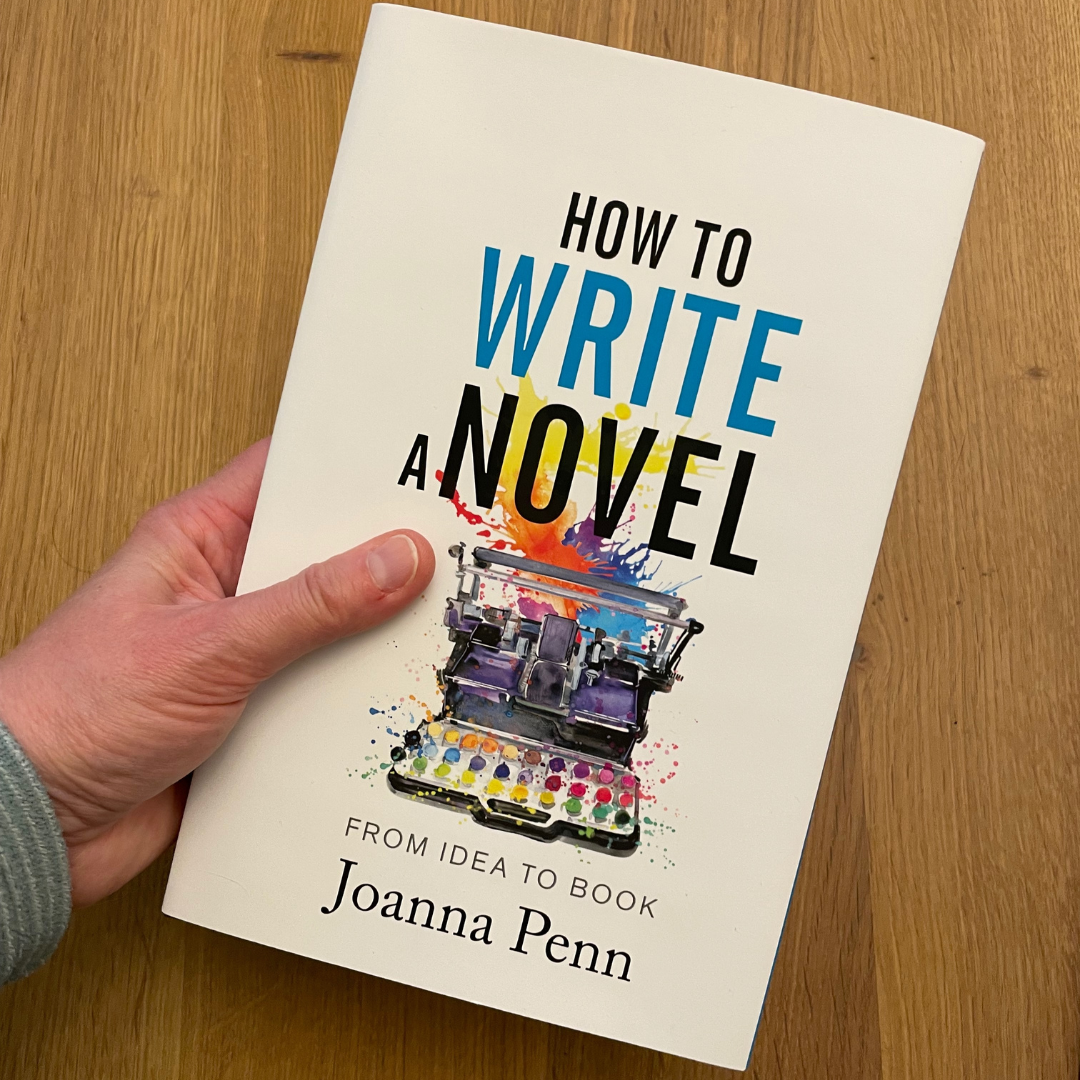
How to Write a Novel: Openings and endings
Your opening will determine whether the reader buys your book.
Your ending will determine whether they buy the next one, write a good review, tell their friends, and spread the word.
Openings
The goal of your opening is to keep the reader turning the pages. They need to feel like this is the story for them.
It must engage them immediately, but also give a clear indication of the genre, so the reader knows they want to commit their time and money to the experience. You also want to open questions in the reader’s mind so they want to read on.
My thriller One Day in New York opens as follows:
For all the hypervigilance of New Yorkers at the slightest possibility of terrorism, they embrace anything that could be construed as modern art. That’s why no one reported the man constructing a strong wooden cross on The High Line that afternoon, next to a section that overlooked the Hudson River to the west.
Later in the scene, an old woman is crucified on that cross by the Confessors, who seek the powerful relic of an angel. By the end of the scene, the reader is left wondering who the woman is, who the Confessors are, and why they want this relic so much. They also know this is a thriller with religious — and perhaps supernatural — elements. They know the setting is New York, and all those things make a particular type of reader want to continue the story.
The opening is even more important in an era of ebook sampling. I’m a voracious reader and usually read three to five books per week. I read fiction in bed every night and it’s how I spend a lot of my leisure time. A day spent reading is a day well spent!
I only read fiction in ebook format these days, and here’s how I shop.
I find out about a book somehow — through social media, or a podcast, or a recommendation, or browsing in a physical bookstore. It might also be through browsing categories on Amazon, or through a recommendation email from a promotional site.
If I like the look of the cover and title, I read the description.
If it sounds like my kind of thing, I download a sample. If you’re not an ebook reader, then a sample is a certain number of pages from the beginning of the book. The length of the sample is determined by the length of the book, so it might only be a few chapters.
If I already know that I like the author’s books, I might buy immediately, but 95 percent of the time, I download a sample. I have several hundred samples on my Kindle at any one time. If the book is not available on Kindle, I might add it to my Wishlist and revisit in a few months’ time to see if it’s out in ebook yet.
When I want to read a novel, I go through my samples and start reading one of them. If I’m not engaged in the first few pages, I delete the sample. If I read to the end, I buy the book and continue reading.
The same is true of a paperback reader who picks up a physical book in a store. They might read the back and a few pages and then decide whether to buy.
The same is also true of an agent or a publisher if you’re considering traditional publishing.
So the opening is important, but don’t worry, you don’t need to write the first chapter first. Come back to it later if you’re struggling.
Endings
If the ending of a story strikes the wrong note, the reader is left unsatisfied, even if they loved the rest of the story.
The ending must complete the reader’s experience and leave them with the sense that ‘yes, this is how it should have ended.’ Whatever the genre, you want your reader to give a sigh of happy satisfaction after a well-told story — especially if you want them to order your next book!
Genre readers have expectations of endings. If you promise a happy-ever-after, then you better provide one. If you’re writing an epic fantasy quest, your band of travelers better find whatever they seek by the end, even if some of them are lost along the way.
I love supernatural horror novels. I expect a high body count and some seriously evil characters and plenty of bad things happening. But I want good to (ultimately) triumph and vanquish evil. I want someone to slay the monster, and I want a glimmer of hope at the end.
If you like books like this, The Stand by Stephen King, Ararat by Christopher Golden, and The Deep by Michaelbrent Collings are perfect examples of a satisfying ending, at least in my opinion as a horror reader.
Some of the most memorable endings are bittersweet. No spoilers, but consider Me Before You by JoJo Moyes, The Notebook by Nicholas Sparks, or the movie Thelma and Louise. They each end perfectly for the story they tell.
Disappointing endings are often those that feel like they don’t ‘fit’.
Surprise can be good, but only if it also feels inevitable. While Stephen King is one of my favorite authors, I find the ending of Under the Dome problematic. It was a surprise — but for me, it didn’t fit.
Your ending must also tie up loose ends, close open loops, and answer questions for the reader. If you’re writing a series, then, of course, you can continue some story questions into the next book, but for the reader to feel satisfied, you need some level of closure at the end of each.
Questions:
• Examine the openings of the books you love. What makes them effective in keeping the reader turning the pages?
• What are some different openings for your book? Think of at least three options. Could the story open later in the plot? What would be the impact of opening in a different place?
• What endings do you remember as being ‘just right’? What can you learn from those ending?
• What endings jarred you as a reader? Why did you feel that way?
• Do you already know how your story will end? How can you make that ending as effective as possible?
Resources:
• Your First Page: First Pages and What They Tell Us about the Pages that Follow Them — Peter Selgin
• The First Five Pages: A Writer’s Guide to Staying Out of the Rejection Pile — Noah Lukeman
• The Last Fifty Pages: The Art and Craft of Unforgettable Endings — James Scott Bell