
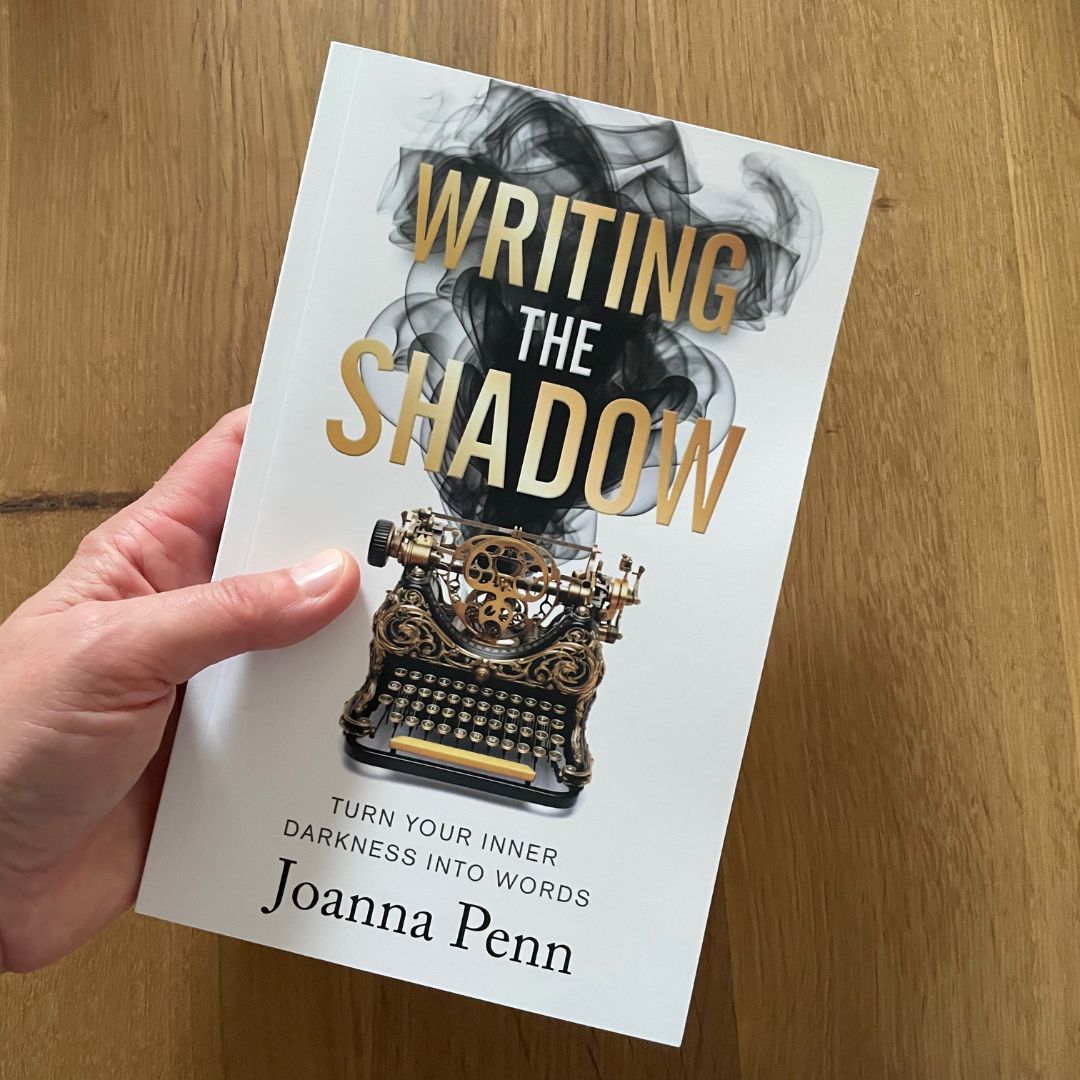
Writing the Shadow: Writing the Shadow into other genres
“Only those willing to risk going too far can find out how far they can go.”
—T.S. Eliot
While it might seem more obvious to write elements of Shadow into adult mainstream fiction, it can bring richness to other genres as well. Here are a few examples — if your genre is not covered, then consider how you might incorporate elements of Shadow there.
Children’s books and fairy tales
The world is scary, and children go through some terrible things. It’s not surprising that many of the best-loved children’s stories have elements of Shadow.
Hansel and Gretel in the witch’s cottage about to be eaten.
Snow White with the huntsman coming to cut out her heart and the wicked stepmother who sends her to sleep with a poisoned apple.
Peter Pan with its Shadow realm of pirates and dying fairies in a world where you never grow up.
The Little Mermaid, who trades her voice to the witch and walks in agony on land for love.
Willy Wonka’s chocolate factory, where there’s a sinister price for over-indulgence.
The darker side of these stories is the reason for their longevity.
One of my favourite books as a child was Where the Wild Things Are by Maurice Sendak. I wanted to join Max’s imaginary journey to the land of Wild Things and “Let the wild rumpus start!” But that kind of behaviour was not appropriate for this quiet, introverted child, so I experienced it vicariously through the story.
Then there are the memorable films of childhood. I was born in 1975 and those of my era are likely still scarred by Watership Down (1978) and Indiana Jones and the Temple of Doom (1984). Yes, they really did let us watch a full-on bunny massacre and a human sacrifice where a man’s heart is torn out of his chest!
“A children’s story that can only be enjoyed by children is not a good children’s story in the slightest.”
—C.S. Lewis
Memoir
The best memoirs have a clear character arc. Memoir teacher Marion Roach calls it the “transcendent change,” from discontent and despair, through trials and hard-won experience, to a final revelation when the individual can start a new chapter.
She explained in an interview on The Creative Penn Podcast, “We’re not reading your book because of what you did… We’re reading your book for what you did with it.”
Wild by Cheryl Strayed follows her journey along 1,100 miles of the Pacific Crest Trail from the Mojave Desert through California and Oregon to Washington State.
Cheryl’s life spiralled out of control following the death of her mother, a divorce, and a period of self-destructive behaviour, and she embarks on the trail with no hiking experience.
Along the way, she tests her limits, confronts her fears, and through the crucible of extreme physical hardship, faces her Shadow and emerges transformed.
At one point, she questions whether she should regret her past reckless behaviour, the drug use and the casual sex: “What if what made me do all those things everyone thought I shouldn’t have done was what also had got me here?”
This is a moment when the Shadow is brought into the light, where shame and regret dissipate and she can integrate her past into a reinvented self.
If only we could all do the same.
Wild is a great book and a perfect example of a clear character arc in memoir. It’s also a huge bestseller and resonates with readers because it’s so heartfelt and honest about facing darkness.
“You’ll need both sides of yourself — the beautiful and the beastly — to hold a reader’s attention.”
—Mary Karr, The Art of Memoir
Non-fiction
The world is full of boring non-fiction books on every topic.
Don’t write those!
Bring your full humanity to every book and consider where the Shadow might be in whatever you’re investigating.
The Big Short by Michael Lewis, which became a film of the same name, is about the 2008 global financial crisis and those who made a fortune out of betting against the US housing market. It illustrates the Shadow side of the American Dream — the greed, the hype, the desire for riches — and we cheer for its anti-heroes even as they make billions off those who refuse to see the crash coming.
Another example is The Immortal Life of Henrietta Lacks by Rebecca Skloot, which exposes scientific exploitation and racism lying beneath now hugely valuable cancer cell research.
Both of these books won multiple awards, spent weeks on the bestseller lists, and were made into award-winning films.
Questions:
• Consider your favourite books, films, and TV shows of whatever genre. Where can you find aspects of Shadow in the books that resonate deeply?
• How can you incorporate such elements in your books?
Resources:
• The Big Short: Inside the Doomsday Machine — Michael Lewis
• The Immortal Life of Henrietta Lacks — Rebecca Skloot
• Where the Wild Things Are — Maurice Sendak
• Wild: A Journey from Lost to Found — Cheryl Strayed
• Writing Your Transcendent Change: Memoir with Marion Roach Smith — www.TheCreativePenn.com/marion23
• Resources for Writing Memoir — www.TheCreativePenn.com/writing-memoir/