
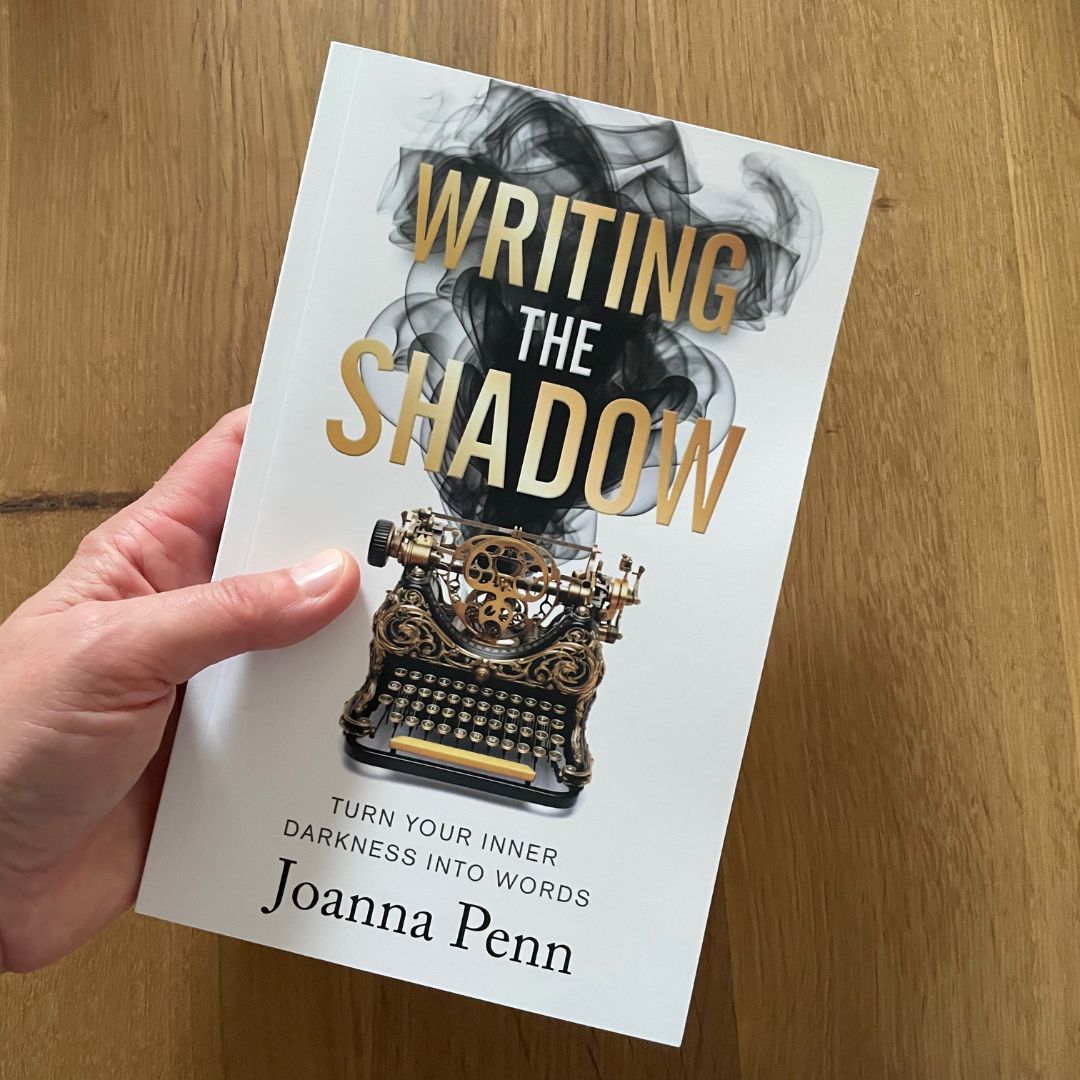
Writing the Shadow: The Shadow in traditional publishing
If becoming an author is your dream, then publishing a book is deeply entwined with that. But as Mark Pierce says in The Creative Wound, “We feel pain the most where it matters the most… Desire highlights whatever we consider to be truly significant.”
There is a lot of desire around publishing for those of us who love books!
It can give you:
• Validation that your writing is good enough
• Status and credibility
• Acceptance by an industry held in esteem
• The potential of financial reward and critical acclaim
• Support from a team of professionals who know how to make fantastic books
• A sense of belonging to an elite community
• Pride in achieving a long-held goal, resulting in a confidence boost and resulting self-esteem
Although not guaranteed, traditional publishing can give you all these things and more, but as with everything, there is a potential Shadow side.
Denying it risks the potential of being disillusioned, disappointed, and even damaged. But remember, forewarned is forearmed, as the saying goes. Preparation can help you avoid potential issues and help you feel less alone if you encounter them.
The myth of success… and the reality of experience
There is a pervasive myth of success in the traditional publishing industry, perpetuated by media reporting on brand name and breakout authors, those few outliers whose experience is almost impossible to replicate.
Because of such examples, many new traditionally published authors think that their first book will hit the top of the bestseller charts or win an award, as well as make them a million dollars — or at least a big chunk of cash. They will be able to leave their job, write in a beautiful house overlooking the ocean, and swan around the world attending conferences, while writing more bestselling books. It will be a charmed life.
But that is not the reality.
Perhaps it never was.
Even so, the life of a traditionally published author represents a mythic career with the truth hidden behind a veil of obscurity.
In April 2023, The Bookseller in the UK reported that “more than half of authors (54%) responding to a survey on their experiences of publishing their debut book have said the process negatively affected their mental health. Though views were mixed, just 22%… described a positive experience overall… Among the majority who said they had a negative experience of debut publication, anxiety, stress, depression and ‘lowered’ self-esteem were cited, with lack of support, guidance or clear and professional communication from their publisher among the factors that contributed.”
Many authors who have negative experiences around publishing will push them into the Shadow with denial or self-blame, preferring to keep the dream alive. They won’t talk about things in public as this may negatively affect their careers, but private discussions are often held in the corners of writing conferences or social media groups online.
Some of the issues are as follows:
Repeated rejection by agents and publishers may lead to the author thinking they are not good enough as a writer, which can lead to feeling unworthy as a person. If an author gets a deal, the amount of advance and the name and status of the publisher compared to others create a hierarchy that impacts self-esteem.
A deal for a book may be much lower than an author might have been expecting, with low or no advance, and the resulting experience with the publisher beneath expectations.
The launch process may be disappointing, and the book may appear without fanfare, with few sales and no bestseller chart position.
In The Bookseller report, one author described her launch day as
“a total wasteland… You have expectations about what publication day will be like, but in reality, nothing really happens.”
The book may receive negative reviews by critics or readers or more publicly on social media, which can make an author feel attacked.
The book might not sell as well as expected, and the author may feel like it’s their fault. Commercial success can sometimes feel tied to self-worth and an author can’t help but compare their sales to others, with resulting embarrassment or shame.
The communication from the publisher may be less than expected. One author in The Bookseller report said,
“I was shocked by the lack of clarity and shared information and the cynicism that underlies the superficial charm of this industry.”
There is often more of a focus on debut authors in publishing houses, so those who have been writing and publishing in the midlist for years can feel ignored and undervalued.
In The Bookseller report, 48 percent of authors reported “their publisher supported them for less than a year,” with one saying,
“I got no support and felt like a commodity, like the team had moved on completely to the next book.”
If an author is not successful enough, the next deal may be lower than the last, less effort is made with marketing, and they may be let go.
In The Bookseller report, “six authors—debut and otherwise—cited being dropped by their publisher, some with no explanation.”
Even if everything goes well and an author is considered successful by others, they may experience imposter syndrome, feeling like a fraud when speaking at conferences or doing book signings.
And the list goes on …
All these things can lead to feelings of shame, inadequacy, and embarrassment; loss of status in the eyes of peers; and a sense of failure if a publishing career is not successful enough.
The author feels like it’s their fault, like they weren’t good enough — although, of course, the reality is that the conditions were not right at the time. A failure of a book is not a failure of the person, but it can certainly feel like it!
When you acknowledge the Shadow, it loses its power
Despite all the potential negatives of traditional publishing, if you know what could happen, you can mitigate them. You can prepare yourself for various scenarios and protect yourself from potential fall-out.
It’s clear from The Bookseller report that too many authors have unrealistic expectations of the industry.
But publishers are businesses, not charities.
It’s not their job to make you feel good as an author. It’s their job to sell books and pay you. The best thing they can do is to continue to be a viable business so they can keep putting books on the shelves and keep paying authors, staff, and company shareholders.
When you license your creative work to a publisher, you’re giving up control of your intellectual property in exchange for money and status.
Bring your fears and issues out of the Shadow, acknowledge them, and deal with them early, so they do not get pushed down and re-emerge later in blame and bitterness.
Educate yourself on the business of publishing. Be clear on what you want to achieve with any deal. Empower yourself as an author, take responsibility for your career, and you will have a much better experience.
Questions:
• What dreams do you have — or did you have — around traditional publishing?
• What are the pros and cons of traditional publishing for you?
• Why do you value traditional publishing?
• What triggers you in this area? What do you get angry about, or deny exists, or criticise in other authors, or rant about in private?
• How do you feel when you compare your author career to others? How might those feelings reveal something about your Shadow?
• How can you make your publishing experience more empowering?
Resources:
• The Successful Author Mindset: A Handbook for Surviving the Writer’s Journey — Joanna Penn
• “Survey finds debut authors struggle with lack of support,” The Bookseller, 24 April 2023 — www.thebookseller.com/news/bookseller-survey-finds-debut-authors-struggle-with-lack-of-support
• Want a community of traditionally published authors? There are organisations in most countries. In the UK, check out The Society of Authors, and The Author’s Guild in the USA.