
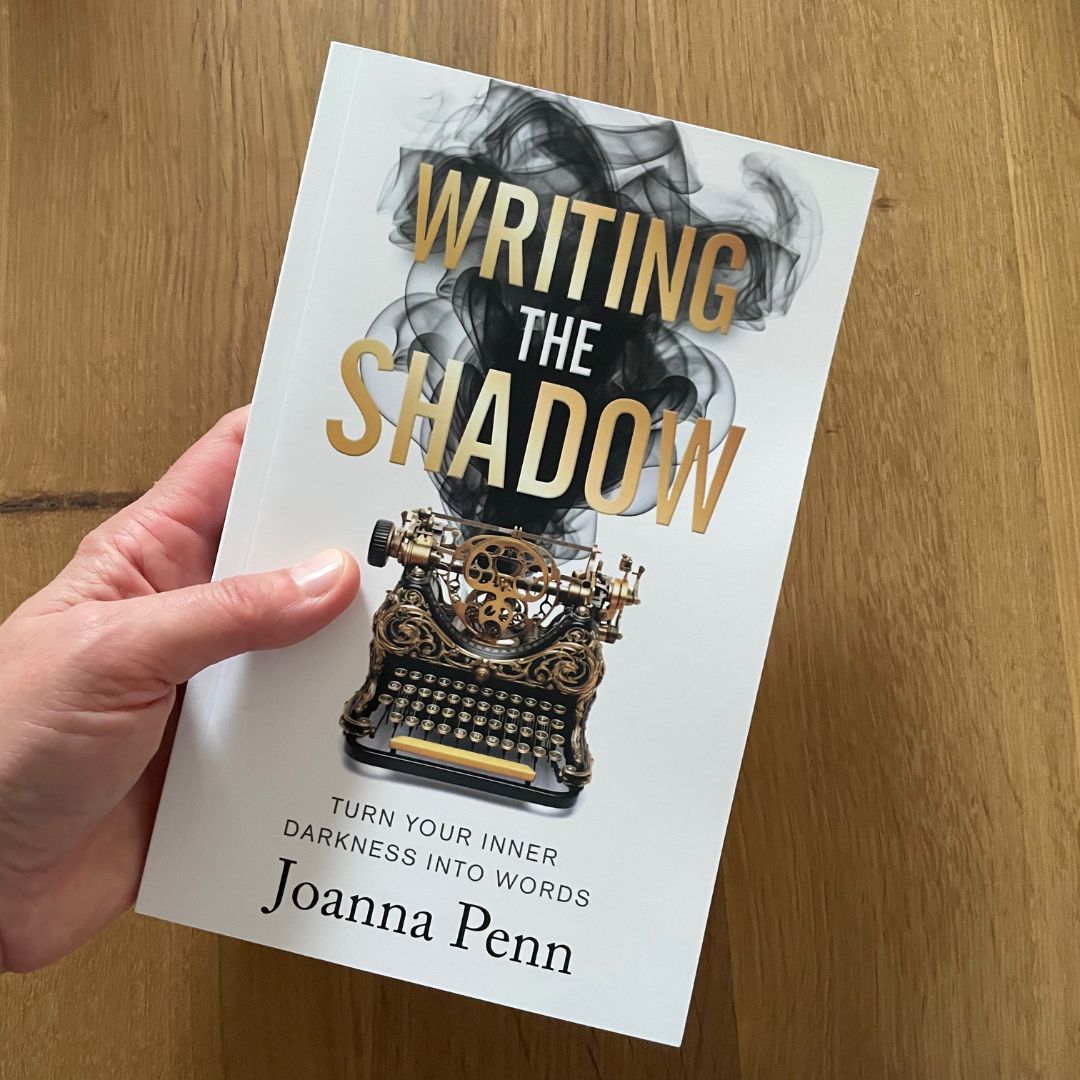
Writing the Shadow: Don’t get lost in the darkness: Protecting yourself and others
“The dose makes the poison.”
—Paracelsus
Exploring the Shadow is not without responsibility — for yourself and for others. It’s not about unleashing the darkness so it consumes you, those you love, and your readers.
Look after yourself
My goal with this book is to help you write from your heart without fear, to discover new facets deep within, and put your whole self on the page. It’s meant to be liberating.
But of course, things might come up that are difficult and you will need time to process them, so be careful and look after yourself.
You might find a daily practice of journaling, meditation, or walking useful to give your mind time to process.
If you feel overwhelmed, back off and give yourself space and time.
You don’t have to go through this entire book in one session, and you certainly can’t uncover and integrate your Shadow in one go. It’s the work of a lifetime.
Take breaks and dip in and out. Your brilliant mind will work on things in its own time.
Maybe you’ll dream more vividly. Maybe you’ll find yourself writing something completely different, or expressing yourself through another artistic medium altogether. Maybe you’ll feel like going for a long walk (or a really long walk as I did in Pilgrimage!). You can cry, be alone, whatever you need.
If you try something and it doesn’t ‘work,’ then consider other options.
If you feel things are getting too dark, please seek out a professional. There are many counsellors, psychologists, therapists, and medical professionals who can help, at whatever stage of the journey you’re on.
How do you know if you’re getting lost in the darkness?
Some people think that by dwelling on terrible things, we might make the experience worse. That if we revisit our hurt over and over again, we cement it further in our minds and increase our pain. That maybe we even cause ourselves more harm than good by writing about it, or invite bad things into our lives by turning it into reality with our words.
I think that you will know by the way you feel — and that will shift over time.
There may be areas of your Shadow that are easier to work with at different times of your life. You may not know yourself well enough to write about them now, or you might not be ready to write about something that still hurts. But you can always start with the small things.
I’m an intuitive binge writer. I don’t write every day. Sometimes I don’t write for months.
The urge to write builds up and up and up until the idea is ready to emerge. I know when it’s time to begin a book or finish one I’ve started, and if I haven’t reached that point, I won’t try.
Or I might try anyway and then swiftly realise that it’s not the right time for that project. I might not know why.
Sometimes it’s because I haven’t fully processed whatever is behind it.
Sometimes it’s because I’m not a good enough writer (yet) to put my chaotic thoughts into words.
This book is a good example.
I’ve been thinking about the Shadow since I first heard about it nearly thirty years ago, and I’ve considered writing a book about it for over a decade. But every time I approached it seriously as my next book to publish, I felt a push back, like when you hold two magnets near each other. The force is invisible, but it pushes them apart. I’ve written tens of thousands of words on the Shadow over the years and come close to finishing and publishing several times, but every time, I backed away.
Then my midlife travel memoir, Pilgrimage, unblocked a lot of issues for me and I felt ready to approach this Shadow book with new skills, having learned so much from the intimate experience of writing memoir.
There might be things you find in your Shadow that you feel an urge to write about now. Lean into that, for sure, but it might also take time. It might take decades, and that’s okay.
Pay attention to the level of emotion you experience and back away as you need to. Is the process hurting or helping? Only you can decide.
As the Renaissance physician Paracelsus said, “The dose makes the poison.” Something dangerous can be beneficial in small doses, but take too much, and you will lose yourself.
Protect others in your life
Delving into your Shadow is not an excuse to act in ways that may hurt others. In fact, doing this work will hopefully bring aspects of your behaviour into focus so you can change and avoid hurting other people.
It’s also not about assigning blame to people in your past. It’s about healing in the present and moving forward into the future.
In an interview on writing the Shadow, author Michaelbrent Collings talked about incorporating difficult subjects into his fiction and how you have to be careful about your motives: “It matters what you’re trying to accomplish. Are you trying to spread your pain to others? Well, that’s not a good thing. Let’s not do that. Are you trying to deal with your pain? That’s a fine thing.”
Write whatever you want in your private journals, but be responsible about publishing and consider the impact on others.
It may mean keeping silent until certain people are dead.
It may mean not publishing your work, or even mentioning that you have written something.
It may mean sharing your words with family members or others before publication to assess the impact and get permission.
Everything we write has consequences.
My personal rule is: Heal yourself. Don’t wreck other people. There’s a fine line and only you can walk it in terms of what you choose to publish.
Note: I am not a lawyer and this book does not contain legal advice. If you have specific concerns about something you intend to publish that others may construe as defamation, invasion of privacy, or misappropriation of the right of publicity, please consult a legal professional.
You can also find some details in the Self-Publisher’s Legal Handbook by Helen Sedwick.
Protect your readers
If you publish your words, protect your readers by making it abundantly clear what they can expect.
You shouldn’t need a trigger warning if it’s apparent what’s inside the book. You can do this with your book cover, your title, your genre or category in the bookstore, and your sales description. After publication, it will become even more clear in reader reviews.
If your book is dark and twisty, full of blood and violence, then give it a cover and a title that makes this clear.
If you write sweet, clean romance, then a chaste couple, a rounded font, and a clear category assignment helps.
The biggest problem comes if you mis-label a book and readers think they are getting one thing and then you shock them with something different. Yes, it’s good to subvert genre tropes and surprise your readers, but not in a way that damages them.
Questions:
• How can you look after yourself as you delve into Shadow?
• How will you know if you’re getting lost in the darkness? What are some of the signs?
• How can you protect others in your life?
• Where will you draw the line in terms of what you publish or share in public?
• How can you protect your readers?
Resources:
• How to Use Real People in Your Writing Without Getting Sued, Helen Sedwick — www.helensedwick.com/how-to-use-real-people-in-your-writing/
• Pilgrimage: Lessons Learned from Solo Walking Three Ancient Ways — J.F. Penn
• Self-Publisher’s Legal Handbook: Updated Guide to Protecting Your Rights and Wallet — Helen Sedwick
• Writing From Your Shadow Side with Michaelbrent Collings — www.TheCreativePenn.com/michaelbrentshadow