
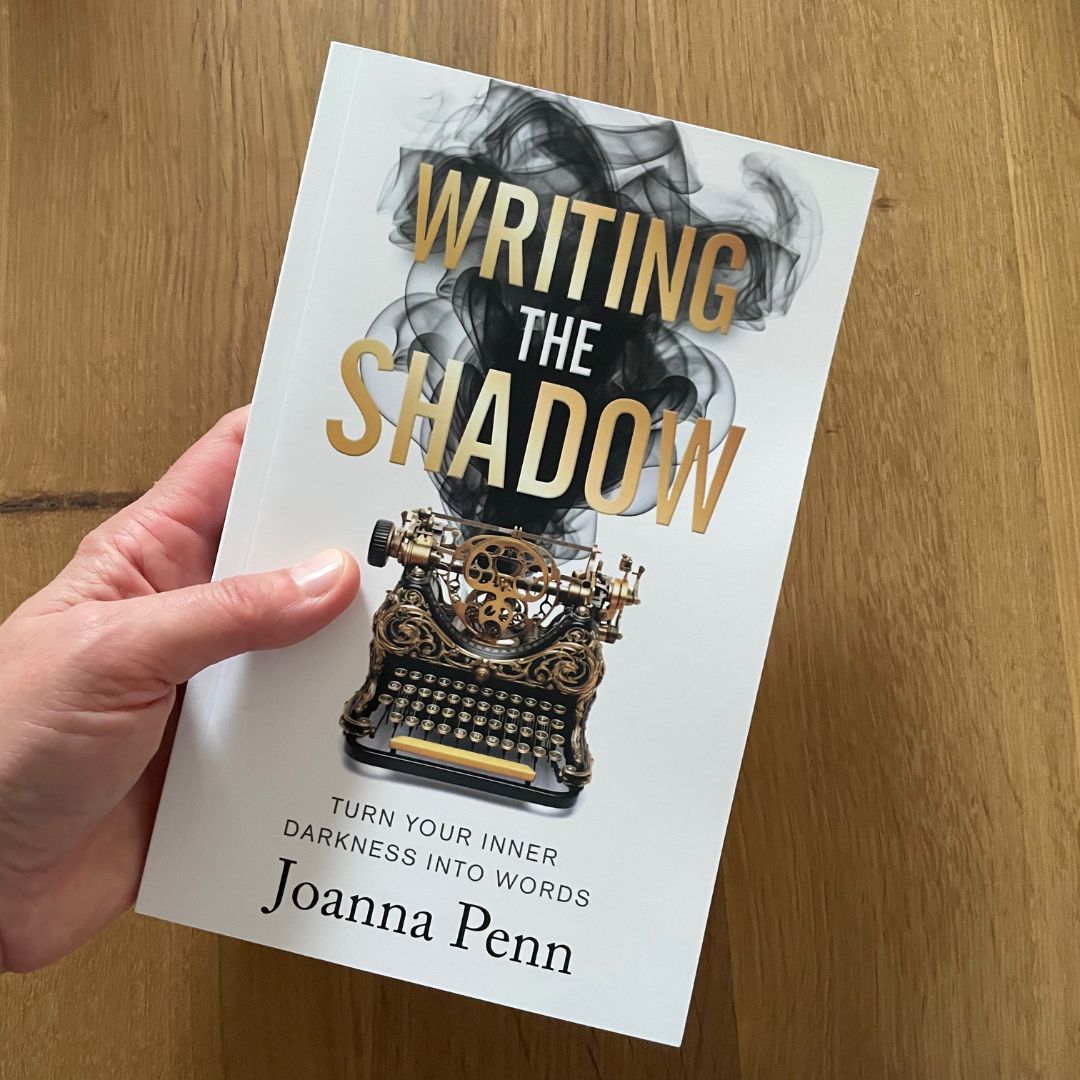
Writing the Shadow: The Shadow in self-publishing or being an indie author
Self-publishing, or being an independent (indie) author, can be a fantastic, pro-active choice for getting your book into the world. Holding your first book in your hand and saying “I made this” is pretty exciting, and even after more than forty books, I still get excited about seeing ideas in my head turn into a physical product in the world.
Self-publishing can give an author:
• Creative control over what to write, editorial and cover design choices, when and how often to publish, and how to market
• Empowerment over your author career and the ability to make choices that impact success without asking for permission
• Ownership and control of intellectual property assets, resulting in increased opportunity around licensing and new markets
• Independence and the potential for recurring income for the long term
• Autonomy and flexibility around timelines, publishing options, and the ability to easily pivot into new genres and business models
• Validation based on positive reader reviews and money earned
• Personal growth and learning through the acquisition of new skills, resulting in a boost in confidence and self-esteem
• A sense of belonging to an active and vibrant community of indie authors around the world
Being an indie author can give you all this and more, but once again, there is a Shadow side and preparation can help you navigate potential issues.
The myth of success… and the reality of experience
As with traditional publishing, the indie author world has perpetuated a myth of success in the example of the breakout indie author like E.L. James with Fifty Shades of Grey, Hugh Howey with Wool, or Andy Weir with The Martian.
The emphasis on financial success is also fuelled online by authors who share screenshots showing six-figure months or seven-figure years, without sharing marketing costs and other outgoings, or the amount of time spent on the business.
Yes, these can inspire some, but it can also make others feel inadequate and potentially lead to bad choices about how to publish and market based on comparison.
The indie author world is full of just as much ego and a desire for status and money as traditional publishing.
This is not a surprise!
Most authors, regardless of publishing choices, are a mix of massive ego and chronic self-doubt. We are human, so the same issues will re-occur. A different publishing method doesn’t cure all ills.
Some of the issues are as follows:
You learn everything you need to know about writing and editing, only to find that you need to learn a whole new set of skills in order to self-publish and market your book. This can take a lot of time and effort you did not expect, and things change all the time so you have to keep learning.
Being in control of every aspect of the publishing process, from writing to cover design to marketing, can be overwhelming, leading to indecision, perfectionism, stress, and even burnout as you try to do all the things.
You try to find people to help, but building your team is a challenge, and working with others has its own difficulties.
People say negative things about self-publishing that may arouse feelings of embarrassment or shame. These might be little niggles, but they needle you, nonetheless. You wonder whether you made the right choice.
You struggle with self-doubt and if you go to an event with traditional published authors, you compare yourself to them and feel like an imposter.
Are you good enough to be an author if a traditional publisher hasn’t chosen you?
Is it just vanity to self-publish?
Are your books unworthy?
Even though you worked with a professional editor, you still get one-star reviews and you hate criticism from readers. You wonder whether you’re wasting your time.
You might be ripped off by an author services company who promise the world, only to leave you with a pile of printed books in your garage and no way to sell them.
When you finally publish your book, it languishes at the bottom of the charts while other authors hit the top of the list over and over, raking in the cash while you are left out of pocket.
You don’t admit to over-spending on marketing as it makes you ashamed.
You resist book marketing and make critical comments about writers who embrace it. You believe that quality rises to the top and if a book is good enough, people will buy it anyway. This can lead to disappointment and disillusionment when you launch your book and it doesn’t sell many copies because nobody knows about it.
You try to do what everyone advises, but you still can’t make decent money as an author.
You’re jealous of other authors’ success and put it down to them ‘selling out’ or writing things you can’t or ‘using AI’ or ‘using a ghostwriter’ or having a specific business model you consider impossible to replicate.
And the list goes on…
When you acknowledge the Shadow, it loses its power
Being in control of your books and your author career is a double-edged sword.
Traditionally published authors can criticise their publishers or agents or the marketing team or the bookstores or the media, but indie authors have to take responsibility for it all.
Sure, we can blame ‘the algorithms’ or social media platforms, or criticise other authors for having more experience or more money to invest in marketing, or attribute their success to writing in a more popular genre — but we also know there are always people who do well regardless of the challenges.
Once more, we’re back to acknowledging and integrating the Shadow side of our choices. We are flawed humans. There will always be good times and bad, and difficulties to offset the high points. This too shall pass, as the old saying goes.
I know that being an indie author has plenty of Shadow. I’ve been doing this since 2008 and despite the hard times, I’m still here.
I’m still writing. I’m still publishing.
This life is not for everyone, but it’s my choice. You must make yours.
Questions:
• What dreams do you have — or did you have — around self-publishing or being an indie author?
• What are the pros and cons of self-publishing for you?
• Why do you value self-publishing?
• What triggers you in this area? What do you get angry about, or deny exists, or criticise in other authors, or rant about in private?
• How do you feel when you compare your author career to others? How might those feelings reveal something about your Shadow?
• How can you make your experience more empowering?
Resources:
• Successful Self-Publishing: How to Self-Publish and Market Your Book — Joanna Penn
• The Successful Author Mindset: A Handbook for Surviving the Writer’s Journey — Joanna Penn
• Want a community of indie authors? Check out the Alliance of Independent Authors — www.TheCreativePenn.com/alliance