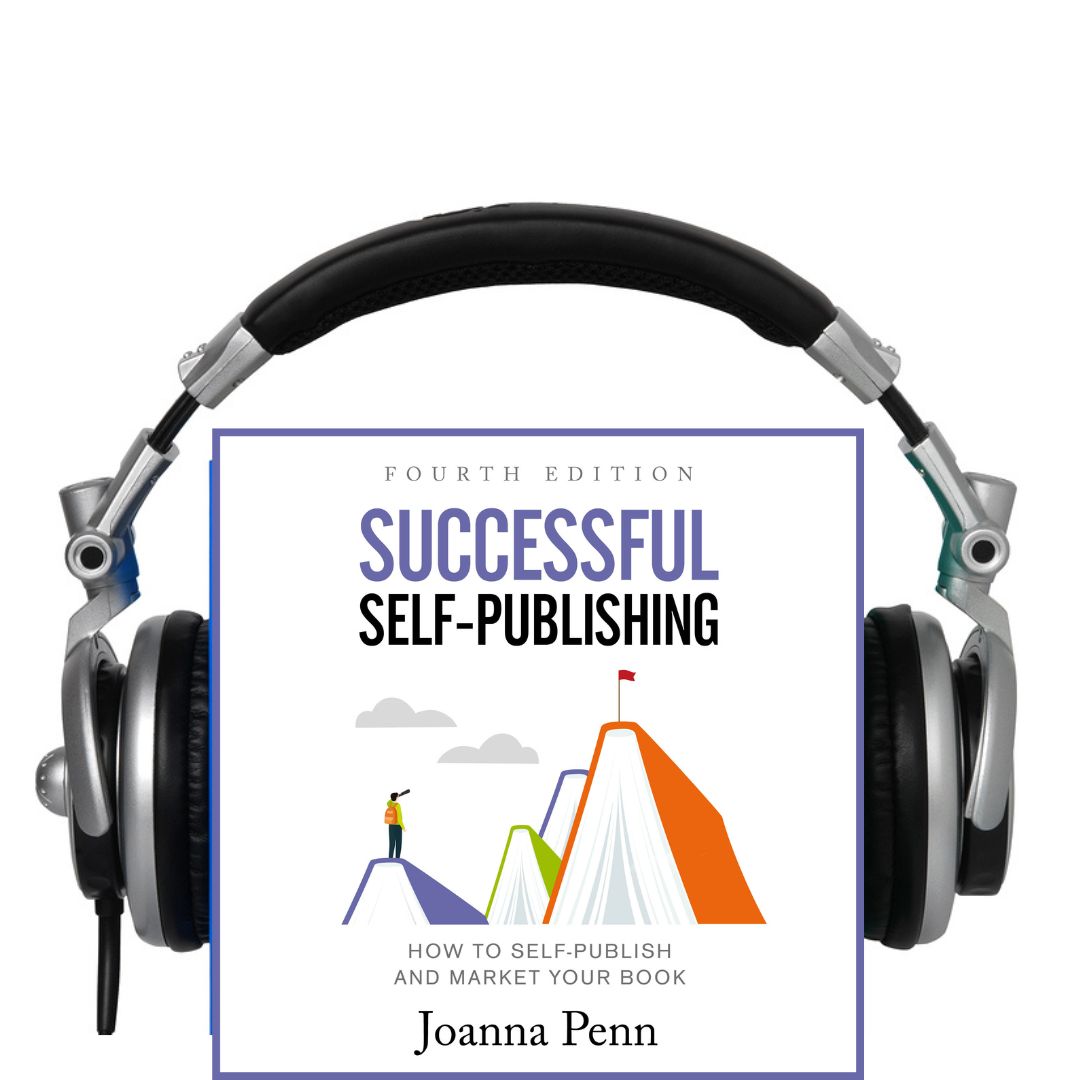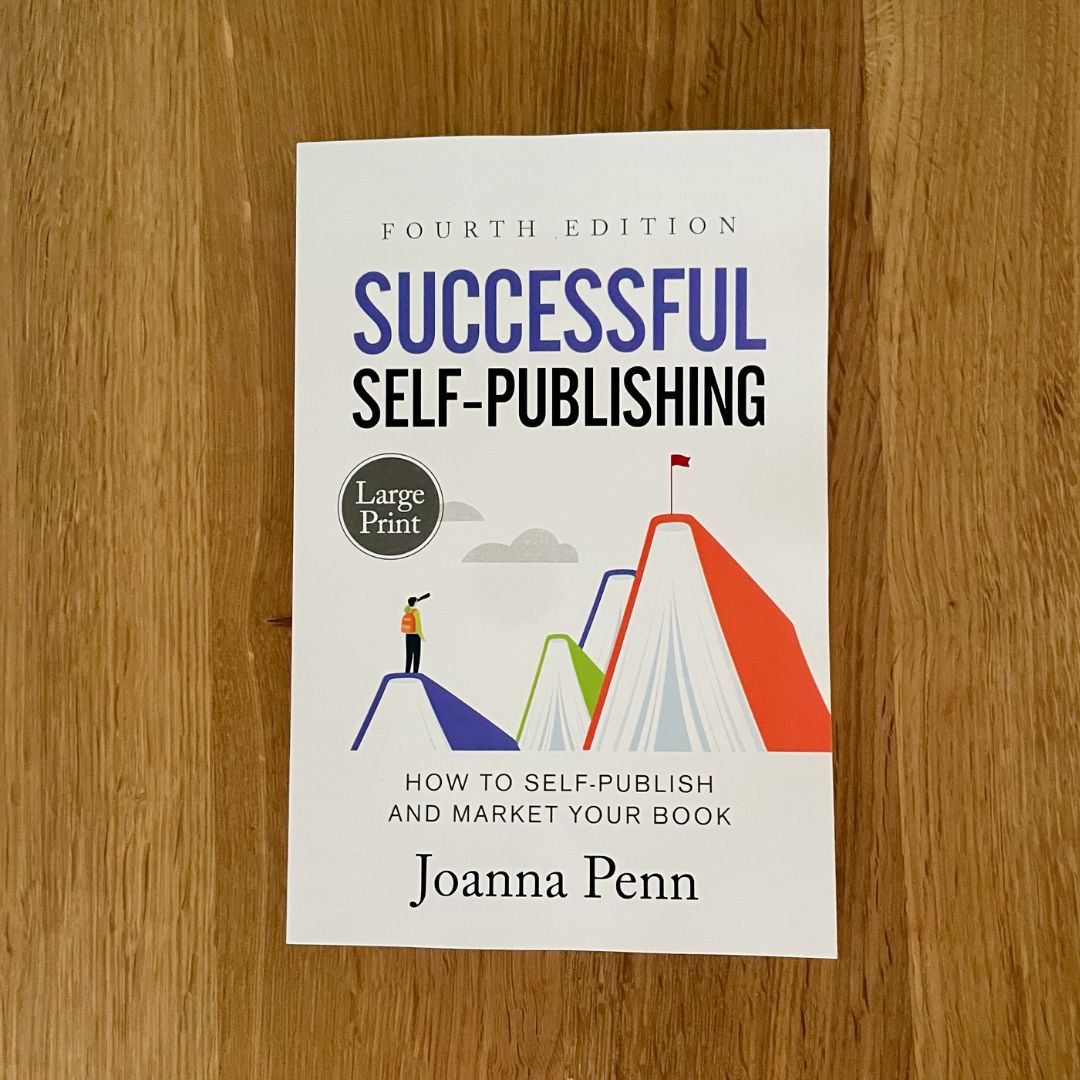
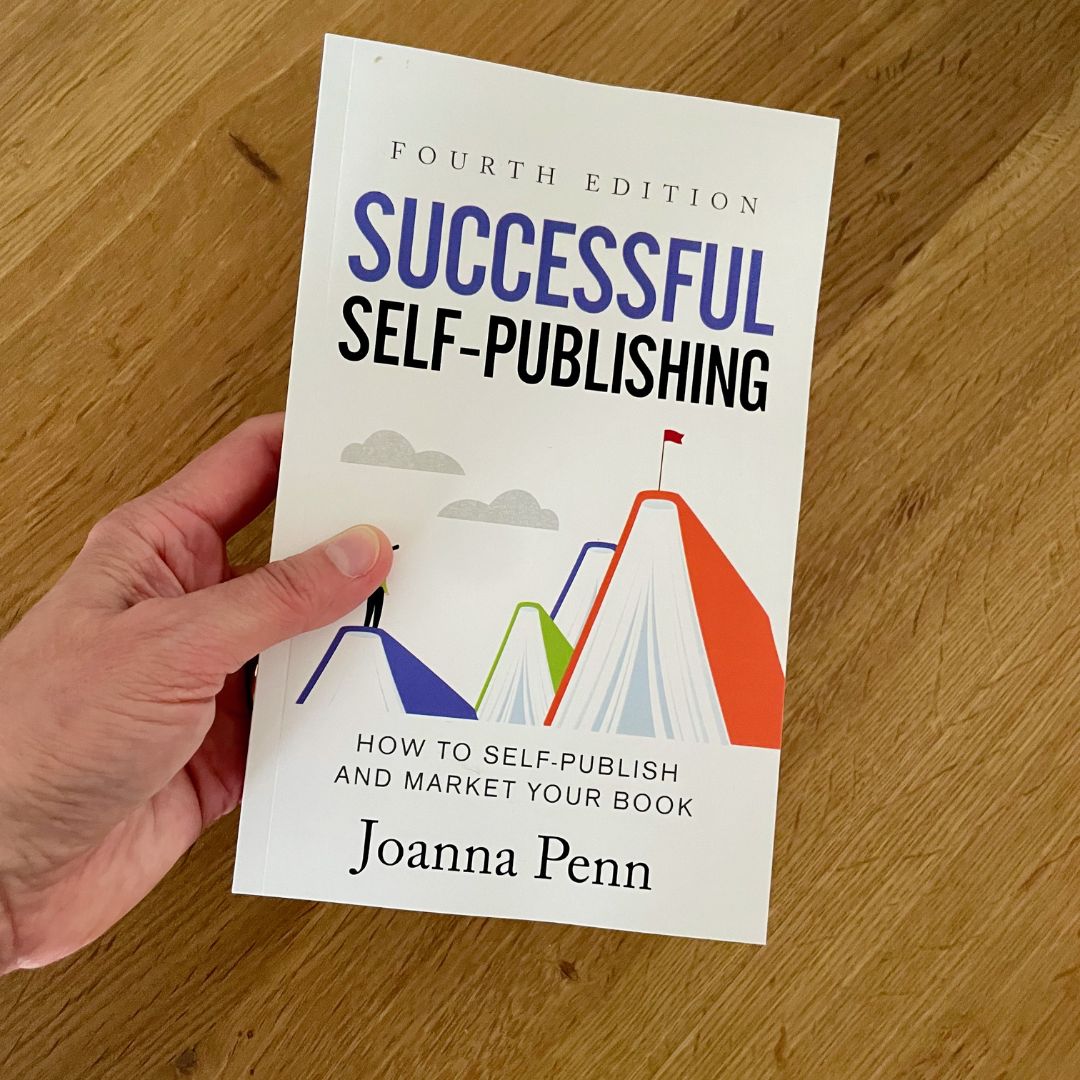
Successful Self-Publishing: Sales description, categories, and keywords
Before you publish, you need to prepare your metadata, which is the information that the book sales sites use to categorize your book and help readers find it. This is a crucial part of your book’s discoverability and marketing, so it’s worth taking the time to get it right.
Write your sales description
It’s hard to write a book, but sometimes it’s harder to distill it into a tag line and a couple of catchy paragraphs for the sales description and back cover copy. But it has to be done!
Think about your own behavior as a reader. You see the title, check out the cover and then you read the description. You make a purchasing decision based on those few short lines. Your description is therefore crucial, as it can make the difference between someone downloading a sample, buying your book, or just ignoring it.
Again, you don’t need to panic, as one of the great things about being an indie author is the ability to change things, so you can update your sales description over time.
How to write an effective book description
While you can hire people to do this for you, it’s a good idea to do it for yourself. You know your book, so you are the best person to sell it. But don’t worry, it’s not as hard as it used to be with the tools available.
Go to the bestseller lists for books like yours and read the sales descriptions so you get an idea of the kind of thing you need to write. They all have a formula that varies with their genre.
For fiction, the sales copy typically includes a dramatic description of the plot (for example, “a heart-stopping thriller”), aspects of the key character and often their name, a hook to draw readers in, and a possible reference to other books (“Perfect for fans of…”).
For non-fiction, the sales copy will identify the reader’s problem, promise a solution, establish the authority of the author, and often include a table of contents, or key things the reader will discover. There might also be review quotes from other authors or media.
You can have a go at writing this yourself, or you can ask an AI assistant like ChatGPT or Claude to help you write it or help you refine your draft. They can craft compelling book descriptions that follow genre conventions while highlighting what makes your book unique. You can find more detail in chapter 4.2.
Formatting your description
You will need to copy and paste your book description into the self-publishing platforms using plain text or formatted HTML.
I use a free formatting tool from Kindlepreneur, which enables me to display the headline at a different font size and use italics, spacing, and bullet points. This makes your description much more attractive and readable on store pages.
You can find it at:
TheCreativePenn.com/rocketdescription
Decide on your categories
The publishing platforms also use categories and keywords to help surface your book to the right readers. Here again, being indie is an advantage, as we can change these fields over time and react to shifts in the market.
Categories are used on all platforms for all formats. Depending on the platform, these might be BISAC subject codes (developed by an industry group and used by publishers, retailers, and libraries), or a more generalized list of categories.
The aim is to choose categories granular enough that your book will stand out, but not so deep down in the hierarchy that no one ever shops there.
For example, there’s absolutely no point in putting your novel in Fiction/General. You need to be more specific.
Readers tend to shop in sub-categories, so research where authors or books similar to yours are categorized.
My thriller Stone of Fire sits under the Amazon categories Action Adventure, Conspiracy Thriller, and Supernatural Thrillers.
The book you are reading right now sits with other books for authors under Reference › Writing, Research & Publishing Guides › Publishing & Books, then in sub-categories Authorship as well as Writing Skills and Business Aspects.
Decide on your keywords
Keywords, or keyword phrases, are a separate metadata field on the publishing platforms, and you can usually select up to seven.
Think of keywords not just as single terms but as phrases that readers type into the search bar when looking for books. For example, ‘second chance romance small town secret baby’ would go in one keyword field.
For non-fiction, keywords can be included in the title or subtitle as well. My first book was originally called How to Love Your Job or Find a New One.
After discovering the power of keywords, I changed the title to Career Change, and the book sold more since people were actually searching for ‘career change,’ whereas they weren’t searching for the original title.
Tools for categories and keywords
While you can work out categories and keywords by manually searching on the stores, there are two main tools that indie authors rely on.
Publisher Rocket helps with analyzing categories and keywords for specific Amazon country stores, formats, and languages. You can see what keywords are competitive, and even discover which terms a successful title uses.
The tool shows exact search volume data for Amazon keywords, competitive scores, and how much money the top books are making with those terms. This helps you identify high-opportunity, low-competition keywords. You can also use Publisher Rocket to generate lists of keywords for Amazon Advertising.
You can find it at:
www.TheCreativePenn.com/rocket
K-lytics provides genre-specific reports with categories, keywords, cover elements and data-driven insights. Their reports include detailed analysis of market size, competition level, and popular tropes in specific genres, as well as identifying emerging niches and sub-genres with growth potential. Their data on pricing trends and optimal price points is also helpful.
You can find the reports at:
www.TheCreativePenn.com/genre
Update your metadata over time
Set a quarterly reminder to review your categories and keywords, and even your sales description, especially if you’ve published a new book in a series, you’ve noticed a change in sales or page reads, your genre has new trending topics, or you’re planning a new marketing campaign.
Try swapping out less effective keywords for new ones and track the results. This ongoing optimization is something traditional publishers rarely have the bandwidth to do, giving indies an advantage.
Resources:
• Kindlepreneur description formatting — www.TheCreativePenn.com/rocketdescription
• Publisher Rocket — www.TheCreativePenn.com/rocket
• K-lytics genre reports — www.TheCreativePenn.com/genre