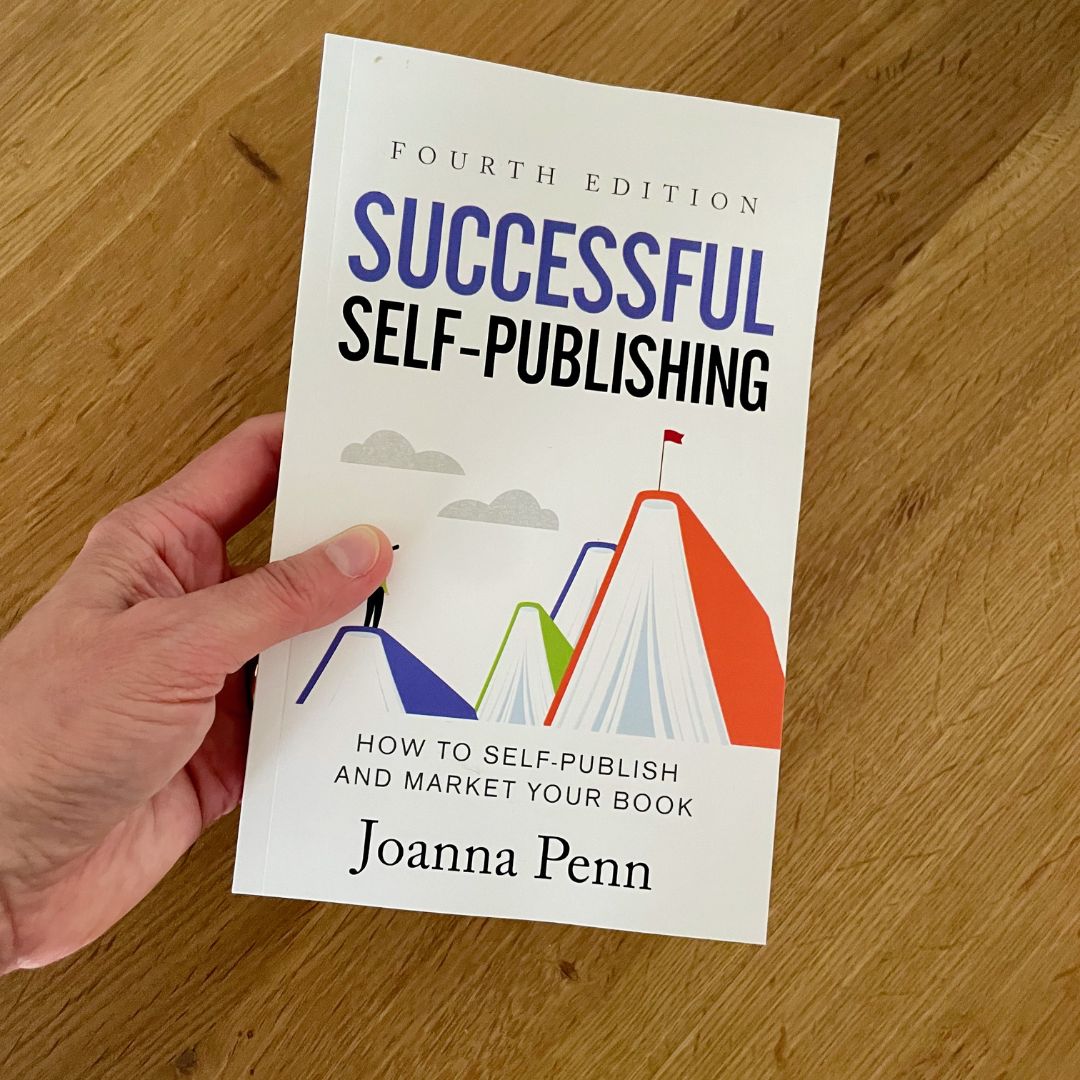
Successful Self-Publishing: How much does it cost to self-publish?
Publishing your book on the main platforms like Amazon KDP is generally free. They take a percentage of the sale, so they earn as you earn.
The main costs are in book production and marketing, and the more you involve other people, the more it will cost.
You can minimize costs by using tools and software, as well as learning how to do specific tasks yourself, or mix and match depending on your requirements.
Your purpose shapes your budget
Go back to your definition of success from chapter 1.1.
If publishing your book is a lifetime goal, and you want it to be the best it can be, then even a small budget can help you create something truly special.
If writing is your hobby and you don’t expect to make money with your book, then consider how much people spend on hobbies in general. Any hobby has expenses. Some people drop thousands on golf clubs or camera equipment, so spending some money on your book isn’t unreasonable.
If you want to run a business as an indie author, then your costs are an investment in creating an intellectual property asset that can make money for you into the future.
Of course, your budget will also determine how much you can spend, but the important thing is to do your research and due diligence when it comes to author service companies and freelancers. There are lots of fantastic companies and also lots of sharks.
What are the main costs of self-publishing?
Editing:
A professional editor can help improve your book in many ways. The cost will depend on the kind of edit you want, the level of your writing, how long the book is, how much editing it needs, and the editor you choose. Expect to pay anywhere from $500 to $3,000 for a full manuscript.
For more help and links to recommended editors, visit:
www.TheCreativePenn.com/editors
You can also use ProWritingAid software for parts of the editing process:
www.TheCreativePenn.com/prowritingaid
Book cover design:
Your book cover is your single biggest sales tool, so professional design is money well spent.
There are lots of options for free book covers through services like Canva and AI tools. A quality premade cover design will be US$30–$60, while fully bespoke covers are usually between US$100 and $600. Costs rise for custom illustration or multiple format variants.
For more help and links to designers, visit:
www.TheCreativePenn.com/bookcoverdesign
Formatting:
Many authors do their own ebook and print book formatting with tools like Vellum or Atticus. You own the software after a one-time charge, so your cost per book gets cheaper the more books you create.
Hiring a professional formatter is around US$50 for ebook-only and can be up to US$500 for a complex print interior.
For formatting options and tutorials, visit:
www.TheCreativePenn.com/formatting
ISBNs:
ISBN cost varies by country. It’s free for Canadians, reasonably cheap for authors in the UK if you buy in bulk, and more expensive for Americans.
Many of the publishing services offer free ISBNs, and you don’t need them at all for ebooks and audiobooks if you don’t want to use them.
Print proofs:
If you’re self-publishing a print book, then order a proof to check the layout. It will be US$10–$20 depending on the size.
Audiobook costs:
These will vary depending on whether you’re hiring a human narrator, self-narrating, or using AI software, as covered in chapter 2.8.
Distribution and platform fees:
Publishing your book is free on most of the ebook retailers, audiobook services, aggregators, and also for print on KDP Print. The services usually take a percentage of the sale of each book. There are minor setup costs for IngramSpark if you want to publish print books wide, and if you sell direct, BookFunnel has an annual cost.
Marketing costs:
Once your book is published, you need to decide how to tell readers about it. With millions of books published per year, you can’t just upload your book and expect it to sell.
I cover lots of marketing ideas in Part 3, and while many of them are free, some of them are paid. You get to choose what you want to do, but you can certainly market your book on a budget.
Self-publishing services:
If you manage tasks yourself, and use software and tools as much as possible, you can keep costs down.
If you want help to publish, you can pay for expert freelancers. Make sure you use vetted author marketplaces like Reedsy or the Alliance of Independent Authors Partner Member list.
If you want to work with an author services company to handle everything, costs can vary considerably depending on the package, so be careful what you sign up for. Choose a company approved by the Alliance of Independent Authors, and check for scams at WriterBeware.blog.
* * *
Self-publishing can certainly be free or cheap, but most successful indie authors invest in editing, cover design, useful software, and marketing activities. You don’t have to spend on everything at once. Just take it step by step and research what you need along the way.
You can also change things later. Start with what you can afford, focus on creating the best book possible, and reinvest your earnings to grow your author business over time.
Resources:
• List of editors — www.TheCreativePenn.com/editors
• List of book cover designers — www.TheCreativePenn.com/bookcoverdesign
• ProWritingAid for editing — www.TheCreativePenn.com/prowritingaid
• Formatting options — www.TheCreativePenn.com/formatting
• Reedsy marketplace for vetted freelancers — www.TheCreativePenn.com/reedsy
• Alliance of Independent Authors (ALLi) — www.TheCreativePenn.com/alliance
• Free self-publishing advice blog and podcast by the Alliance of Independent Authors — SelfPublishingAdvice.org
• Best self-publishing services (ALLi) — selfpublishingadvice.org/best-self-publishing-services
• Writer Beware for scams and rip-off services — www.writerbeware.blog