How to Make a Living With Your Writing: Write books that people want to buy
In the last chapter, we considered how to write more books, but there’s no point in writing so many if no one wants to buy them.
Most of us start out by writing the book of our hearts, the book we are truly driven to write. It’s important for your creative integrity and I certainly did that with my first non-fiction book and many of my novels.
But if you want to make a living with your writing, you also have to consider what people might want to buy. You need to change your mindset: writing is about you, but the book is about the reader.
The ideal approach is to find the intersection of what you love to read and write and what readers are looking for. Here are some ways to figure out where the intersection might be for you.
Consider genre or category
You need to know what genre or category your book fits in however you choose to publish, so it’s worth doing your research early in the process.
Find at least ten comparison books and/or authors, often referred to as ‘comps,’ and check which categories they’re in on Amazon, or whichever store you prefer to shop on. Find the book and scroll down to check the categories.
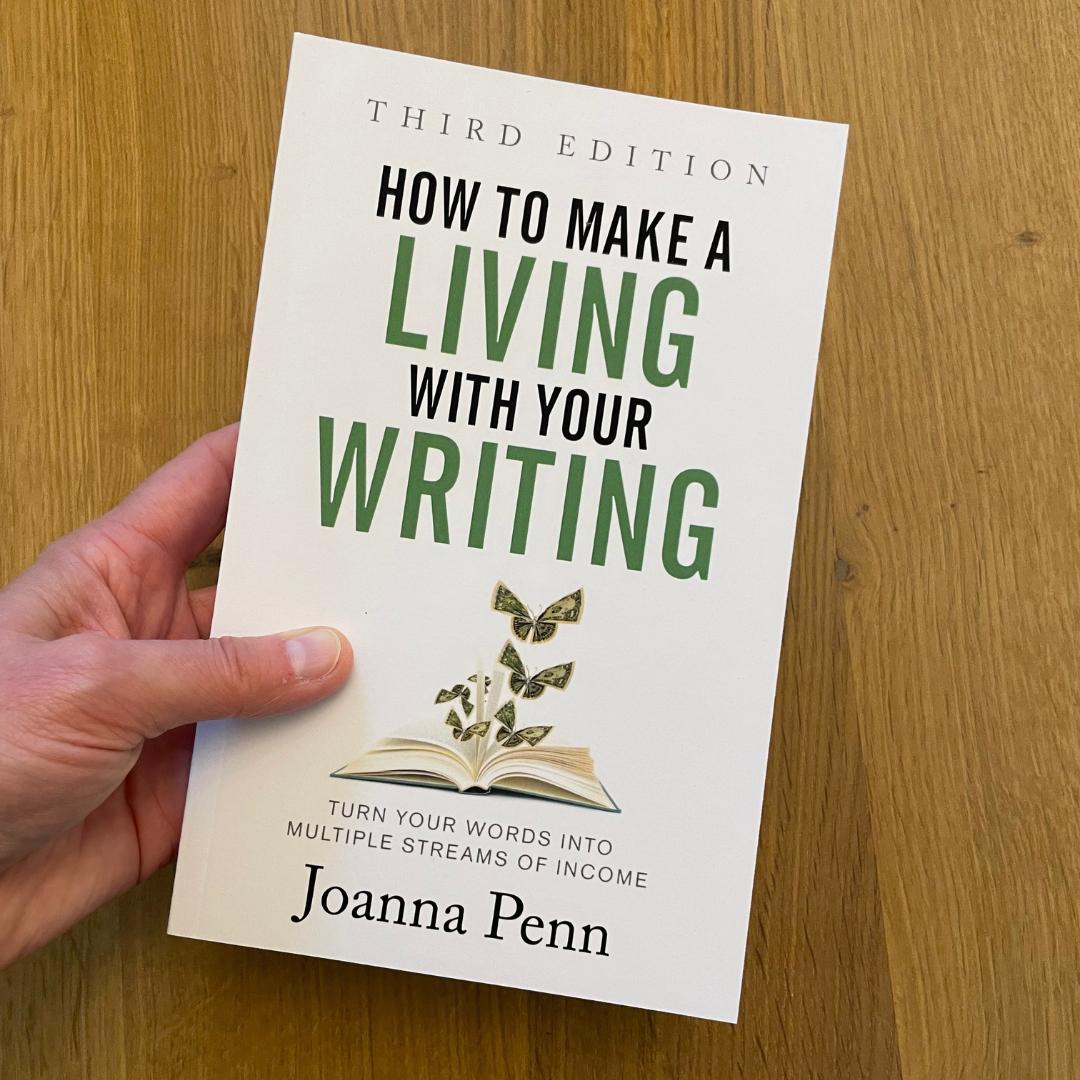
This is usually obvious for non-fiction as categories relate to topics, for example, this book sits within Authorship as well as Writing Reference, and Small Business.
Fiction can be more complicated, as the book may span multiple genres, for example, my ARKANE thrillers encompass Action Adventure, Conspiracy Thriller, and Supernatural Thriller.
Check the rankings of the top books per sub-category to see what kind of book does well. Examine the covers and titles, as well as the sales description. What are the reader expectations for these types of books? What do the top-selling books have in common? How does your book fit alongside them?
You can use a tool like Publisher Rocket to discover the categories that books are in as well as research other options to target. Find it at TheCreativePenn.com/rocket
For more help with genre and categories, check out the reports from K-lytics at TheCreativePenn.com/genre
Consider search terms
People want a book for entertainment, information or inspiration. If a reader knows your name, they may search for your book directly, but it’s more likely to be discovered by new readers if it answers someone’s question, helps them to solve a problem, or fits their favorite genre or search criteria.
Readers browse their favorite category for books, but they also use the search bar to find what they want. They type in keyword phrases into Amazon, Google, or their favorite bookstore and see what comes up.
Amazon is a search engine for people who are actively ready to buy, so you definitely want your book to come up in relevant searches. This is why my non-fiction books have very obvious titles, but I learned the hard way!
Back in 2008, I published my first book, How to Enjoy Your Job or Find a New One. I knew nothing about search engine optimization (SEO) at the time.
In 2012, I rewrote the book and re-titled it as Career Change based on a keyword phrase with ten times the number of monthly searches. The book usually ranks on the first page of Amazon for the search term ‘career change,’ so people find it even though I don't do any specific marketing for that book and it doesn’t relate to my other non-fiction titles.
Keywords are also important for fiction, for example, ‘werewolf shifter romance,’ or ‘cozy British village mysteries.’ Readers are pretty specific in their interests, and researching keywords might give you some more ideas for other books to write.
I use Publisher Rocket to research keywords. There’s a free tutorial at TheCreativePenn.com/rocketkeywords
Ask your readers
Romance author Jessie Clever says, “I make a living salary from just book sales. I was able to do this because I targeted exactly what the readers in my genre want and then I wrote it. It sounds like it shouldn’t be that simple, but it is. I’ve been self-publishing for seven years, and when I pivoted my business to truly focus on what the reader wanted, my sales took off.”
While writing to market is an effective approach, you also need to write what you love or it won’t be sustainable for the long term.
Jessie Clever continues, “I love writing romance novels. There is no other story that allows me to play with the full wheel of emotions like a love story. Every book I write pulls at every emotion, pushes at every boundary, and always ends up being my new favorite book.”
Readers will know if you don’t truly love the genre you write and it won’t be fun for you either. There are easier ways to make money than writing books, so make sure it’s a fun living, not just an income!
Romance author Sadie King says, “Give your readers what they want! I think of myself as an entertainer and my purpose is to provide a short escape from everyday life, which has been especially true in the last twelve months due to the pandemic. I survey my email list to ask what they want me to write about, and if my readers want to read about firemen and curvy women, (which is what they wanted in my last survey) then that’s what I’ll give them!
Oh, and have fun. Writing should be fun — painful at times — but mostly fun.”
The best approach is to consider what you love to read and what you want to write and then research how to position that in a genre or category so you can reach those readers. How can you write at the intersection of what people love to read and what you love to write?
Questions:
• How can you make sure that there is an audience for your book?
• Who are your ‘comp’ authors and/or specific books?
• What are the reader expectations for these types of books?
• What do the top-selling books have in common? How does your book fit alongside them?
• What sub-categories are they in?
• What keywords might be relevant?
• How could you combine writing what you love with writing what people want to buy?
Resources:
• Publisher Rocket for keywords and categories — www.TheCreativePenn.com/rocket
• Free tutorial on researching keywords — TheCreativePenn.com/rocketkeywords
• Genre and category research reports at K-lytics — TheCreativePenn.com/genre
• Write To Market: Deliver a Book That Sells — Chris Fox