
How to Write Non-Fiction: Business models
“It often takes longer than you think to turn an idea into a money-making business.”
—Elaine Pofeldt, The Million Dollar, One-Person Business
Many non-fiction authors have creative or income goals that go beyond book sales alone, so it’s worth considering aspects of business during the writing process so you can incorporate them into the finished product.
While you’re writing your book, you should absolutely focus on the craft and your creative goals, but once the book is out in the world, consider it an employee of sorts, a valued worker in your business that can bring you multiple streams of income.
Here are the most common business models for non-fiction authors.
(1) Book sales and selective rights licensing
You can make a full-time income from book sales alone, but you either need a break-out success, which is hard to engineer, or you need multiple books in a niche and an audience ready to buy them.
Books are a low-priced product, so you — or your publisher — have to sell a high volume to make decent money.
If you want to follow the traditional publishing route, then revisit your book proposal from chapter 1.10 and pitch agents and publishers.
Writer and publishing industry veteran Jane Friedman offers lots of help on the many aspects of traditional publishing on her website, JaneFriedman.com. You can also ask ChatGPT to help you find appropriate professionals to pitch in your country for your niche.
I only have experience with independently publishing non-fiction books, so that’s the model I’ll focus on here.
A great example of a non-fiction indie author is Joseph Alexander, who has a series of books on playing the guitar. He combines his passion and skill with an audience who want to learn and also collaborates with other professionals to expand the series.
His books span different types of music, like rock, jazz, or blues, as well as books aimed at different skill levels. Some are for beginners, like First Chord Progressions, while others are on advanced topics like Sight Reading Mastery. By offering multiple entry points for different audiences, Joseph dominates the niche; readers who find one of his books are likely to go on and buy more.
You can listen to an interview with Joseph on The Creative Penn Podcast at:
www.TheCreativePenn.com/joseph
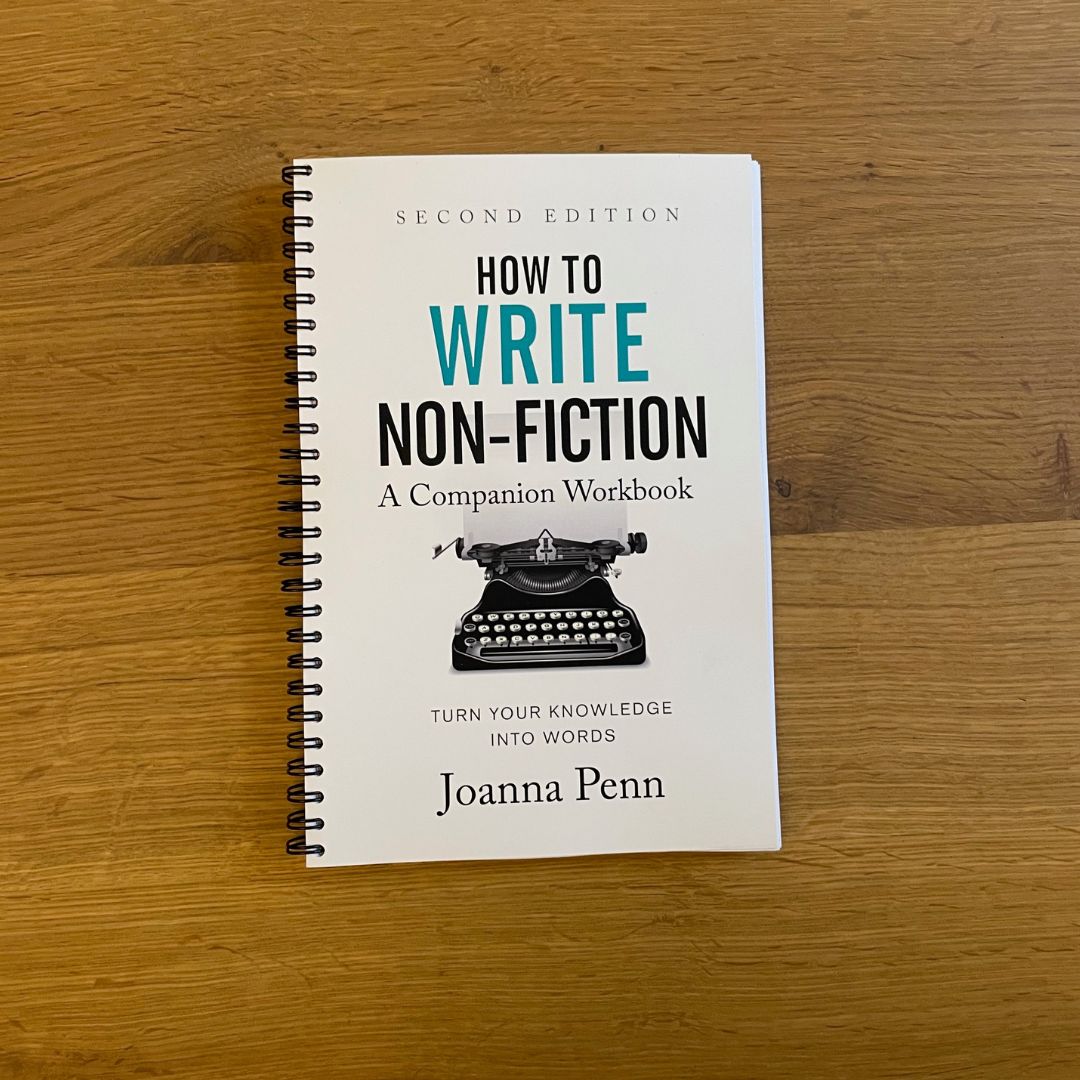
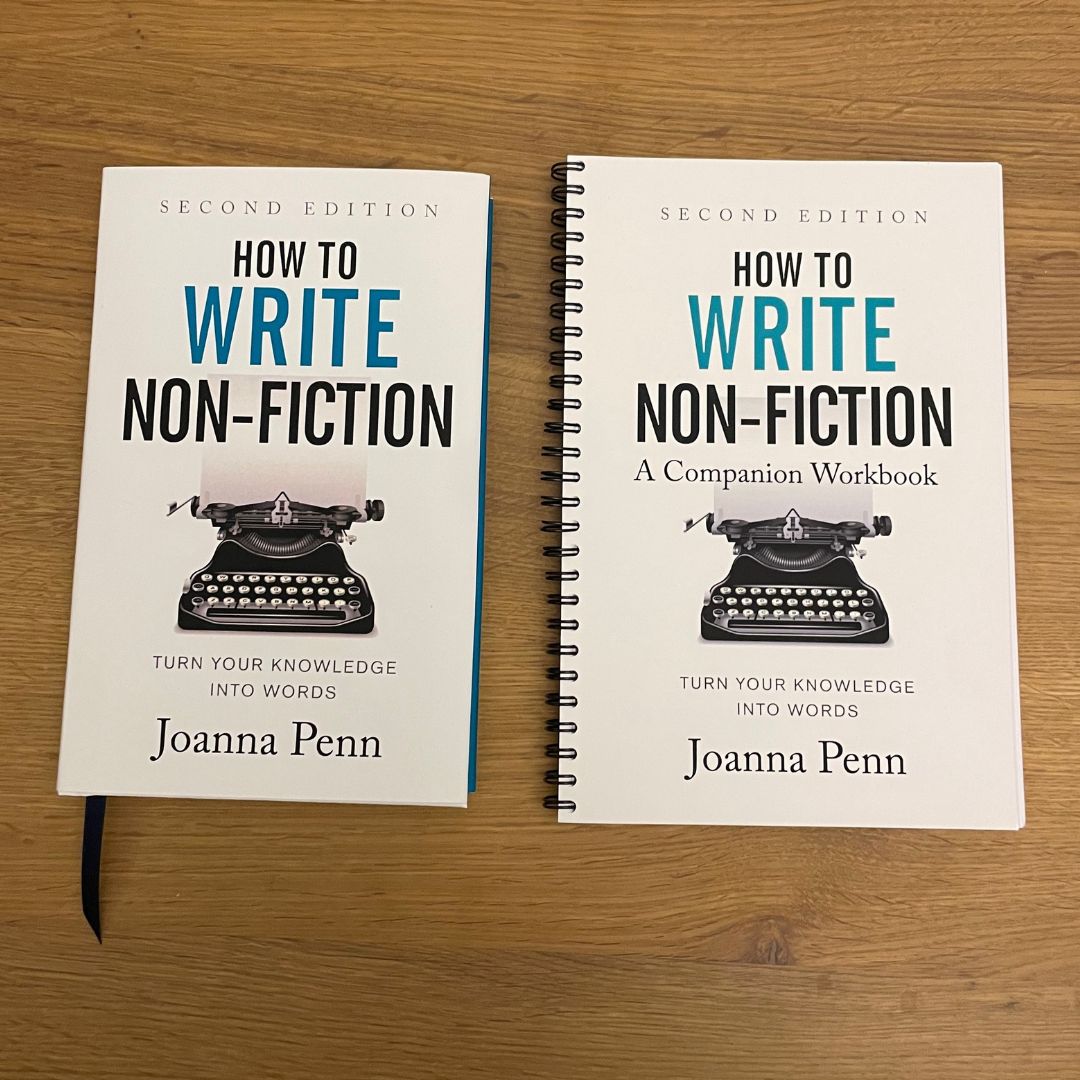
I also use this model with my books for authors, of which this book is one of many.
This business model includes expanding your book into different formats and associated products and services (covered in more detail in the next chapter), as well as publishing on different platforms, in different countries, and potentially in other languages.
You can also sell direct from your own store as I do at CreativePennBooks.com, which leads to more revenue and access to customer data than is possible when selling on retailers.
I also sell direct using Kickstarter, creating beautiful special edition hardbacks, as well as bundles and other related products. I ran Kickstarter campaigns for my non-fiction book Writing the Shadow and my memoir Pilgrimage.
You can also consider translation, licensing for international territories, and potentially exploiting subsidiary rights like film and TV, media, or gaming.
(2) The book as lead-generation for courses, consulting, services, software, subscriptions, and other products
The book is valuable on its own, but it can also lead people into your higher-priced products and services. These may be your own, or links to affiliate products where you receive a commission on sale.
This is a common strategy for non-fiction authors in the self-help and business niches, where books are seen as more of a marketing tool than income.
The American self-help guru Tony Robbins started out with books, audio programs, and live events and now runs a multimillion dollar self-help empire. The Netflix documentary I Am Not Your Guru goes behind the scenes at his live events, and his books — while valuable assets on their own — also lead into higher-priced products, experiences, and services.
Other examples include Russell Brunson, who used DotCom Secrets to sell his software, and Sophia Amoruso who used her book #GIRLBOSS to generate publicity for her online store, Nasty Gal, and a Netflix series based on her story.
Mark McGuinness, poet and creative coach, writes books on productivity and resilience as a form of lead generation for his coaching programs for creative entrepreneurs.
Many of my readers buy my other books, as well as products and services I recommend. Some also come over to my show, The Creative Penn Podcast, where the number of downloads correlates with corporate sponsorship revenue.
The podcast also leads into my author community subscription at Patreon.com/thecreativepenn where I share tutorials, tips, and extra audio and video on writing craft and creative business.
(3) The book as the basis of a speaking career
Most professional speakers have one or more books that relate to their keynote and workshops. The book acts as a business card that also provides credibility, reassuring conference organisers and audiences that they know their topic. In addition to facilitating more speaking work, the book itself can generate income if included as part of a speaking fee or sold at the back of the room at events.
Examples of authors who are also keynote speakers include Malcolm Gladwell, Brené Brown, and Susan Cain, who wrote the brilliant Quiet: The Power of Introverts in a World That Can’t Stop Talking.
The connection can also work the other way as speakers who have viral TED Talks or other events can be approached by publishers to write a book on the topic.
I’ve been an international professional speaker for more than a decade, and it can be a good revenue stream and a way to travel and meet other professionals in your niche.
You can find more tips in my book Public Speaking for Authors, Creatives and Other Introverts.
(4) Bulk sales and special sales
“These cash mines are all around you, but until now you have probably overlooked them, because unlike bookstores, they do not have canyons of bookshelves. Instead, these non-trade sales outlets are disguised as corporations, associations, home shopping networks, book clubs, schools, catalogs, gift shops, retail stores, government agencies, military bases, supermarkets, drug stores, and so many more.”
—Brian Jud, How to Make Real Money Selling Books (Without Worrying About Returns)
Bulk sales is one of the business models you hear little about, because books sold in bulk fly under the radar of the industry. A book might sell millions of copies and make the author a lot of money, but never make the bestseller lists.
The principle is simple. You have a book that appeals to a certain market, but instead of selling it to individual readers, you sell it in bulk to companies, retailers, and other organisations who then sell it on, or gift it, to their extensive customer base. For example, a book on looking after your dog might sell to pet stores or a pet food company.
Author and executive coach Honorée Corder does this with her book The Successful Single Mom, which she licenses to attorneys to give to their clients when going through a divorce. In an interview on The Creative Penn Podcast, she said,
One of the ways that I sell my books is I let companies and firms do… custom printing where they take the back cover and make it a brochure about their business. It’s really a marketing tool for law firms and certified divorce, financial advisors, those types of people. They’ll buy the book in quantity and put their information on the back.
Combine models to create multiple streams of income
You can, of course, mix and match different elements based on your income and lifestyle goals, and this might also change over time.
In my early years of being an author, while I was still building up my backlist of books, I focused more on selling online courses as well as paid consulting and speaking.
Over time, I switched my focus more to book sales (as I also have a fiction business under the author name J.F. Penn), and I supplement that with consulting and speaking, as well as affiliate income, corporate podcast sponsorship, and community subscription on Patreon.
Design your ecosystem around the book
If you consider your future business model before publication, you can design an ecosystem around the book in advance to maximise your opportunities and potential revenue.
For example, you can include links or QR codes in your book to free videos that could lead into an online course, consulting or coaching, or extra material that will help people consider other products and services.
One problem with books is that you don’t know who bought them — unless you sell direct. You can mitigate this by including extra material customers can access by signing up with an email, which you then link to a free series of useful resources.
If you need help around designing your author business, check out my book Your Author Business Plan: Take Your Author Career to the Next Level.
Questions:
• Do you want to make money from your book? Which business model or models are you interested in?
• Think of some of the non-fiction authors you consider a success. Go to their websites and note the different ways they make money. How can you model that business design?
Resources:
• The Million Dollar, One-Person Business: Make Great Money. Work the Way You Like. Have the Life you Want — Elaine Pofeldt
• Secrets of a Seven Figure Non-Fiction Indie Author with Joseph Alexander — www.TheCreativePenn.com/joseph
• Abundance for Authors and Taking Action with Honorée Corder — www.TheCreativePenn.com/honoree
• How to Make a Living with your Writing: Turn Your Words Into Multiple Streams of Income — Joanna Penn
• How to Make Real Money Selling Books (Without Worrying About Returns) — Brian Jud
• Public Speaking for Authors, Creatives and Other Introverts, Second Edition — Joanna Penn
• Your Author Business Plan: Take Your Author Career to the Next Level — Joanna Penn
• My author community around writing craft and creative business — www.Patreon.com/thecreativepenn
• My Shopify store with books for authors — www.CreativePennBooks.com
• Jane Friedman’s site on the publishing industry — www.JaneFriedman.com