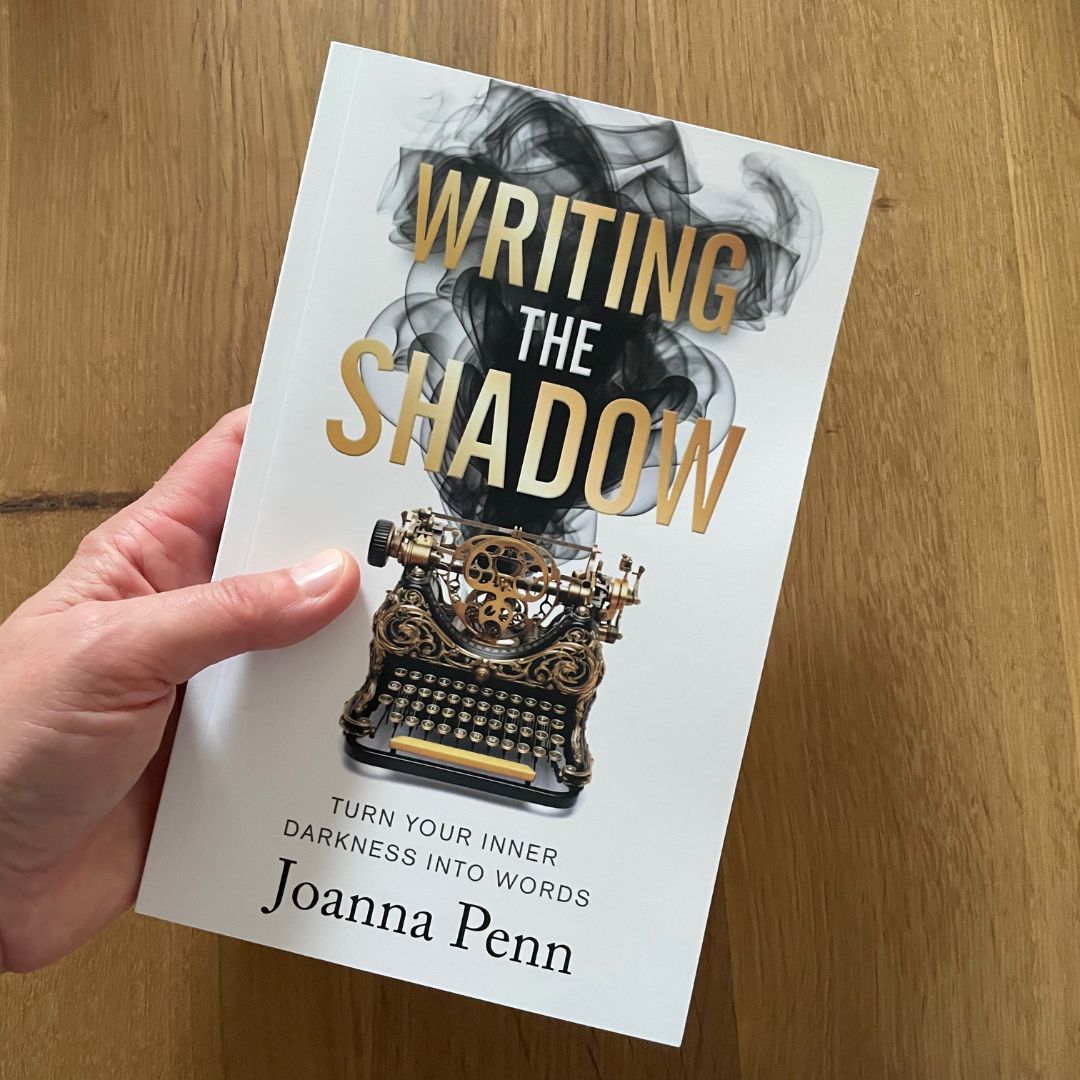
Writing the Shadow: The Shadow in the physical body
In The Picture of Dorian Gray by Oscar Wilde, the young Dorian Gray gazes at a beautiful lifelike painting of himself and says,
“This picture will remain always young. It will never be older than this particular day of June… If only it were the other way! If it were I who was to be always young, and the picture that was to grow old! For that—for that—I would give everything! Yes, there is nothing in the whole world I would not give! I would give my soul for that!”
Dorian lives hard, enjoying all kinds of pleasure before descending into depravity and violence. The painting in his attic ages and becomes grotesque, even as he remains youthful and handsome.
But the painting haunts him, and in the end, appalled at what he has become, Dorian slashes it to ribbons. He becomes his repressed Shadow, kept in the attic all that time. As he dies, his body reverts to its true form and the painting is restored to its original state.
While this story might be extreme in its example, many of us spend years ignoring the reality of our bodies, favouring the mind and intellectual pursuits.
But we are physical animals and as much as we like to think otherwise, our daily decisions eventually manifest in our bodies. I’ve certainly wrestled with this over the years, so perhaps it’s true for you, too.
Note: I don’t have experience of physical trauma, serious injury, long-term illness, disability, or certain mental health conditions. Please see a professional for your situation as appropriate.
The consequences of pushing the physical body into the Shadow
Have you ever looked at a photo of your younger self and thought, I was beautiful back then. I wasn’t fat and ugly like I thought I was. Why did I think that of myself?
This type of body distortion is common, played out through cycles of self-judgment and the battle to mould ourselves into whatever shape society thinks is appropriate at the time.
In my teens and early twenties, the ideal body was represented by model Kate Moss, the waif, the skinny blonde. But I was a “fairy heffalump,” as I was once called, crashing down the stairs with my bag full of books. I didn’t fit in at ballet or tap classes. I didn’t have the body for that — or the coordination.
But that was okay because I loved learning and knowledge and books, and my happy place was sitting alone reading or studying.
I was praised for being a bookworm and later rewarded for my good grades with money, and also with food treats. If I was a good girl and did well at school, I could have ‘bad’ or ‘naughty’ food like chocolate or cake or other treats.
The harder I worked, the more rewards I could get. This association persists for me today. If I work hard, if I’m good — then I get a treat, preferably something delicious and bad.
Even as I write this, I realise how ridiculous it is, but seriously, does anyone reward themselves with kale?!
My focus on the mind instead of the body started from an early age. I pushed any idea of ‘play’ into the Shadow. It felt lazy and a waste of time to spend hours having what some called ‘fun,’ when I could be reading, learning new things, or escaping into another world.
My brother was always the athlete, physically confident and good at skateboarding and basketball and later the martial art capoeira. He also has several degrees and is a multi-award-winning photographer and filmmaker, so clearly it’s possible to manage both sides!
But I wasn’t interested in play or exercise for fun or pleasure because developing my mind was more important — at least that’s what I told myself.
At school, we were forced into doing team sports like netball and hockey, which I hated. I never enjoyed group exercise and although I enjoyed swimming when I was younger, once I hit puberty, my body wasn’t streamlined anymore and I couldn’t swim so well. I didn’t like to take my clothes off in the changing rooms, as I felt fat.
But that was okay because my body was just a vessel to carry around my mind, and my brain was the far more important aspect of my life.
I pushed physical health and fitness into the Shadow as unimportant, but the more you push things down, the more they come roaring back, eventually.
I started working in a global consulting company in 1997 and while I went to the gym — because that’s what everyone did — it was the late nineties, a time of massive corporate expense accounts, and a work hard / play hard culture.
One of my first projects was in Brussels, Belgium, and most nights we were out at bars and restaurants having a very good time. During the day, my focus was on doing a good job and learning how to be an effective consultant, so it didn’t matter that I put on ten kilos from moules-frites, binge drinking, and Guylian chocolate on the Eurostar home every week.
Consulting life burned me out, and I resigned in the year 2000 on my twenty-fifth birthday. I went traveling in Australia and eventually settled back into consulting as an IT contractor — and an office job once more.
I discovered scuba diving and became a PADI Divemaster so I could guide others underwater safely. I enjoyed the gym and took up running and cycling. I was relatively physically active and have continued to be — but I still prioritised my mind and my job over my body and spent most of the day as a sedentary computer worker.
As I hit my mid-thirties, I started getting back and shoulder pain. By the time we returned to the UK in 2011, I had such bad back pain that I had trouble sleeping. I had scans for spinal tumours, but they found nothing, and I was discharged for physiotherapy.
More years went by and I continued to go to the gym, as well as taking up yoga and long-distance walking. Despite all that, in 2019, I ended up with a shoulder injury that left me in agony.
When I couldn’t lift my arm over my head anymore and almost passed out in the shower from the pain of trying to wash my hair, I went to a shoulder specialist.
He gave me a painkilling injection in my shoulder and a serious talking to, for which I am incredibly grateful.
He told me that my shoulder injury was from years of bad posture. Decades of hunching over a book, a desk, and a computer had wrenched my scapular out of position and unless I fixed my posture, I would be back in his office getting regular injections for the pain. They would eventually stop working and I would probably need an operation at some point. My pain would get worse.
The other option was to get serious and correct my posture, which I could do through weight training.
If you think I’m an outlier, or if you’re young enough not to have significant pain yet, read Deskbound: Standing Up to a Sitting World by Dr Kelly Starrett. It notes that, “The typical seated office worker has more musculoskeletal injuries than any other industry sector worker, including construction, metal industry, and transportation workers.”
I found a rehab gym and met Dan Clarke, who is still my personal trainer years later. We work out twice a week and I’m now proud to be a strong woman with healthy shoulders. My personal best dead lift is eighty-five kilograms at the time of writing, significantly more than my body weight. More importantly, I’m functionally strong and flexible and I have no persistent pain, just the normal sensation of muscles being used.
In working with Dan, I continue to learn body knowledge that I didn’t value earlier in my life and which I now recognise as something I pushed away as unimportant for too long. I spend money and time on my physical health and I prioritise it over other things. I also love lifting, and it makes me feel fantastic.
Sometimes I get angry there were no role models of female strength when I was growing up, as I wish I had found lifting at a younger age. I was taught at school that the only exercise worth doing was team sports and I have never been a team player.
Strength was never seen as feminine and women with muscles were ridiculed for being overly masculine. I’m sure in some ways, they still are, but at least the body positivity movement has made different body types more acceptable. As tennis legend Serena Williams said, “Since I don’t look like every other girl, it takes a while to be okay with that. To be different. But different is good.”
It’s complicated
While self-acceptance and self-love and self-care and body positivity are important and I absolutely agree that we should love our bodies and who we are right now, it’s also complicated.
Your body and the state of your physical and mental health impact your quality of life now and for the rest of your days. Our brains are not separate from our bodies. We cannot keep prioritising the mind over everything else.
Clearly there are some conditions that are beyond your control, but wrestling with the Shadow around what we eat and how we move and how we treat our bodies and our minds is work many of us urgently need to do.
You only have to look at the headlines to see our Collective Shadow playing out. High rates of obesity, even in children. Eating disorders, binge eating, mental health issues, over-use of painkillers, medicalisation of so many conditions — and the list goes on.
If we don’t do this work and figure out how our dysfunction is affecting our health, at some point, we will be forced into it. The pain will get to be too much. The Shadow will eventually rise up.
The Healthy Writer
In 2017, I co-wrote The Healthy Writer with Dr Euan Lawson. As part of the research for that book, we did a survey to see what authors suffered from.
It was shocking to discover how much pain there was in the community, with over 1,100 writers struggling with stress, back pain, weight gain, anxiety and sleep problems, as well as issues from sedentary working. Others reported headaches, eye strain, loneliness and depression, digestive issues, and repetitive strain injury.
It’s clear that I’m not the only person who has pushed care of the physical body into the Shadow.
This is the work of a lifetime.
We live in our bodies and as the days go by, new challenges emerge. We may figure one thing out only to be greeted by something new.
In 2017, when The Healthy Writer was published, I had not experienced that chronic shoulder injury, and I had not discovered the joys of lifting.
I had also not reached perimenopause, which was a significant time for me, as it is for many other women.
In my midlife memoir Pilgrimage, published in 2023, I wrote about my physical and mental health struggles and some of the unexpected impacts of hormonal changes, as well as how COVID left me weak and struggling for months. While I was reticent to talk about such things at first, the process of writing about it brought it out of my Shadow, and I’ve heard from others that my words helped them in a difficult time.
These days, I’m happy to be lifting and walking and physically well, but I certainly haven’t banished negative thoughts about what I look like in the mirror. I still feel fat and ugly some days. I still compare my body to other women and feel inferior. I’m still weak and in pain and broken some days. I still reward myself with food, and I have days when I eat way too much, or drink too much wine. I am a work in progress!
But I also know that the state of my physical body impacts my brain and my ability to write and create.
I cannot be an effective author and run a successful business without my health. I understand how much better I feel mentally when I move. I walk almost every day. I lift weights twice a week. Most days, I eat within a certain window based on the principles of intermittent fasting. I’m writing this at my standing desk.
I am not a saint by any means. I love my food — and I still love a drink! — but my denial of the importance of my physical body is over. As Hippocrates said, “Health is the greatest of human blessings.”
Questions:
• What triggered you in this chapter?
• How do you feel about your body and your health?
• What words and phrases and images come up for you when you think about body image and health and how it has been portrayed amongst your family and your culture?
• How might you have pushed aspects of your body and health into the Shadow?
• In what ways could better physical health impact your creativity and your life?
• How might you address some of these issues in order to positively change your health?
• If you have experienced or are currently living with physical trauma, injury, serious long-term illness, disability, or mental health conditions, what are some of the potential Shadow aspects for you in terms of the way you see yourself, or the way others see you?
Resources:
• Built to Move: The 10 Essential Habits To Help You Move Freely and Live Fully — Kelly Starrett and Juliet Starrett
• Deskbound: Standing Up to a Sitting World — Kelly Starrett
• The Body Keeps the Score: Brain, Mind, and Body in the Healing of Trauma — Bessel A. van der Kolk
• The Healthy Writer: Reduce Your Pain, Improve Your Health, and Build a Writing Career for the Long Term — Joanna Penn and Dr Euan Lawson