
How to Write Non-Fiction: Multiple streams of income from your book
However you choose to publish, it’s important to consider the multiple streams of income that can flow from even a single book. In this chapter, I’ll go through some of your options.
You might choose to produce these yourself, or selectively license rights to a publisher, and of course, you can mix and match in different ways.
Remember to think internationally as well. I’ve sold books in English in 180 countries and receive payment for multi-currency sales every month.
For an overview of the tools and sites I use to professionally self-publish, check out:
www.TheCreativePenn.com/how-i-professionally-self-publish
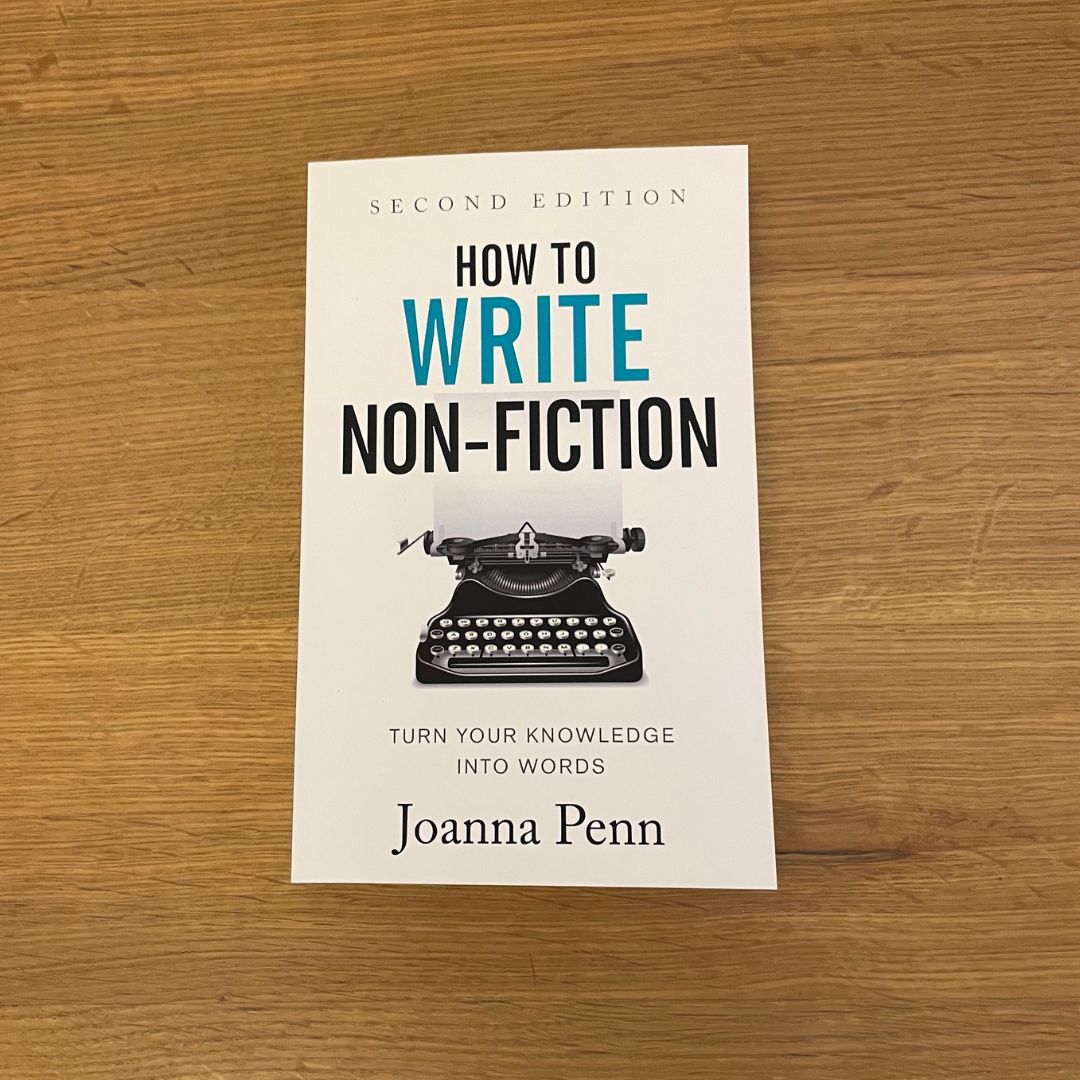
Paperback and large print
Non-fiction books sell well in print formats, and you can either license these or produce them yourself.
Non-fiction book formatting (except for memoir) is often more complicated than fiction as you will probably have sub-headings, and perhaps call-out sections, quotes, tables, diagrams, and other aspects. You can use software like Vellum, Atticus, or InDesign to format the book yourself, or you can hire a book designer or formatter to do it for you.
Most professional self-publishers use a print-on-demand service, where books are printed after sale. This means you receive profit after the sale instead of paying upfront for printing, and it’s also more sustainable because there is no waste or pulping of unsold books.
Large print editions are books printed at a larger physical size and with a larger font (at least sixteen points) and are popular with older readers who don’t like to read digitally. I produce large print paperbacks for all my books for accessibility reasons.
I use KDP Print for Amazon, IngramSpark for distribution to bookstores and libraries worldwide, and Bookvault for Kickstarter campaigns and my direct store, CreativePennBooks.com. You can also use Lulu.com for integration with Shopify and other direct stores.
You will need ISBNs for print books, which differ by country in terms of cost and availability. The Alliance of Independent Authors recommends buying your own if you are the publisher of record. You can find all the details at SelfPublishingAdvice.org/isbns-made-easy
Ebook sales and subscriptions
You can license your ebooks or produce them yourself. You can use Vellum or Atticus software, or you can hire a formatter.
You can choose to be exclusive to Amazon for your ebooks in the Kindle Unlimited (KU) program (known as KDP Select on the author side). You are paid based on a rate per pages read rather than sales.
If you choose exclusivity, you cannot distribute the ebook to other platforms or libraries, or sell direct yourself. There are subscription programs that don’t require exclusivity, like Kobo Plus.
I choose to publish my ebooks wide on every platform in every country. I use Amazon KDP, Kobo Writing Life, as well as Draft2Digital for distribution to most other stores. I also sell my ebooks and digital bundles direct on CreativePennBooks.com using BookFunnel for delivery.
Hardbacks and special editions
I love hardback non-fiction, and will often buy a book in hardback after I’ve listened to the audiobook or read the ebook as a reminder to revisit the content later. Hardback non-fiction is also my most common impulse buy in physical bookstores.
While you can do print-on-demand hardbacks with KDP Print and IngramSpark, you can also do short print runs for special editions. Readers will pay more for these kinds of books and it’s possible to make more profit from a beautiful hardback than you do from other editions.
My special hardback for Pilgrimage has colour photos from my walks and research trips, and Writing the Shadow has gold foil, as well as a ribbon bookmark. You can also now produce sprayed edge designs and other bespoke options, even with print on demand. I print with Bookvault in the UK and sell the books on Kickstarter and from my store, CreativePennBooks.com.
Audiobook sales and subscriptions
Non-fiction books do well in audiobook format as many listeners want to consume the information quickly, while they are doing other things. The income from audiobooks varies as many listeners access through subscriptions like Audible or Spotify, although you can also sell direct using BookFunnel integrated to your online store.
You may have to adapt your book for audio, as covered in chapter 2.15.
After voice coaching and much practice, I narrate most of my non-fiction audiobooks. Since I have a podcast and listeners know my voice, it makes sense to continue my brand in that way, and it also makes the audiobook more profitable since I don’t have to pay a narrator.
If your book is a memoir, or a personal non-fiction book, I think the author’s voice adds to the listening experience, so it’s worth up-skilling, especially if you’re planning to write more books in the niche.
You can record, edit, and export mastered files with Hindenburg Narrator software, then upload to ACX.com for Audible and Findaway Voices by Spotify for over forty more audiobook retailers and subscription sites.
You can find more details in my book Audio for Authors: Audiobooks, Podcasting, and Voice Technologies.
Workbooks, companion guides, and journals
These products go alongside the main book and might contain questions and action points, as well as sections to write in. These can be basic spiral-bound workbooks, or you can make premium edition hardback journals, and use these for online or live workshops, or sell them as separate products.
KDP Print and IngramSpark have restrictions around ‘low content’ books as part of catalogue integrity. They don’t want the stores flooded with almost blank books, so you need to make sure the workbook is a value-added product.
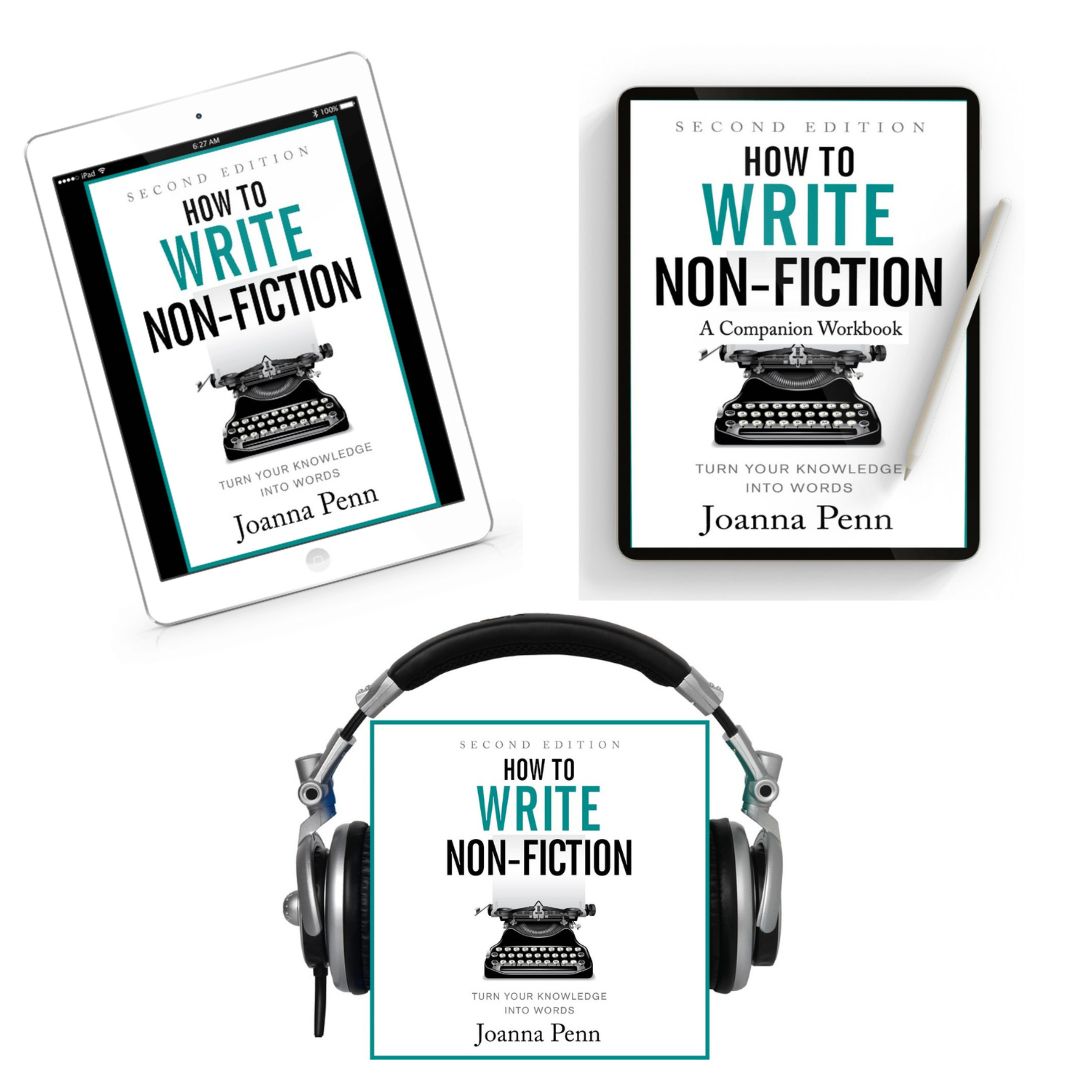
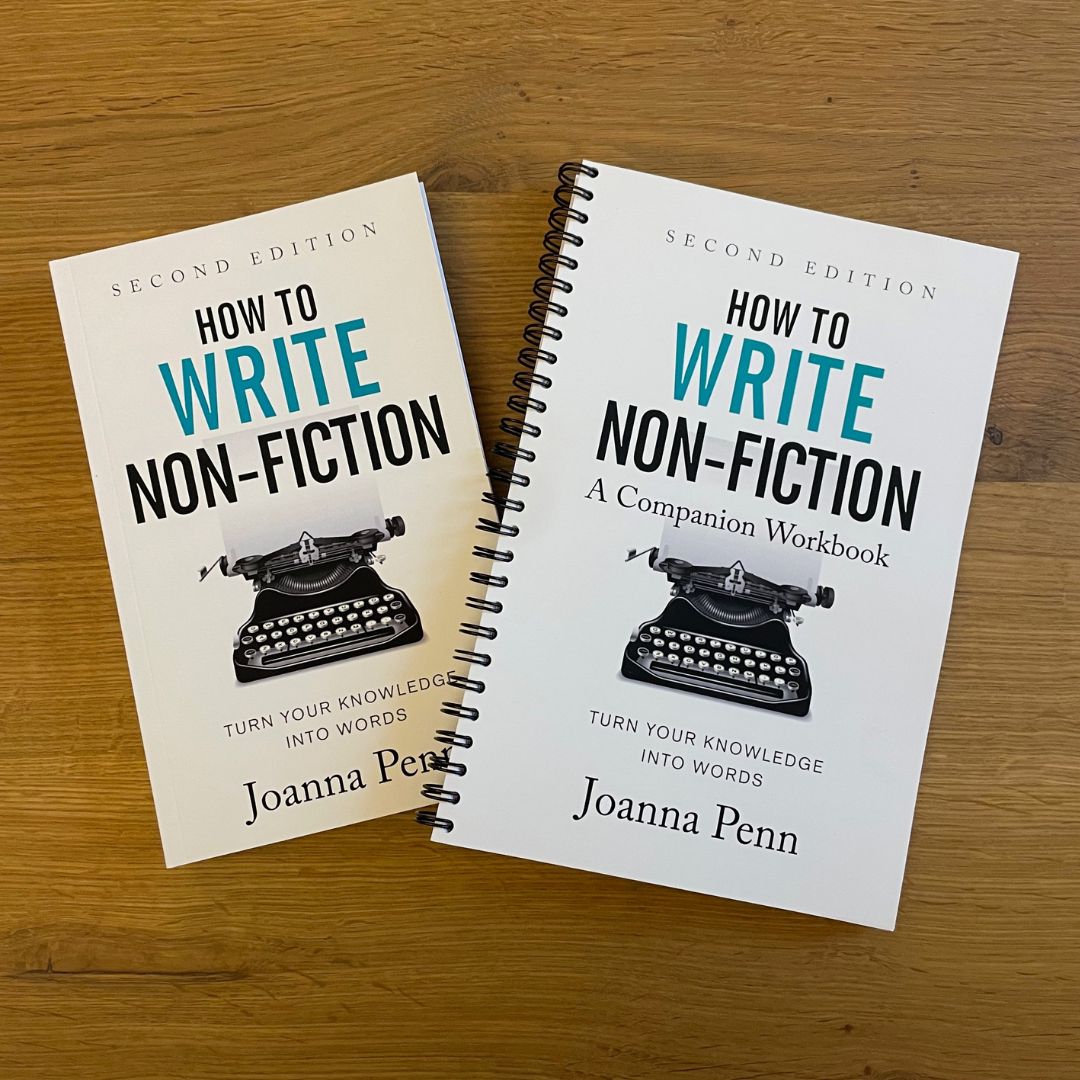
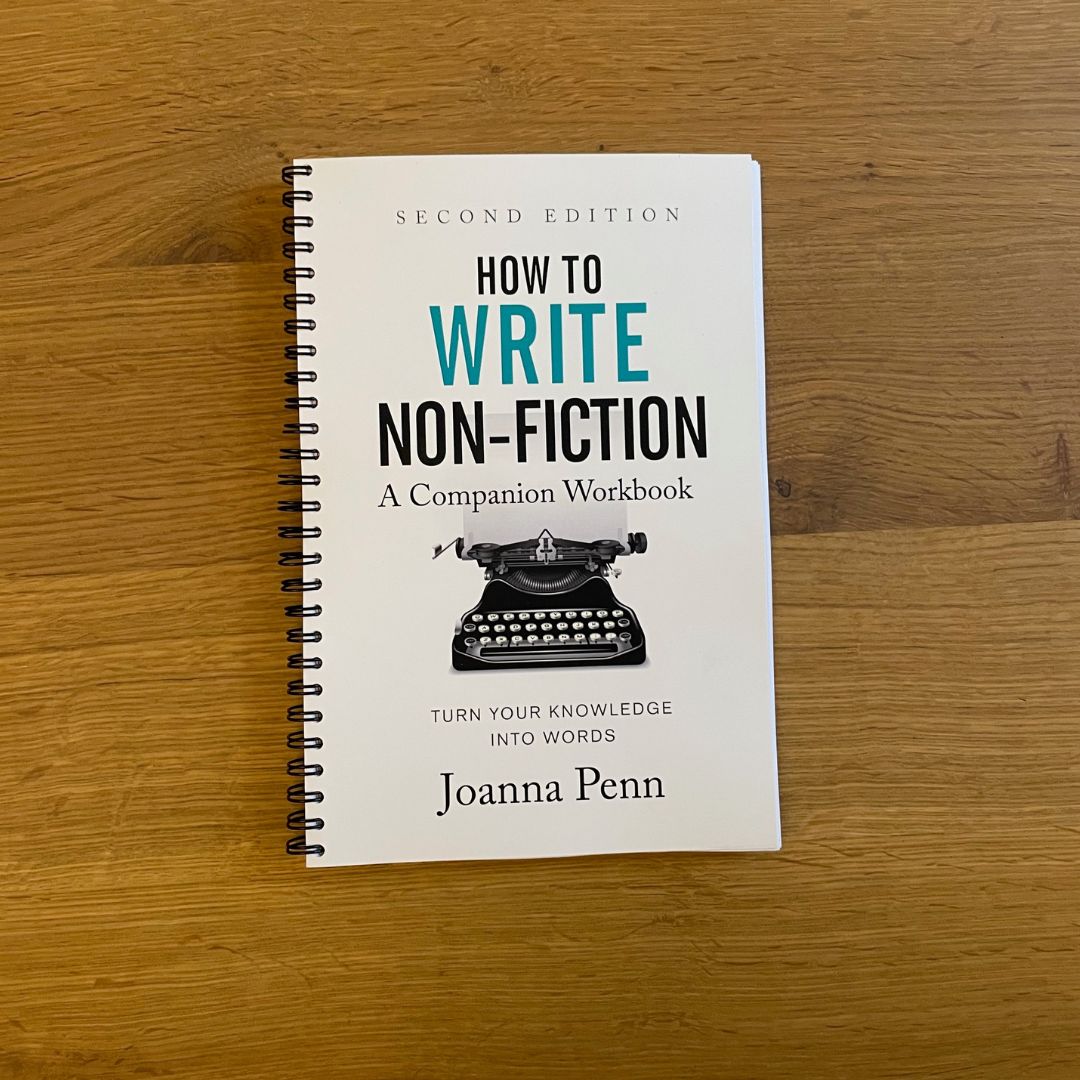
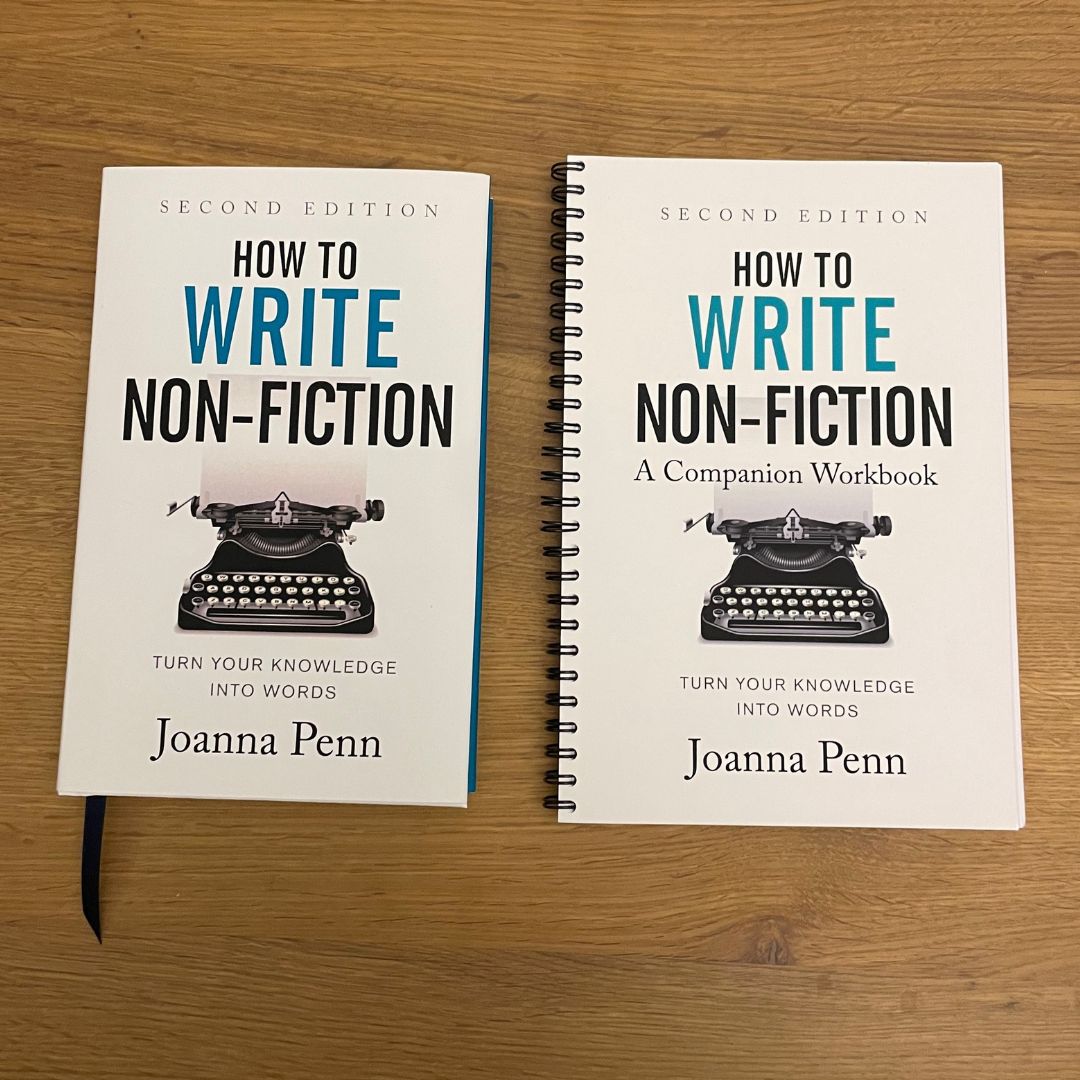
I have a companion workbook for this book with the questions from each chapter and space to write your answers. It’s six by nine inches and wire-bound, so it lies flat. I publish it through Bookvault, and you can find it alongside my other workbooks at CreativePennBooks.com as a single product and also in bundle deals.
John Lee Dumas, podcaster at Entrepreneur On Fire, talked about creating his premium product, The Mastery Journal, in an interview on The Creative Penn Podcast:
Physical products cost money to make. [The journal includes] full leather, silver leaf edges; there are book markers, bands as well as written pages. I hired designers to do this properly.
John used Prouduct.com to source, prototype, then print and ship from China. He used a Kickstarter campaign for the initial run, then Fulfillment by Amazon (FBA) as well as Shopify for ongoing sales.
John has a large audience through his daily podcast for aspiring entrepreneurs, so he knew he could sell the journals, which is critical if you’re going to outlay money to print in advance.
You can find the interview at:
www.TheCreativePenn.com/johnleedumas
Bundles and box sets
If you have more than one book — or a book and a workbook or journal — you can bundle them together as a separate product that gives the reader or listener a discount on purchase. It’s great value for them, and also results in higher revenue for you.
You can make ebook and audiobook bundles by including multiple digital files in one product, and you can make print bundles by linking them together at the printer.
I use Bookvault, which allows the bundling of multiple books and workbooks, as well as custom physical boxes, if you want to make a special product.
Libraries and public lending rights
If you’re exclusive to Amazon for your ebooks and audiobooks, they won’t be available in libraries, and this is one reason many authors publish wide.
You can enable access for ebooks and audiobooks to libraries through distributors like Draft2Digital, Kobo, and OverDrive, and Findaway Voices by Spotify. These services have a buy option and also a pay-per-checkout option, so libraries can afford to offer access to their readers and listeners.
For print books, you can enable distribution to libraries through IngramSpark.
You can access any of my books for free at your library. Just ask the librarian to order them into the catalogue.
Some countries, like the UK, Canada, and Australia, as well as much of Europe, have Public Lending Rights (PLR) which compensate authors for library lending. Just search for the service within your country and register your books. I usually receive only a small annual payment, but it’s better than nothing!
Online courses
Many non-fiction authors offer online courses, webinars, and summits, as well as books. These products provide a more interactive and personal experience and you can price a course far higher than a book, providing another stream of income.
As more people use online education, courses offer an opportunity to reach those who prefer video and audio learning over reading. Unlike live events, an online course has the potential to engage a global audience, providing an additional revenue stream by repurposing your book’s content. A course can also become part of your marketing funnel, leading to other income avenues like speaking, consulting, or coaching.
You don’t need to launch a large, complex course which takes months to produce and contains everything you know. Small, focused mini-courses can be more effective, taking less time to make and offering specific knowledge for a lower price.
Plan your content carefully, breaking it into videos and supplementary material like workbooks, checklists, and bonus interviews. Consider adding a live or community element, such as Q&A sessions or a private forum, depending on your available time and pricing strategy.
For hosting, platforms like Teachable make it easy to focus on content creation rather than technical setup, handling hosting, payments, and affiliate options.
Course development can take longer than expected, even if you’re adapting an existing book. Recording a twenty-minute video can take several hours when accounting for preparation, retakes, and editing.
If you produce a course at the same time as your book, you can link to it within the pages, providing a stream of potential customers that might result in more sales.
Professional speaking, in-person events, and retreats
In an increasingly digital and online world, people crave in-person connection and the ‘experience economy’ is growing even while the price of digital continues to drop. If you can combine higher revenue in-person events with lower price digital and print products, you can offer a valuable experience for your audience, and make more money.
Professional speaking events offer an opportunity for bulk sales, since you can often sell books at the back of the room, or include books for all attendees as part of the speaking fee.
I trained as a professional speaker after writing my first non-fiction book back in 2008, and it has provided me with revenue and also paid opportunities to speak internationally at conferences and retreats. These speaking engagements help me stand out in a crowded market, by providing organic book marketing and connections with other speakers, as well as performance skills I draw on in podcast and media interviews. It’s an amplifier for your career that can lead to valuable opportunities.
I’m an introvert and I still get nervous before speaking, but it’s a skill and it can be learned. For more detail, check out my book Public Speaking for Authors, Creatives, and Other Introverts.
Consulting and coaching
Even if you include all your knowledge and experience within your book or within a course, some people will still want one-on-one help and will pay a premium for your time.
I offer limited consulting sessions, mostly as part of my Kickstarter campaigns. These are ninety minutes on Zoom, addressing specific issues that the author wants to go through related to writing and creative business. It’s a one-off targeted session which provides direction and action points as well as the recording.
Coaching is more of an ongoing relationship between coach and client, with multiple sessions scheduled over time to support the person through the transformation they want to make. Most coaches have specific training around their area of expertise and make coaching a core part of their business.
Subscription programs and membership sites
While consulting and coaching are premium options that you can only offer to a few, it’s possible to serve more of your audience at a lower cost to them and less time input from you by using a subscription or membership site.
I have a community at Patreon.com/thecreativepenn where most people pay less than the price of a coffee a month for extra content on writing craft and author business. This includes a patron-only Q&A audio, as well as extra video tutorials, articles, live office hours, early access and discounts to new products, and occasional meet-ups.
I use Patreon but Substack also has options for this kind of subscription model, as do sites like Mighty Networks and Circle.so. Paying subscribers will be a small percentage of your entire audience, so make sure you have a big enough reach to make this viable.
Affiliate income
Affiliate income is a commission paid on products and services that you recommend and that people buy through your link. You receive a percentage of the sale at no extra cost to the user and often they will get a good deal on the price.
I use affiliate links within my books and on my website and podcast to services and products I use myself and that I am happy to recommend to others — for example, the formatting services Vellum and Atticus, both of which I’m an affiliate for, as well as editing software, ProWritingAid. You can find my links in the resources below, and I also declare my use of affiliate links in the introduction and on my website.
Many companies make it easy to refer others, and you can sign up to be an affiliate once you’re a user yourself. Other companies require evidence of your audience and reach into your target market before offering commissions.
Your affiliate links will usually be long and complicated, so it’s a good idea to turn them into easily readable text using a URL shortener.
I use PrettyLinks, a WordPress plugin that enables easy-to-read URLs. Go through your manuscript and replace any hyperlinks with readable text. For example, my affiliate link ProWritingAid is TheCreativePenn.com/prowritingaid which redirects to a landing page on their side with my affiliate code included — and you can get a better deal, too!
* * *
This is just an overview of the possibilities there are to create multiple streams of income from your books. For more ideas, check out my book How to Make a Living with Your Writing: Turn Your Words into Multiple Streams of Income.
Questions:
• How will you use different book formats as part of your multiple streams of income?
• What other forms of income could you incorporate into your non-fiction business?
Resources:
• How I professionally self-publish — www.TheCreativePenn.com/how-i-professionally-self-publish
• Vellum formatting software — www.TheCreativePenn.com/vellum
• Atticus formatting software — www.TheCreativePenn.com/atticus
• Reedsy marketplace for book design and formatting and other author services — www.TheCreativePenn.com/reedsy
• Audio for Authors: Audiobooks, Podcasting, and Voice Technologies — Joanna Penn
• The Mastery Journal: How to Publish Premium Print with John Lee Dumas, The Creative Penn Podcast — www.TheCreativePenn.com/johnleedumas
• IngramSpark Content Integrity, accessed 5 November 2024 — www.ingramspark.com/blog/ingramsparks-catalog-integrity-announcement
• “ISBNs Made Easy: A Guide for Indie Authors,” The Alliance of Independent Authors — SelfPublishingAdvice.org/isbns-made-easy/
• How to Make a Living with Your Writing: Turn Your Words into Multiple Streams of Income — Joanna Penn
• Public Speaking for Authors, Creatives, and Other Introverts — Joanna Penn