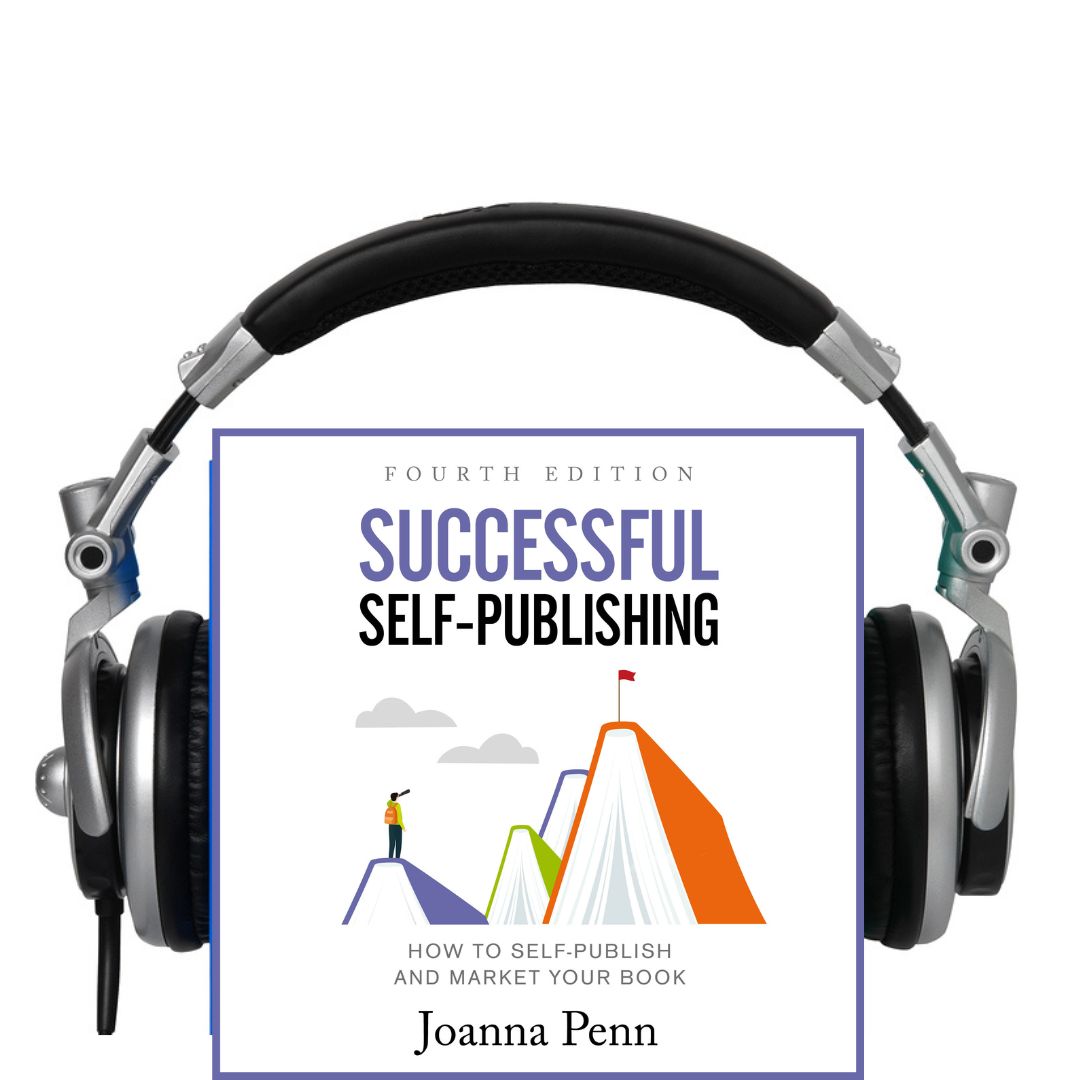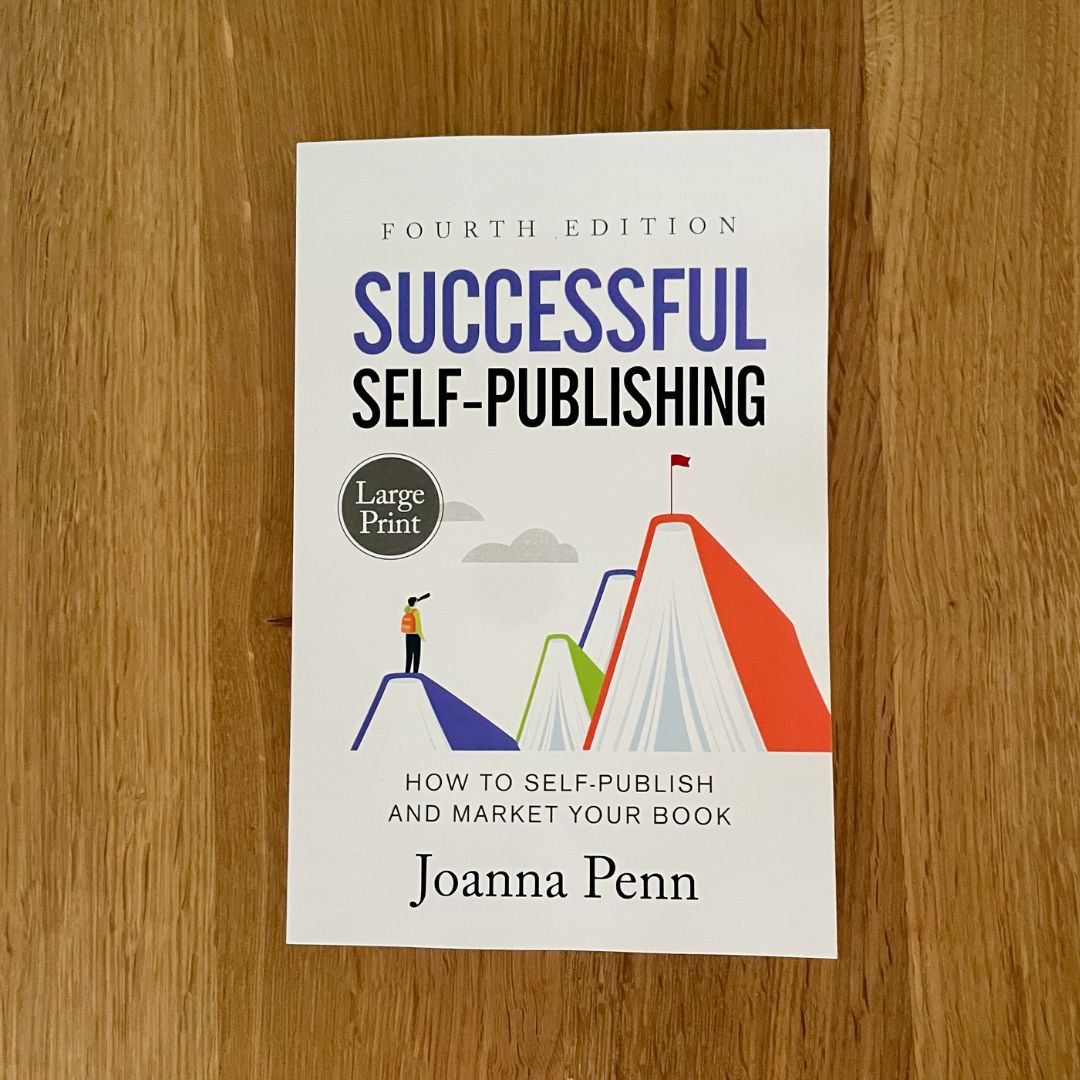
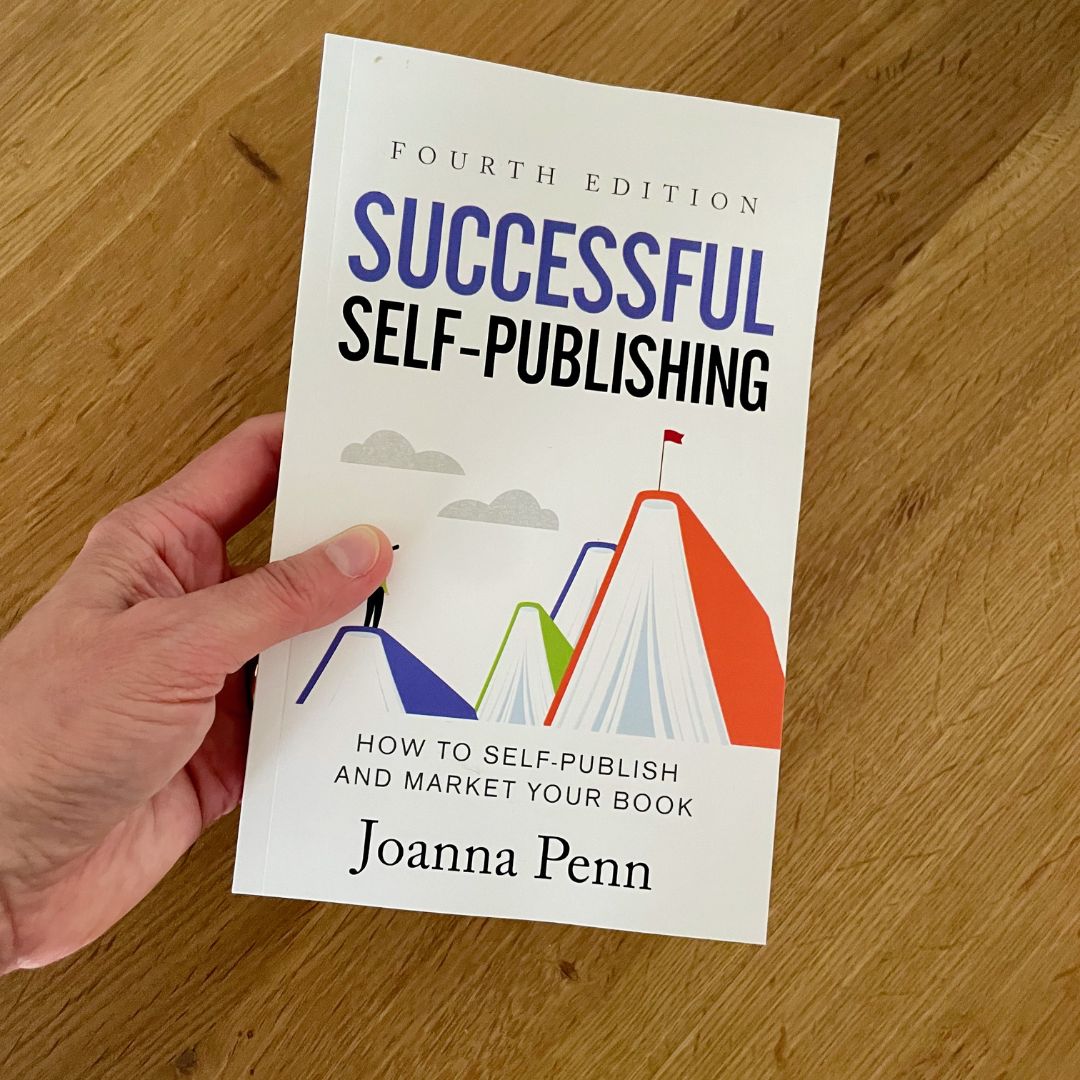
Successful Self-Publishing: Audiobook options
Audiobooks have evolved from a niche format into an essential component of any successful author’s publishing strategy. What was once considered an optional extra has become a core format that readers expect alongside ebooks and print.
The audiobook market has experienced remarkable growth, with the Audio Publishers Association reporting ten consecutive years of double-digit expansion off the back of mobile apps, smart speakers, and in-car listening, as well as easy-to-use audiobook subscription services.
This represents a fundamental shift in how many people incorporate reading into their busy lives. Audiobooks enable multitasking, allowing readers to enjoy books while cooking, exercising, commuting, or tackling household chores.
With fewer audiobooks available compared to ebooks or print books, it can be easier for audiobooks to stand out in a crowded marketplace. It’s become easier and cheaper to produce and distribute audio due to the rise of AI narration.
Before we get into the details of how to produce your audiobook, let’s look at how the marketplace functions so you can decide which choices are right for your book.
Different audiobook revenue streams
Understanding the various revenue streams available for audiobooks is crucial for developing your strategy.
À la carte retail on an audio app is where listeners buy your audiobook directly through platforms like Amazon and Audible (using their credit system), Spotify, Apple Books, Kobo, or Google Play Books.
Subscription services like Audible, Spotify, Kobo Plus, and emerging platforms like ElevenReader, are probably the larger segment of audiobook listening now, offering listening hours per month or audiobooks on a credit system, as well as exclusive extras to subscribers. Much like Kindle Unlimited, these models pay authors a percentage of the subscription revenue pool based on listening time or completed titles.
Library lending through platforms like OverDrive, Hoopla, or Libby can drive significant volume and discoverability, and the author is paid per checkout or per purchase.
Many authors now sell audio direct through Kickstarter, Shopify stores, and other direct options. The free BookFunnel app has all the functions that audiobook listeners are used to, so you can sell on your own store and let BookFunnel seamlessly deliver your titles, as well as provide customer service.
There are also options for advertising revenue by publishing audiobooks on YouTube or podcasts, where the user listens for free, and the author is paid by the platform.
If you own and control your audiobook rights, you can use any of these revenue options.
Exclusive or wide for audio
Ebook exclusivity is covered in chapter 2.5, but there is also a similar decision when it comes to audiobooks.
Audible’s ACX publishing platform offers exclusive distribution with a higher royalty rate of 40 percent on sales through Audible, Amazon, and Apple Books. But this is much more restrictive than the ninety days of exclusivity required by Kindle Unlimited.
ACX has a seven-year term during which you cannot sell your audiobook elsewhere in audio format. Exclusive audiobooks are eligible for inclusion in the Audible Plus streaming pool, potentially reaching subscribers who might not have spent a credit on your book.
Going wide with audiobook distribution means accepting a lower 25 percent royalty through ACX, but the freedom to distribute and sell in any other ways you choose, as well as take advantage of new opportunities as they emerge.
For wide distribution, you can use Spotify for Authors alongside INaudio (previously FindawayVoices) which publishes your audiobook to more than forty retailers and subscription services including libraries, and also gives you access to Chirp Books, a discount promotion service. You can also sell direct, publish to Kobo Writing Life as well as YouTube or podcasts, and pursue all the other revenue options covered above.
Going wide gives you greater flexibility to run price promotions, distribute review codes, and experiment with emerging platforms and bundling.
When making this decision, consider where most of your income is likely to come from.
If you believe the vast majority will come from Audible credits and you don’t plan to create sequels or build a wide brand presence, exclusive distribution might maximize your immediate revenue. However, if you’re building a long-term author business with multiple books, going wide spreads your risk and future-proofs your catalog.
When I started self-publishing audiobooks more than a decade ago, there was only one option through ACX, so many authors, including me, signed exclusive deals, many with royalty split terms, to make the production cheaper.
The narrator did the work for free upfront, and then we split the royalty income for at least seven years afterwards.
While this was a good decision back in 2014, the options have expanded so much that I have now bought out most of those contracts and gone wide with audio. Seven years is a long time, and there are so many ways to make money with audiobooks now!
Options for narration: Hire a human, self-narrate, or use AI narration
There are now three main options for audiobook narration. Each has its advantages and limitations, and your choice will depend on your budget, artistic choices, timeframe, and the specific requirements of your book.
If you’re a regular listener of audiobooks, fiction or non-fiction, you will have a much better idea as to what is important to you, so if you’ve never listened before, try out a few audiobooks before you invest time and money in a format you don’t understand.
Hire a human
Selecting the right human voice for your audiobook is a creative decision that can significantly impact how listeners experience your book.
Consider expectations and what is standard in your genre. Romance and cozy mystery readers typically expect a warm, intimate delivery, while epic fantasy listeners anticipate a dynamic range and credible character accents. Your book’s point of view (POV) is also important. A first-person female character will sound strange if narrated in a deep male voice, and vice versa.
Listeners often prefer one narrator voice per series, and consistency builds fan loyalty and encourages higher listen-through rates.
Some audiobook narrators have followings of their own, and hiring a top human narrator can amplify your launch and increase your sales. But of course, you will pay the highest rates for narration and they’re often booked many months in advance.
Once you know what you’re looking for, you can short-list voices. You might already have a narrator in mind from listening to books in your genre, so just go to their website and look at their rates.
You can find narrators through ACX.com as well as Voices.com and other online narrator marketplaces.
Filter voices by gender, age, accent, language, and price bracket, and listen to samples. Some will audition with a chapter of your book, so you can hear whether the voice is a good fit.
Your budget will also determine your options.
Professional audiobook narrators charge between $150 and $500 per finished hour (PFH). Audiobook narration is usually around 9,000 words per hour. If your book is 70,000 words, it will be around eight hours of audio. At US$350 PFH, you’ll pay around US$2,800 for the audiobook narration.
Rates increase with experience, genre demand, and union requirements, and celebrity or award-winning narrators can command a lot more. You might also need to pay for editing, proof-listening, and mastering if not included in the narrator’s quote.
ACX offers royalty-share options that can reduce your upfront costs, but will lock you into sharing net revenue for seven years.
Once you’ve selected a narrator, effective collaboration and communication is key. Agree on character notes, pronunciations, accents, and pacing before recording begins. Approve a sample to confirm the approach, then stay available for questions during production.
After delivery of the files, proof listen and log any pronunciation errors or misreads with time-stamps for pickups (a rerecording to correct the file). Make sure the finished files meet the technical requirements, but also respect the narrator as a creative professional performing an adaptation.
Top-tier human narration, with fine-grained emotional interpretation, remains the gold standard for audiobooks, especially for fiction and memoir. Human-narrated audiobooks can be published on any platform and are preferred by many listeners, as well as being eligible for awards.
Most of my books are human-narrated, and I’ve worked with many narrators over the years. The relationship can be wonderfully creative when you find the right voice for your work.
However, for many indie authors, budget is a major constraint, and it can take years of sales to reach profitability unless you have an extensive market ready to listen.
Self-narrate
I’ve been narrating my non-fiction, memoir, and short story audiobooks for many years now and although it’s hard work, it’s worth learning the skills if it’s something you want to develop, and you have a lot of books, or plan to write them.
When I started out, I hired a voice coach and did some training courses. I have a home audio booth, made from a wooden frame and audio blankets, so I don’t need to hire a studio.
While there is obviously time and effort needed to produce audio upfront, the books are profitable more quickly, and there are lots of easy-to-use tools that can help. I have a voice brand as a podcaster, and my audiobooks expand this, lending more authenticity to the listening experience. You might even be listening to me narrate this book right now!
For recording and editing, I use Amadeus Pro for Mac, but many people use Audacity. You can also use Hindenburg Narrator for the whole process. I use Hindenburg Narrator for mastering as it has a one-click output for ACX and INaudio (previously FindawayVoices), which has saved me many thousands of dollars for audiobook mastering. This final step produces files with the right technical settings for the publishing sites and is well worth the investment.
AI narration / digital narration / synthetic voices
While AI voices have been around for years, recent advances in the field and acceptance by the various platforms have now made it a mainstream option. The number of voices, accents, and languages expands every week, and the cost of production is much lower than human narration — and keeps dropping.
Many indie authors are adopting AI audiobook narration, and many traditional publishers are, too, with the aim of getting every ebook into audio in all languages.
At the time of writing, I’ve produced several AI audiobooks, including one with my voice clone (Death Valley by J.F. Penn) and even a multi-cast short story (A Midwinter Sacrifice by J.F. Penn). I’ve also signed a contract for AI-narrated audio in translation with a traditional publisher, and no doubt the opportunities will continue expanding.
The main thing to consider is:
How will you distribute and sell your
AI-narrated audiobooks?
If you want to sell AI-narrated audiobooks on Audible, you need to use Audible Virtual Voice (AVV), available through the Amazon KDP dashboard for selected ebooks and countries.
If your book is eligible, you’ll see a link, “Add audiobook with virtual voice” that you can use to produce the audiobook. This cannot be used on any other platform. It is exclusive to Amazon. However, you can produce AI audio in other ways to distribute elsewhere.
Spotify for Authors and INaudio (previously FindawayVoices) accepts two AI-narrated audiobook options: Google Play AI-narrated books and also those from ElevenLabs.
I used ElevenLabs to produce my voice clone, and also to do multi-cast audio, and have found it excellent in terms of options for voices and emotional range. You can also use the files on YouTube, ElevenLabs Reader, or to sell direct. ElevenLabs also pays narrators for licensing their voices, so it’s another way for human narrators to expand revenue streams.
Google Play offers auto-narration as a free service that creates an audio edition alongside your ebook, which you can also distribute in the Google Play Books app, as well as through INaudio.
Apple Books digital narration provides selected high-quality voices tailored for romance and general fiction, but is only available for select authors and genres.
There are also many niche providers emerging that make it easy to create audiobooks, but consider how you will sell your work, as not all platforms accept all kinds of AI-narrated audiobooks.
While it is a lot cheaper to use AI narration, it’s not just a case of uploading your ebook, selecting the voice, and hitting Publish.
You need to listen through and make any changes — for example, changing pronunciation or intonation, adding pauses, and more, depending on your requirements.
It’s quicker, and the timing is in your control, as you don’t have to wait for anyone else to work on the files.
Obviously, AI narration has limitations. Subtle storytelling and multiple character voices can highlight shortcomings in the technology that pull listeners out of the story, and some listeners will refuse to buy or listen to AI audio.
Some retailers and libraries filter or de-prioritize AI titles, potentially limiting your reach. Awards committees may deem AI-narrated titles ineligible for consideration. There’s also ongoing union pressure and potential reader backlash as the technology continues to evolve.
Timing of audio production
In an ideal world, you would publish your book in the main formats — ebook, paperback, and audiobook — on the same day. This maximizes your book marketing efforts as readers and listeners can choose the format they prefer. The different formats don’t usually cannibalize each other since everyone has their favored way to read. Some readers may even buy multiple formats — for example, I often get the audiobook and the ebook for non-fiction so I can switch between the two.
However, it’s historically been difficult for indie authors to publish the audiobook on the same day as the ebook, primarily because audio was expensive to produce. The author would often take the money from sales of the ebook and roll that into paying for audiobook narration, so it would be created later, if at all. Human narrators also need booking well in advance and the time to deliver might be weeks or even months.
With self-narration and AI-narrated files, you are in control of the timing. I’m narrating this audiobook myself (as human me!) and so I can release it at the same time, especially on my direct store, CreativePennBooks.com, because I don’t have to wait for the services to approve it. With AI narration, once you work through each chapter and proof the audio, you can publish the files to your chosen platforms.
* * *
The audiobook market continues to expand, and with the barriers to entry coming down through AI narration, there’s never been a better time to get your books into audio format. Whether you choose human narrators, self-narration, AI voices, or a hybrid approach, adding audiobooks to your self-publishing strategy can open up new opportunities for reaching listeners around the world and increasing your revenue.
If you want to learn more about audiobooks for authors, including all my tips for self-narration, check out my book Audio for Authors: Audiobooks, Podcasting, and Voice Technologies.
Resources:
• Audio Publishers Association — www.audiopub.org
• ACX for publishing on Audible and Amazon — www.ACX.com
• Spotify for Authors — authors.spotify.com
• INaudio for wide audiobook distribution (previously FindawayVoices) — www.inaudio.com
• Kobo Writing Life for audiobooks. You may have to ask for access to publish audiobooks. — www.kobo.com/writinglife
• Voices marketplace for narrators — www.voices.com
• Eleven Labs — www.TheCreativePenn.com/elevenlabs
• ElevenLabs Readers for listening with different voices — elevenreader.io
• Audible Virtual Voice (AVV) — Note: this KDP help page is sometimes only visible if your books are eligible for AVV — www.thecreativepenn.com/AVV
• Hindenburg Narrator — hindenburg.com/products/narrator-studio
• BookFunnel for direct audio sales — www.TheCreativePenn.com/bookfunnel
• Expanding Audiobook Revenue Through YouTube and Podcasting with Derek Slaton, Interview on The Creative Penn Podcast — www.TheCreativePenn.com/youtube-audio
• Audio for Authors: Audiobooks, Podcasting, and Voice Technologies — Joanna Penn