
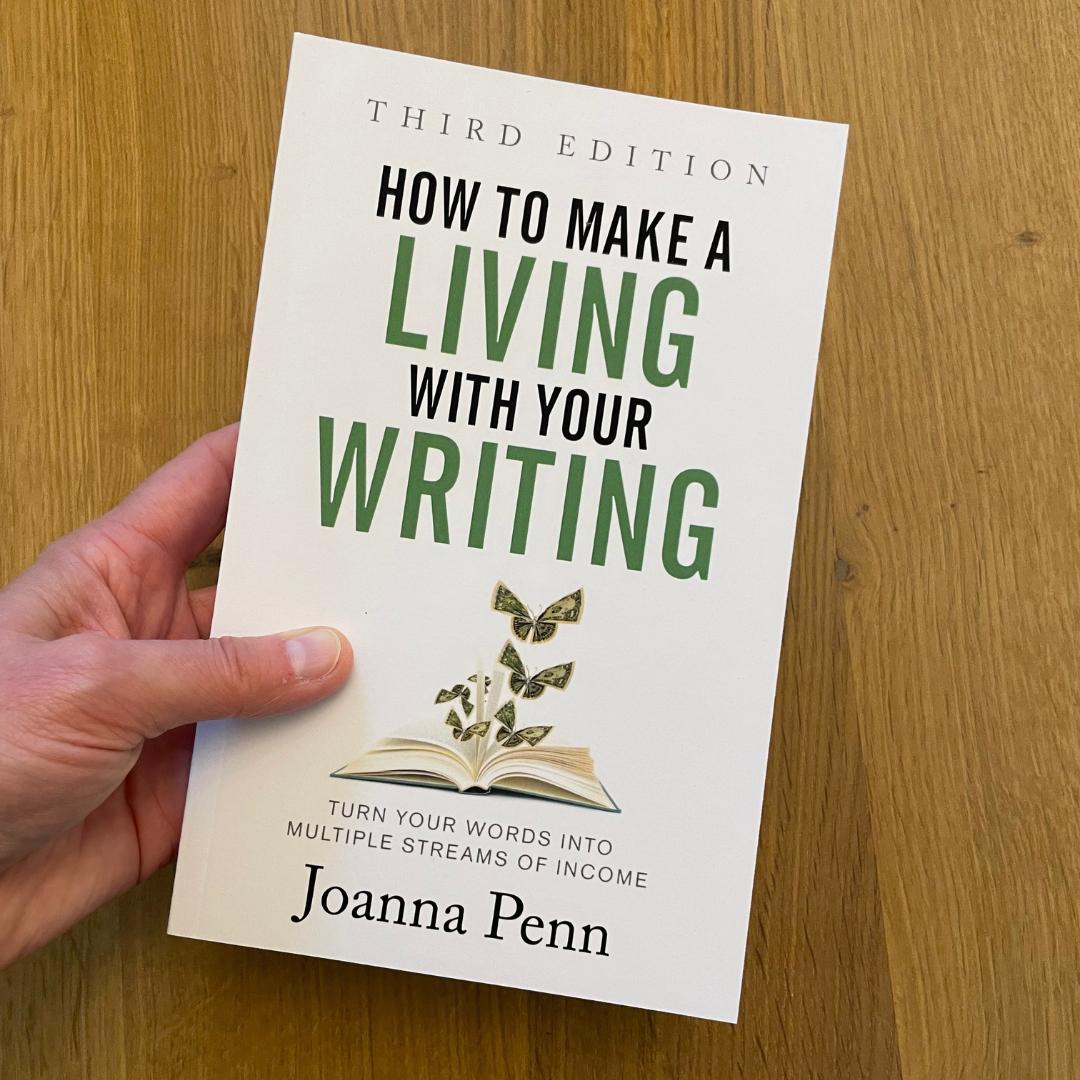
How to Make a Living With Your Writing: Freelance writing and ghostwriting
Freelance writing is writing for hire. This can range from writing articles for online or print media; copywriting, technical and specialist writing; gaming or other media; writing for licensed brands and spin-off shows; and any other forms of writing where you’re paid for your words or your time and you don’t own the final product.
Ghostwriting is writing books which are published under your client’s name, and while ghostwriters are usually contractually bound to keep their clients secret, it is a common practice in the publishing industry. The rates can be significant if you develop a track record of writing fast in the client’s voice.
For both of these areas, you're paid per project or by word count and usually, you don't own the rights to the finished product. Check your contract for specific terms.
Choose projects carefully
Research the best-paying markets and clients, learn from successful freelancers who are making a living, and specifically target higher-paying opportunities. If you end up writing for content mills at tiny rates, you will burn out and hate writing. Only apply for freelance jobs that fit your ideal situation.
Differentiate yourself and demonstrate that you’re worth the investment for higher rates. If you’re just starting out, you may well have to work for free to get those first credits under your belt, but don’t let that period stretch out for too long.
Work smarter, not harder
Writing on more difficult and in-depth topics will earn you more money and set you apart, so consider where your expertise lies and go deep within a niche. Develop and foster relationships with key clients so work comes to you, instead of having to chase it all the time.
Network with other freelance writers so you become part of a community and refer work to other people if appropriate. Over time, others will refer you in turn and your freelance work will become more of an ecosystem.
Use the various tools available to help write faster and smarter, for example, use editing tools like ProWritingAid or Grammarly, as well as time management and invoicing tools so you keep track of submissions and payments.
Showcase your writing on your website
When I hire freelance writers for content articles, I always check their website first. I want to see examples of their writing and also find out more about them so I can see if we might be a good fit.
Create a professional site that includes a personal About page and information on projects you specialize in, as well as examples of your writing.
Balance money for time with building assets for long-term income
Freelancing and ghostwriting are money for time. You can only earn income once from your words.
Make sure that you balance writing for others with writing for yourself. Set aside time to build your intellectual property assets, write your own books, and maintain your brand so that you can earn more money in the future from scalable means.
Equestrian writer Elizabeth McCowan says, “My main source of income is content and ghostwriting for other people, but I always schedule time in my day to write on my own projects. I treat myself as one of my clients. This thought process gives me the authority to pursue my own writing in a positive and forward-thinking way. Just like I do with all my paying customers.”
Tips from a professional freelance travel writer
Sarah Baxter is an award-winning freelance travel writer with over a decade of experience writing for publications such as Wanderlust, Lonely Planet, and The Telegraph, as well as the author of travel books including A History of the World in 500 Walks. Here are her tips for making a living as a freelance writer.
Rule 1: Don’t write for free or for ‘exposure’
You can’t make a living with your writing if it’s not paying you anything—that’s not a job, it’s a hobby. Be serious about pursuing this as a career. Also, if you write for a pittance, you make it tougher for every other freelancer to get paid a decent fee.
Think broad
While a cover feature in the New York Times might be the dream, it’s unlikely to be the first writing gig you get. It’s perfectly valid to aim high, but what else is out there?
Look small and local. Look niche. Look at websites and newsletters. Look at the publications of businesses and organizations. Mix it up.
Most successful freelance writers will write a wide variety of content for an array of outlets. They will write lovely flowing pieces for national newspapers but also a column for a specialist magazine, commercial web content for company X, a newsletter for organization Y, a book for publisher Z...
Some of it will be thrilling, some of it will be bread-and-butter stuff. But it all adds up to a living and keeps things interesting. And you never know when a small piece for an out-there magazine might lead to something bigger or better.
Thinking broad can also increase the value of one idea
For instance, a commission for an article paying, say, a £400 fee, is no good if researching and writing the piece is going to take you two weeks. That’s less than £30 a day. Less than UK minimum wage.
You could (and likely should) request a higher fee. But you can also look to get multiple pieces out of the same period of research so you effectively earn more in the same amount of time. It also forces you to flex your creative muscles: how can you spin that original idea in multiple ways, to create different stories for different publications?
If you have always wanted to write for a particular outlet, approach it seriously
Read past issues of that publication, look at the stories it has published in the past, get a feel for its style. Read its contributor guidelines. Find out the email address of the right person to pitch to for the right section. Follow its editors and/or staff writers on social media.
Look at who is writing the pieces – if all the interviews are bylined to in-house writers, it’s probably not worth pitching those, but if the publication has a guest column or a regular feature type that’s always by a freelancer, start there.
Build your skill set
You want to make money from your writing, but you might be more likely to get work if you can also provide quality photography, video content, related workshops, Instagram stories, or social media posts. Look at ways you might be able to add value to your offering and consider taking relevant courses.
Be nice
Not a push-over – you should be willing to ask for higher fees or turn down jobs that just aren’t right. But always be nice about it. Building connections and nurturing relationships is key when you are your own business.
Editors talk to each other and move around. You might not care about insulting the editor of Koi Carp Weekly, because you never want to write for them again, but what about – five years later – when that person is features editor of National Geographic?
Questions:
• What are the pros and cons of freelance writing and/or ghostwriting?
• How could you develop this stream of income for your author business?
Resources:
• 71 ways to make money as a freelance writer. Guide from The Write Life on paying freelance opportunities with specific rates, as well as the practical information, including how to pitch, land clients, set rates and create invoices — www.TheCreativePenn.com/freelance
• TheWriteLife.com — Helping writers create, connect and earn with articles and resources for freelancers
• MakeALivingWriting.com — Six-figure freelancer Carol Tice has been helping freelance writers for almost a decade. The site provides resources, articles and books to help freelance writers make money.