

How to Write Non-Fiction: Updating your books over time
Books are incredible assets. They can make you money during your lifetime and for fifty to seventy years after you die, based on the term of copyright in your jurisdiction.
But of course, that only works if you nurture your assets over time.
Here are some ways you can keep your book alive for the long-term.
Update the contents in a new edition
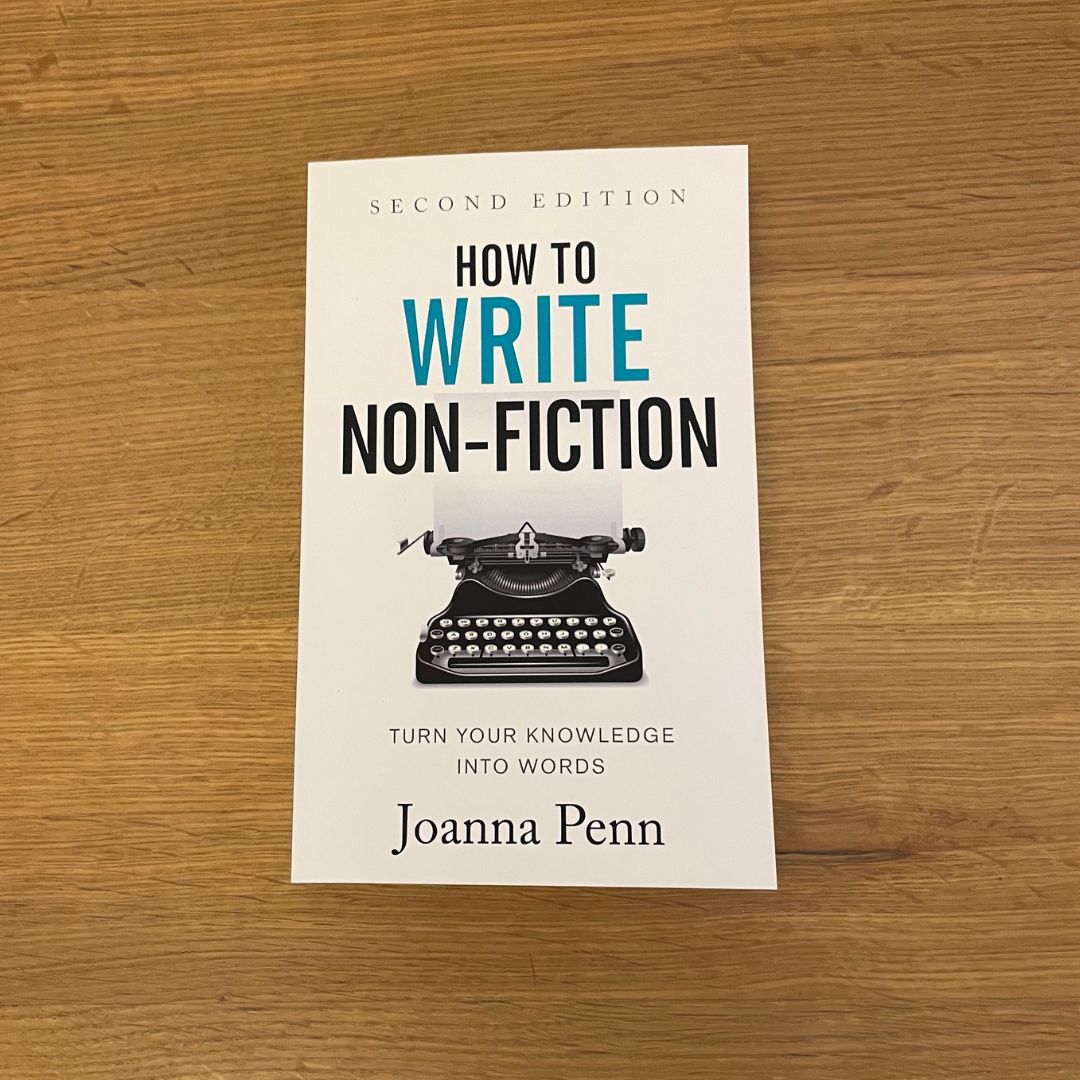
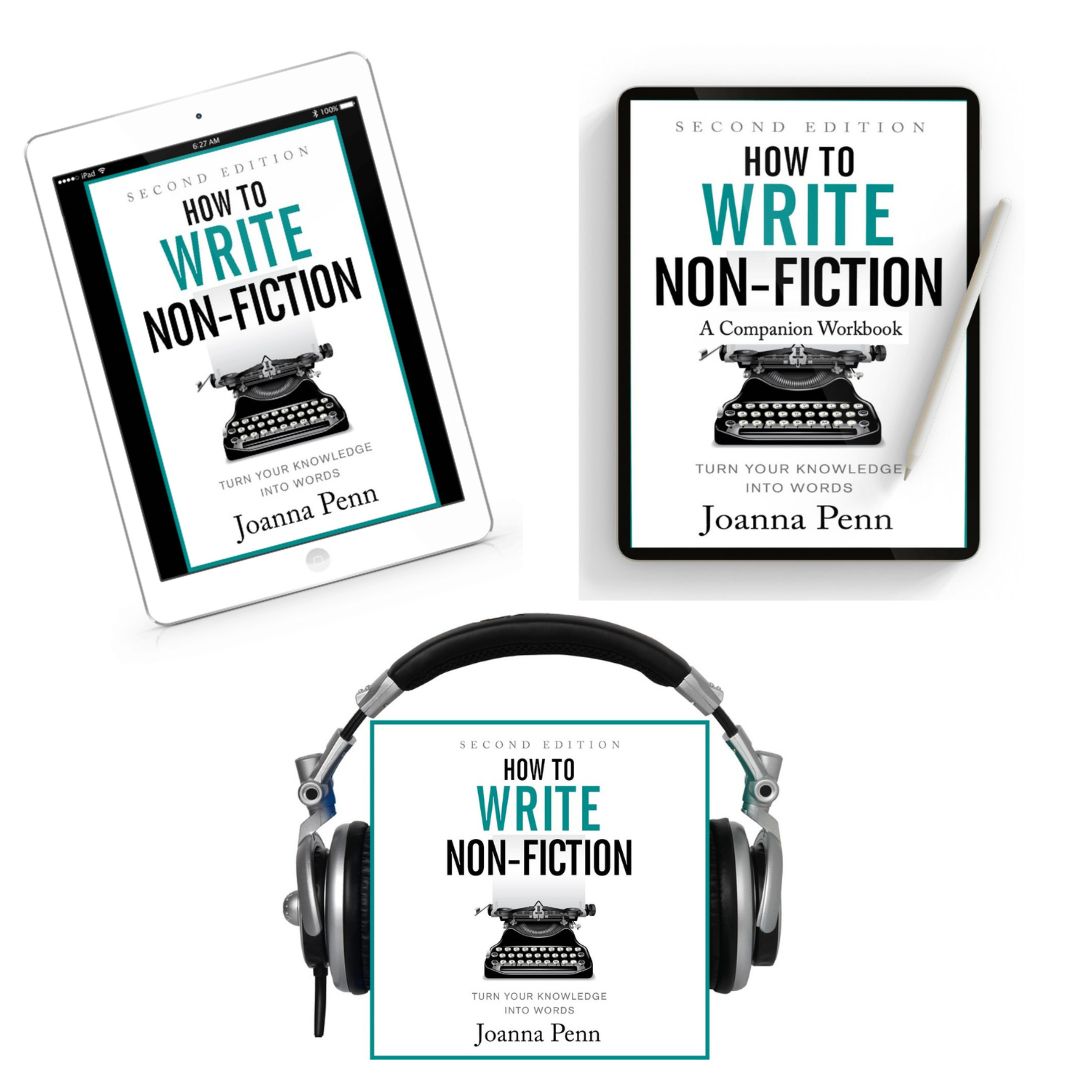
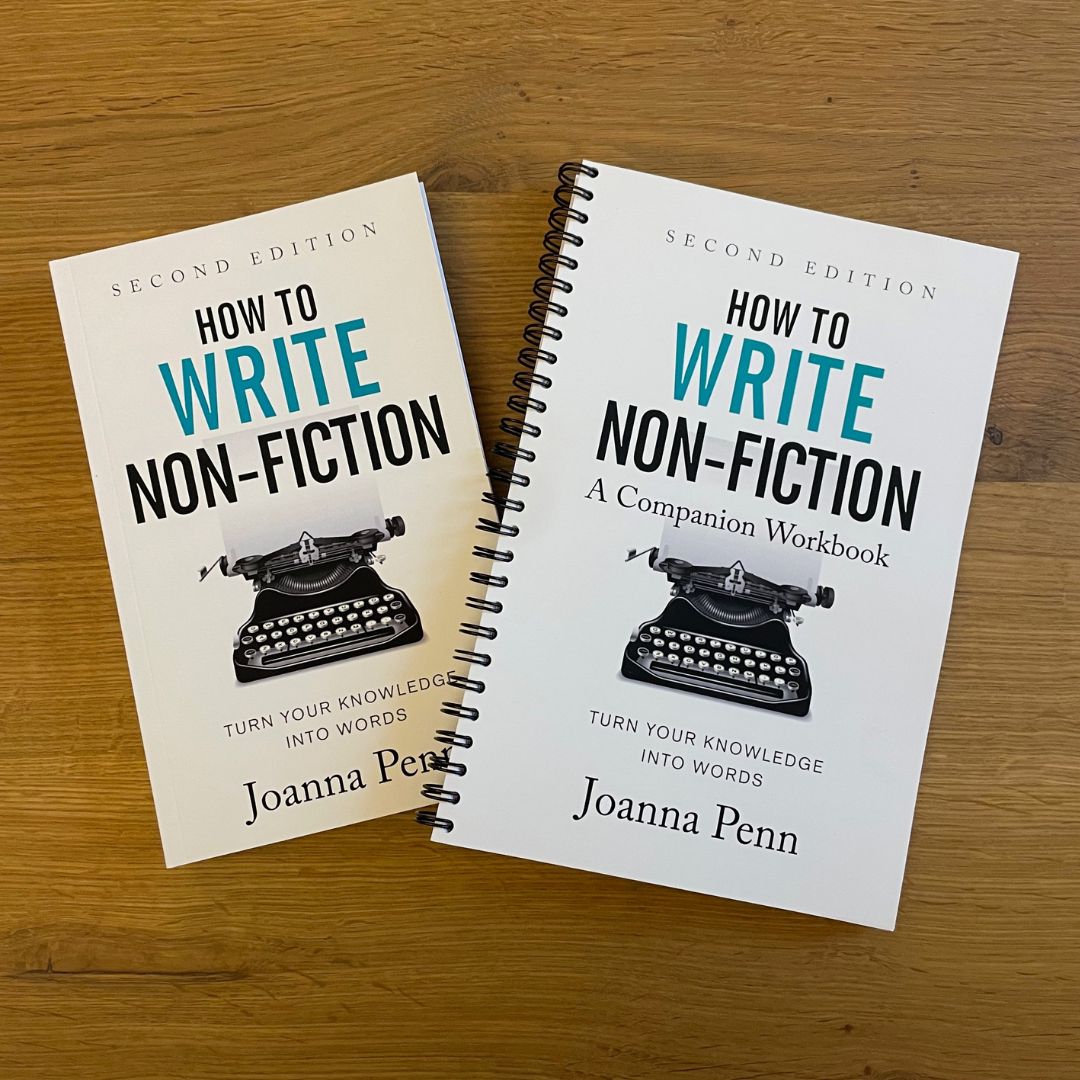
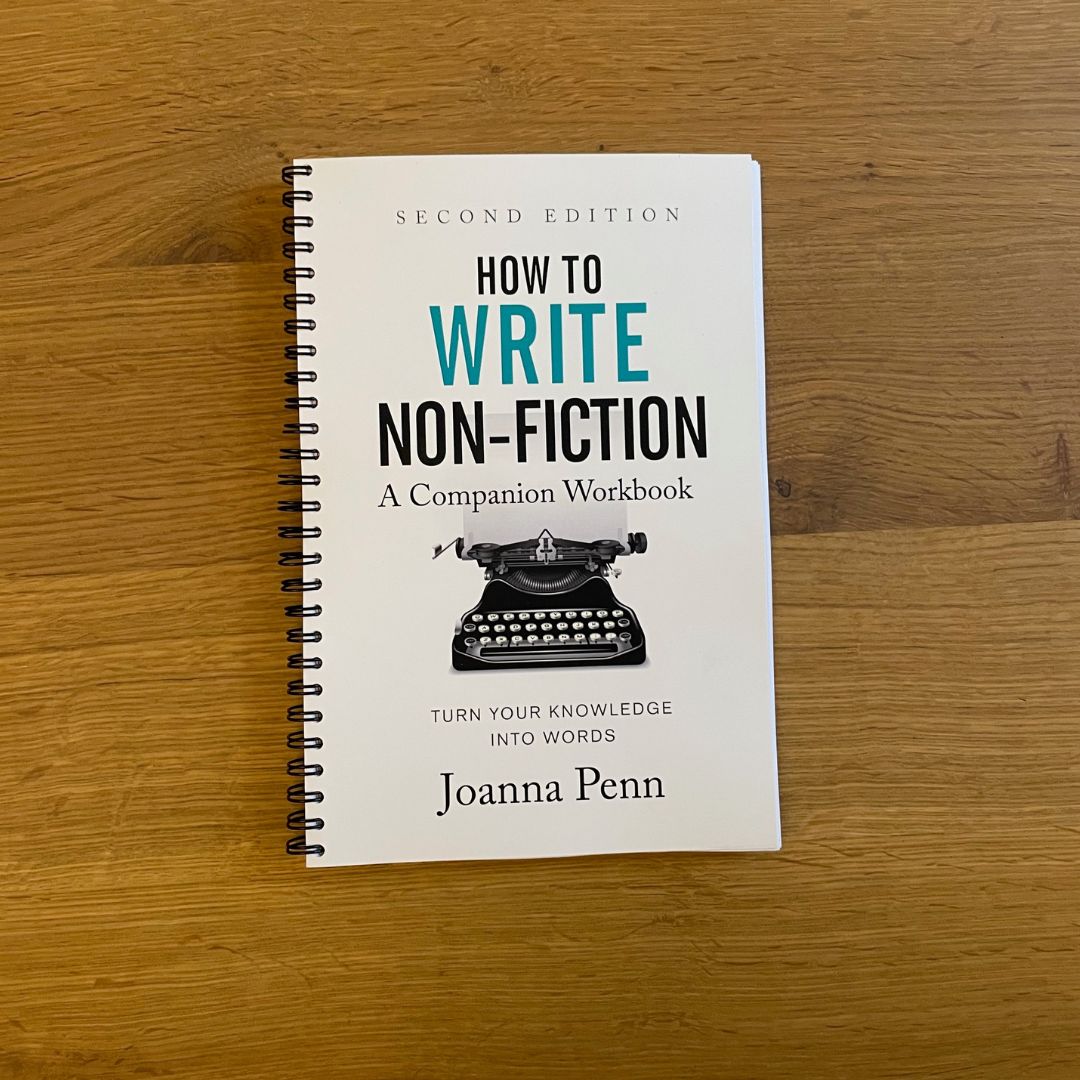
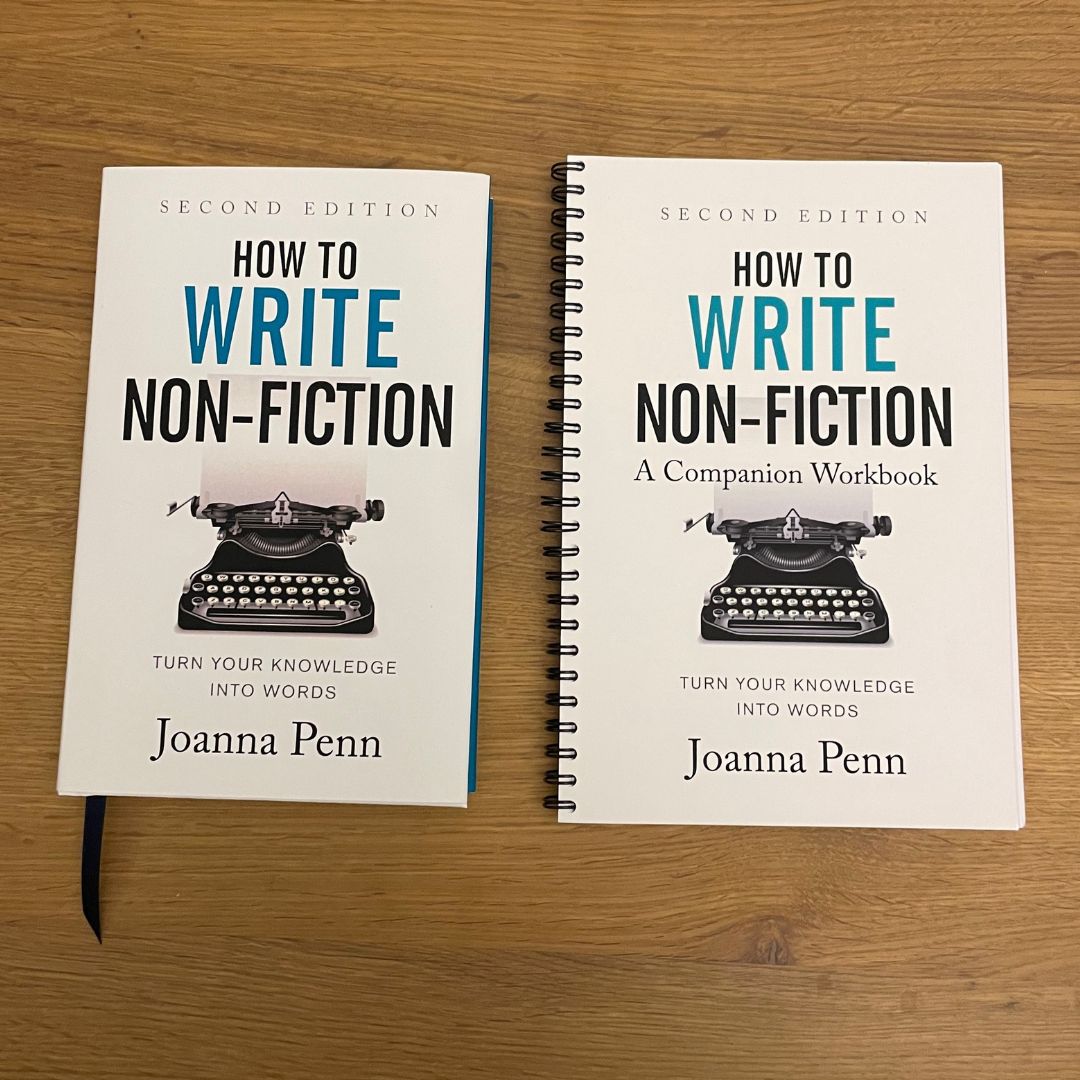
This is the second edition of How to Write Non-Fiction and it’s almost completely rewritten.
Since 2018, when I published the first edition, so much has changed in the industry and in the business of being a non-fiction author, and my writing style has matured too. I also learned a lot from writing a memoir and wanted to incorporate those lessons here.
Some books are likely to need more updates than others — for example, anything to do with technology or tools and tactics rather than evergreen principles. When companies change names — from Twitter to X — or when companies fade into obscurity, like Myspace, it can date the book immediately.
Try to keep your material as evergreen as possible by avoiding aspects that will date it, unless, of course, your book will not be complete without such material.
I was originally going to avoid the topic of AI in this second edition, but so many aspects of research, positioning, and marketing are easier with AI. I wanted this book to be useful and, since I use the tools myself, I included them, even though it’s likely to date faster than purely citing principles and mindset aspects.
If you self-publish, it’s easy to update your book files if you want to make changes. Most of us do this after publication anyway to update back matter, links, and any out-of-date information, as well as fix errant typos.
Minor changes (less than 10 percent of the total word count) don’t warrant a new edition. Just change your source files and upload the new version for both ebook and print. Use the same ISBN, and you’ll retain reviews.
However, if you want to make major changes, as I’ve done with this book, it needs to be a new edition.
You’ll need new ISBNs and you will lose your reviews, but on the flip side, you can launch as you would do any other book and make new sales and reach new readers.
If you’re traditionally published, check your contract to see if a new edition is an option. You might also decide to take back your rights in order to control your book going forward.
For more details on how to do this, check out Take Back Your Book: An Author’s Guide to Rights Reversion and Publishing on Your Terms by Katlyn Duncan.
Update the cover
Book cover design trends change over time, and covers can look dated after a few years, which will eventually drive down sales. You might also decide that your cover doesn’t adequately represent your book anymore and changing it might boost sales.
You can change a cover easily if you self-publish, and doing so doesn’t warrant a new edition or a new ISBN. Just upload a new cover file to the distributors and retailers.
If you have a traditional publisher, you could always request a cover change or look at getting your rights back if they’re not keeping the book up to date.
Change the title
Sometimes a book just has the wrong title. Seth Godin, bestselling author of multiple marketing books, admits that he got the title wrong for his book All Marketers Are Liars:
The irony is that I did a lousy job of telling a story about this book. The original cover seemed to be about lying and seemed to imply that my readers (marketers) were bad people. For people who bothered to read the book, they could see that this wasn’t true, but by the time they opened the cover, it was too late. A story was already told. I had failed.
The book was retitled and given a new cover several years after publication as All Marketers Tell Stories, with the cover showing the words Are Liars crossed out as a nod to the original.
I did the same with my first non-fiction book, How to Enjoy Your Job or Find A New One. After I discovered the principles of search engine optimisation, I realized that Career Change would be a more appropriate title, especially as I ended up changing my career by putting the principles outlined in the book into place.
The requirement for a new edition is more about the interior contents, so you can still use the same ISBN if you just change the cover and title, but make sure you include the words ‘Previously published as’ in the book and also on your sales description.
Some authors worry about readers being confused and perhaps accidentally buying the same book twice. But let’s be honest, most of us don’t sell millions of copies, so the chances are small, especially if you’re changing titles in order to sell more books. So don’t worry about it, just do what will improve the chances of your book being found and read!
Questions:
• Why might you need to update your book?
• How could you prepare for this so it’s easier to change later on?
• What are some ways that you can keep your book alive for the long-term?
Resources:
• Seth Godin’s article on updating All Marketers Are Liars: https://seths.blog/2009/11/a-new-cover-a-new-foreword-but-the-same-book/
• Take Back Your Book: An Author’s Guide to Rights Reversion and Publishing on Your Terms — Katlyn Duncan