
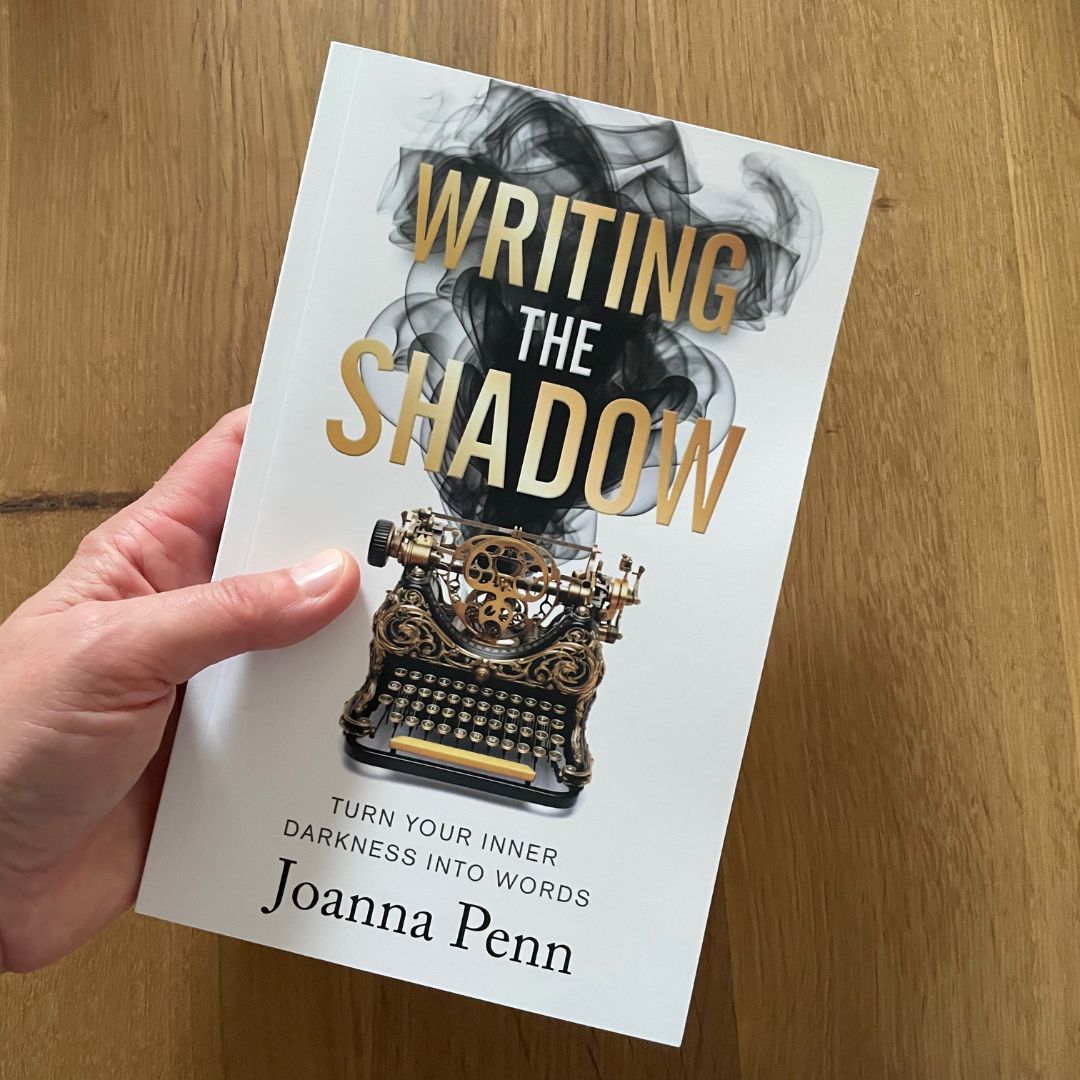
Writing the Shadow: Deepen your themes
“Write what disturbs you, what you fear, what you have not been willing to speak about. Be willing to split open.”
—Natalie Goldberg, Wild Mind
There are layers to every book.
Theme is what the story is really about. Not the surface events of the plot, but the underlying concepts or principles that you want to underscore.
My crime thriller Desecration opens with a murder in an anatomy museum and, on the surface, it’s a detective story about the hunt for the killer. But that’s just the plot. The theme is how the physical body defines us in life — and in death.
Some authors start with a theme in mind.
Some authors discover their theme after they’ve written the first draft or later during the editorial process.
Still others may never understand their theme consciously, but readers comment about things in reviews that reveal an underlying theme after all.
Regardless of how you get to it, your choice of theme says a great deal about you as an author. Over time, recurring themes are a clear aspect of your author voice, which you can further deepen with elements of Shadow.
Universal themes
Universal themes appeal to the greatest number of people because they are aspects of life we all recognise. Some examples include good versus evil, pursuing justice at all costs, or love in all its forms, which may include sacrificing everything, the transformative power of love, love across borders, or lost love and grief.
You can deepen a theme by including elements of Shadow.
The Shadow side of love can include jealousy, obsession, heartbreak, violence, and abuse of power.
In a good versus evil story, a superhero may leave collateral damage in their wake, destroying some people’s lives even as they save others.
If a character pursues justice at all costs, they might achieve their goal but end up destroying their life and their family.
Consider your favourite books, movies, and TV shows. Try to discern their themes and how the author has layered these themes into the story along with elements of Shadow, then see how far you can incorporate such aspects in your stories.
How your choice of theme might echo elements of your Shadow
“An artist can show things that other people are terrified of expressing.”
—Louise Bourgeois
We are all drawn to specific themes, and noticing what reoccurs in your books can help reveal elements of Shadow. It might take years to understand, but the signposts will be there.
My fiction often explores themes around questions of faith, religion, and spirituality, as well as sacrifice for family which echo back to my early experience outlined earlier. But I didn’t realise where my themes came from until years after writing, so trust your unconscious to incorporate elements, regardless.
If you uncover themes that hold personal meaning, you can tap into this emotional energy even further, lending greater authenticity and depth to your author voice, which is what readers will return for again and again.
Use symbolism to underscore theme
Symbols and recurring motifs are ways to bring more depth to your writing. They are a shorthand for meaning, and the most powerful symbols are those that resonate across cultures and generations.
Some symbols may be obviously related to theme. My thriller Crypt of Bone (unsurprisingly) includes images of bones, skulls, skeletons, and other portrayals of death in different guises as part of a good versus evil theme.
In Destroyer of Worlds, I used elements of fire and flame, candles and pyres, to reflect the cycle of creation and destruction, all elements associated with Shiva Nataraja, the Hindu god who dances the cycle of time surrounded by flames, a key element of the story.
It can be easier to tap into the unconscious through symbols and metaphor, so it will be interesting for you to discover what emerges in your writing.
Questions:
• Why is theme so important for stories that resonate deeply?
• What themes can you identify in books, films, and TV shows you particularly love and resonate with?
• How do aspects of the Shadow emerge in these themes?
• What themes can you identify in your writing?
• Can you recognise elements of Shadow there?
• What symbols are used in the books, films, and TV shows you love?
• What symbolism do you use in your books?
• How can you deepen theme with symbolism?
Resources:
• Wild Mind: Living the Writer’s Life — Natalie Goldberg
• Writing Your Story’s Theme: The Writer’s Guide to Plotting Stories That Matter — K.M. Weiland