
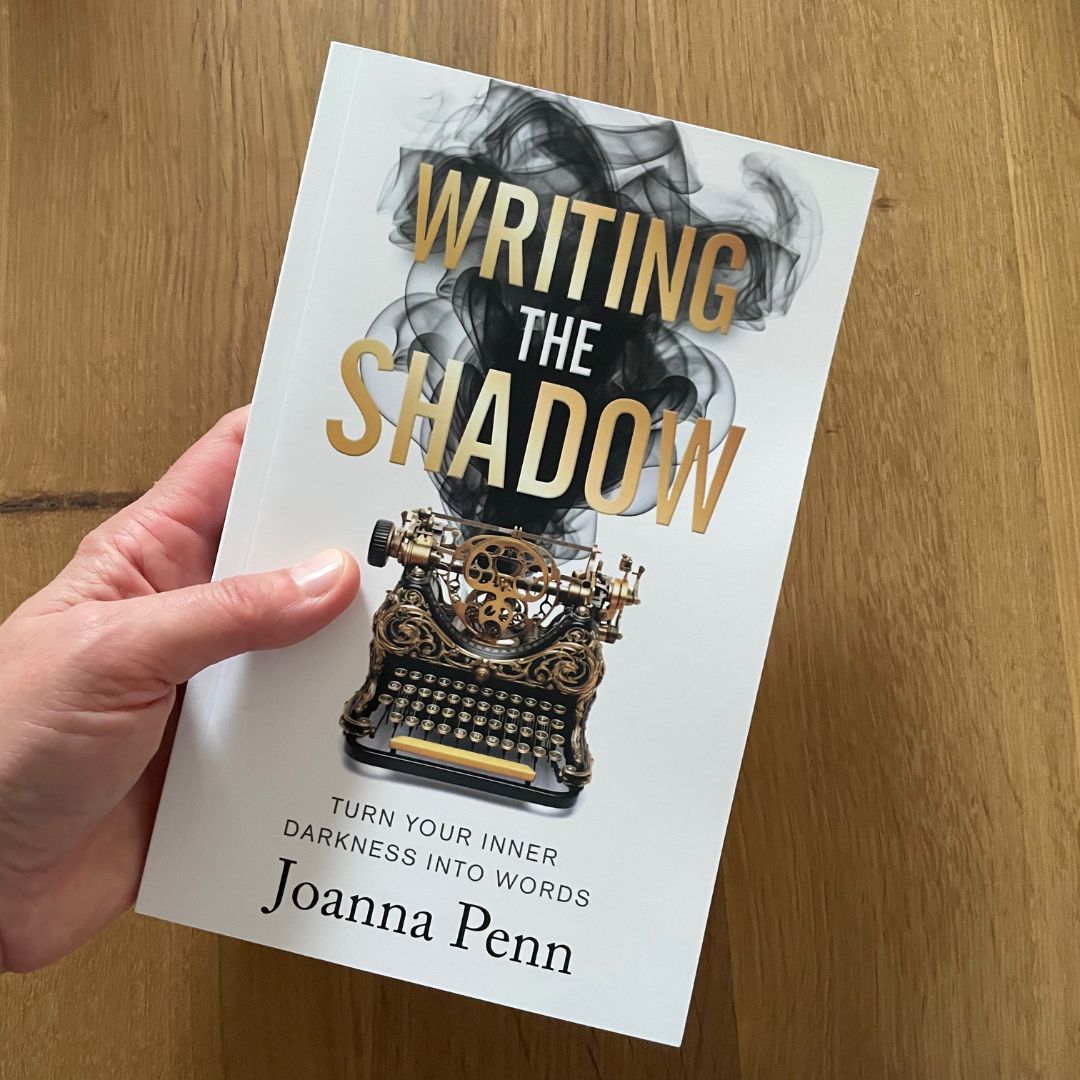
Writing the Shadow: Accept who you are
“The most terrifying thing is to accept oneself completely.”
—C.G. Jung, Psychology and Alchemy
Who would we be without our Shadow side?
We cannot know as it’s impossible to find out. You will never be perfect with no flaws. You cannot go through life without scars. You cannot avoid difficult, even damaging situations along the way.
The question is how you interpret them and how you use them in your life going forward.
Some people survive the worst atrocities and emerge transformed, spending their lives in service to humanity.
Others who go through the same thing spiral into behaviour that destroys themselves and other people.
Most of us sit somewhere in between these extremes. We do not suffer atrocities and we are not completely broken and unable to function in the world.
But we all have a Shadow side.
We hide it by wearing masks, by avoiding that which we are ashamed or afraid of.
So how can we stop hiding?
You are a mess — so am I
A lot of the time, we are not okay. We just pretend we are because we have to get on with all the things we have to do to live a functional life and be a responsible human.
We avoid engaging with the chaos, the broken side, the repressed Shadow. We put on a brave face and hide what’s really going on.
Connie Zweig in The Inner Work of Age says, “We each have a flaw, a crack, a shadow. We are vessels with imperfections, wounds, and regrets… If we are fortunate, we can even begin to see the gifts of our wounds and the beauty of our cracks—and even the beauty in the cracks of others. We begin to see how our wounds gave us our uniqueness—how the light shines in through them.”
Part of this process is accepting our cracks and flaws, and accepting the Shadow in ourselves and others. We’re all a work in progress, so let’s stop pretending otherwise.
As Brené Brown says in The Gifts of Imperfection, “Owning our story and loving ourselves through that process is the bravest thing that we’ll ever do.”
It’s not about blaming others
“If someone comes along and shoots an arrow into your heart, it’s fruitless to stand there and yell at the person. It would be much better to turn your attention to the fact that there’s an arrow in your heart.”
—Pema Chödrön, Start Where You Are
It’s worth spending time on writing out all the hate and blame and anger and envy and guilt and fear — and everything else — you hold towards other people to explain why you are who you are today.
Spend some time really letting loose.
Be as self-indulgent and self-pitying as you can.
Maybe terrible things have happened to you and other people have caused you great pain. Whatever it is, write it down.
But once you’ve wallowed in that sticky, smelly mud for long enough, it’s time to clamber out, wash it off, and get on with creating a new version of yourself.
How do you know when you’ve been wallowing long enough?
You will know because you’ll be sick of feeling that way, and the pain will be enough to drive you to make a change.
Back when I was truly miserable in my day job as an IT consultant, I used to blame others for my situation. I couldn’t work out how I ended up there doing a job I hated. It seemed like the result of more than a decade of unconscious choices shaped by the expectations of other people and society. I didn’t know how to get out of the situation — but I was sure I could find the answer in a book.
In 2005, I read The Success Principles: How to Get from Where You Are to Where You Want to Be by Jack Canfield. The first principle is “Take 100% responsibility for your life.”
The rest of the book is filled with useful advice, but that principle in particular struck me hard. I could only change my life if I stopped blaming others, and took action towards my goals.
I started writing my first non-fiction book, which would become Career Change. In 2008, I started my website, TheCreativePenn.com, then my podcast, and then I started writing fiction. One step after the next.
In 2011, six years after reading The Success Principles, I left my consulting job to become a full-time author entrepreneur. I took responsibility for my life, and I never looked back.
You can’t change other people. You can’t change the past. You can only change yourself and forge a new path for your future.
It’s not about removing the Shadow completely
This process is not about finding everything in your unconscious and getting rid of it all. It’s about recognising aspects of your personality and then becoming more aware, so you can stop them from being in charge, and prevent them from sabotaging you in ways you can’t control.
It’s also about channeling some of those areas in a healthier way, sublimating them into our words, and using the richness of our hidden depths to deepen our creative body of work.
As Jung said, “One does not become enlightened by imagining figures of light, but by making the darkness conscious.”
Of course, self-acceptance and self-love are not about just patting yourself on the back and saying, ‘Well, great, I’m fine as I am,’ and never improving.
It’s about balance.
We can work towards accepting who we are right now — including our elements of Shadow — and still move forward, developing and growing and changing as we become a better version of ourselves.
This is the work of a lifetime
It’s not like you will one day be a flawless being with no inner darkness.
You can’t pull all the Shadow out, deal with it in one fell swoop, and be all shiny and perfect.
As we grow and change, additional aspects of Shadow emerge to be dealt with. We will also push new things into the darkness as we face fresh challenges at different stages in our lives.
It’s not about fixing everything.
Kintsugi is the Japanese art of repairing broken pottery in a way that embraces the cracks, chips, and damaged parts rather than trying to hide them. Gold or silver is mixed with lacquer to highlight the lines and make the repair an integral part of the remade object. It’s considered more beautiful because of its obvious flaws.
Writing is a safe way to explore and express your Shadow
Once again, I’m not suggesting you throw off the shackles of civilised society and start indulging everything your Shadow self would love to do.
If you act in those self-destructive ways, the Shadow has taken control and will drive you off a cliff.
But you are a writer.
You can put whatever the hell you want onto the blank page.
You can safely write your unedited self into your books and no one need know it’s there. But you will know, and in that way, you can bring aspects of your Shadow safely into the light.
“The artists… who touch us deeply are the ones who are not so scared and limited to only express their appropriate qualities. The ones we are moved by are the ones who are brave or eccentric enough to go to the edges of what’s normal and safe.”
—Jamie Catto, Insanely Gifted
Questions:
• How are you a mess right now?
• What are the things about yourself that you struggle to accept?
• In what ways do you blame others for your situation?
• How can you take 100 percent responsibility for your life?
• How can you work towards accepting your cracks and flaws — or even making them a beautiful part of who you are?
Resources:
• Insanely Gifted: Turn Your Demons into Creative Rocket Fuel — Jamie Catto
• Start Where You Are: A Guide to Compassionate Living — Pema Chödrön
• The Gifts of Imperfection: Let Go of Who You Think You’re Supposed to Be and Embrace Who You Are — Brené Brown
• The Inner Work of Age: Shifting from Role to Soul — Connie Zweig
• The Success Principles: How to Get from Where You Are to Where You Want to Be — Jack Canfield with Janet Switzer