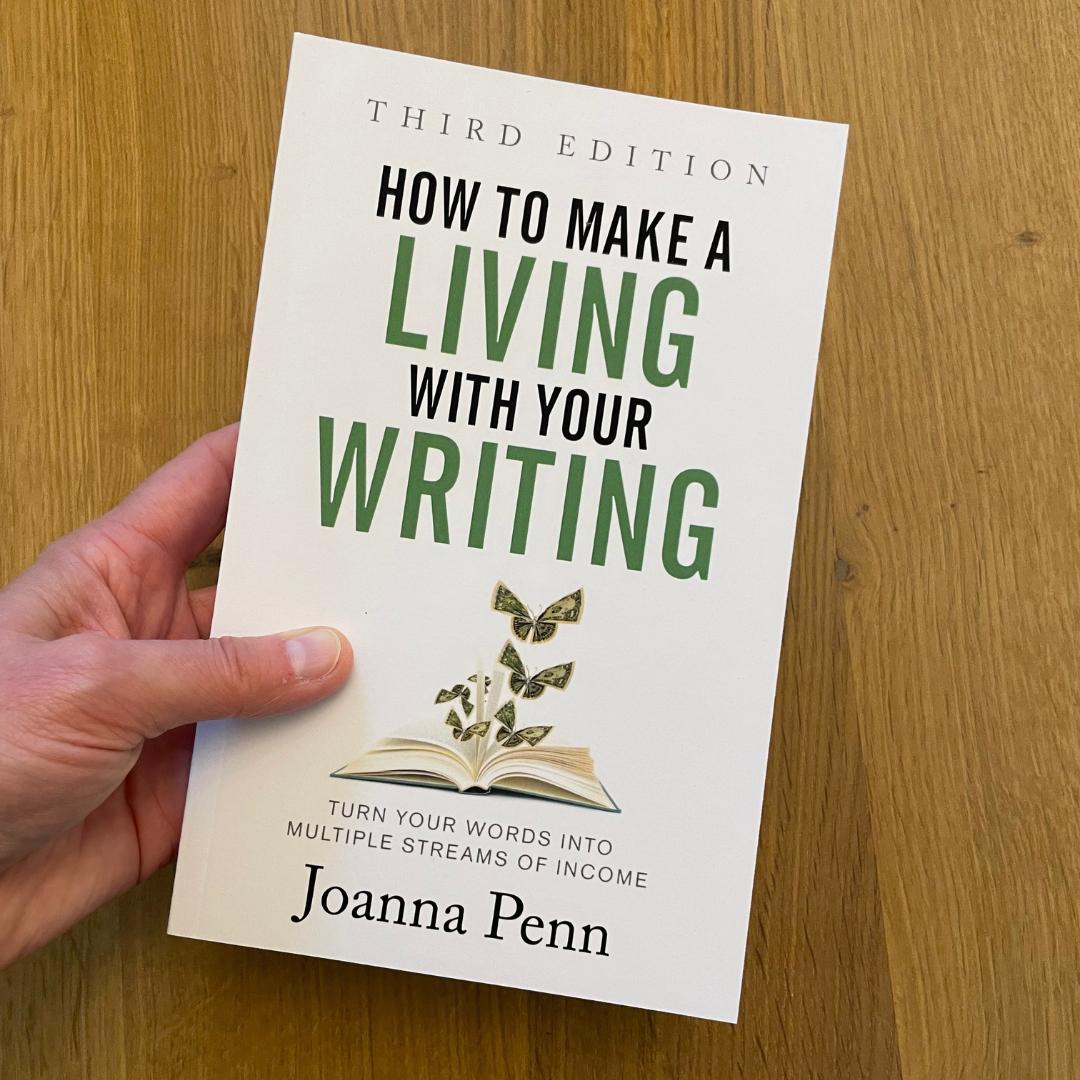
How to Make a Living With Your Writing: Publish in multiple formats
“Write and publish as frequently as you can create quality books, and publish in all formats (print, ebook, audio). Find what works: what your audience likes, and what sells best. Do more of that.”
Holly Worton, Nature and adventure mindset author
Readers have preferences on book format.
The way you read is not necessarily the same as how other people read, so don’t dismiss a format just because you don’t use it yourself. If your work is available in multiple formats, you can reach every reader in their preferred way and bring in other streams of income from the same material.
These days, I read fiction in ebook format on my Kindle and occasionally listen to a novel as an audiobook, whereas for non-fiction, I prefer audiobook and will often buy the hardback or paperback if I want to review the content later. I also buy a lot of non-fiction in print for book research purposes.
I release my own books in ebook, paperback, hardback, large print and audiobook editions, as well as some workbooks, under my Curl Up Press imprint. Print-on-demand makes it easier and much cheaper to release multiple print editions.
Here are some format possibilities and you can find detail on how to publish them in my free ebook, Successful Self-Publishing, also available in print and audio.
Ebook
The ebook market is increasingly fragmented and you can reach readers in 190 countries if you publish your ebooks on the various platforms. The biggest retailers include Amazon Kindle, Apple Books, Kobo, Nook, and Google Play, but there are also many more services across the world, as well as library ebook distribution, which expanded significantly during the pandemic.
You can publish direct and/or use aggregators like Draft2Digital, Smashwords, PublishDrive, or Streetlib for distribution.
You can easily format your ebooks with Vellum for all stores, and I have a tutorial on how to format an ebook and a print book. You can find more options for formatting at TheCreativePenn.com/formatting
Paperback
You can publish print-on-demand paperbacks in various sizes through KDP Print and Ingram Spark. Most independent authors now use both services, using KDP Print for Amazon only, and Ingram Spark for wide distribution which enables discounting, optional returns, and ease of ordering for bookstores, libraries, universities, and online retailers.
Large print (paperback or hardback)
Many readers want to read print books but find the font size in many of them too small. Large print books are not usually for sale in physical bookstores, so they are an underserved market with an audience who purchase online or borrow from libraries. They are easy to produce with print-on-demand.
Large print books can be particularly popular with certain demographics. My mum writes sweet romance as Penny Appleton and in 2020, 55% of her book sales income came from large print editions. I don’t sell as many with my two main brands, but with print-on-demand, there’s very little upfront cost so I have some available, anyway.
I create paperback large print editions but some authors have found that hardback large print can also be worth doing, as libraries prefer them and they make lovely gifts.
Audiobook
Audiobooks are the fastest growing segment in publishing, with an expanding range of options for global distribution. You can reach listeners through 42 different platforms including Audible, Apple Books, and Google Play, as well as subscription sites like Storytel and Scribd, and library services if you publish through ACX and Findaway Voices.
For more detail on producing, publishing and marketing audiobooks, check out Audio for Authors: Audiobooks, Podcasting, and Voice Technologies.
Hardback
You can publish print-on-demand hardback editions through Ingram Spark with options for case laminate, cloth, or dust jacket cover.
Workbooks
If you write non-fiction and/or teach workshops, workbooks can be a good option to add another product.
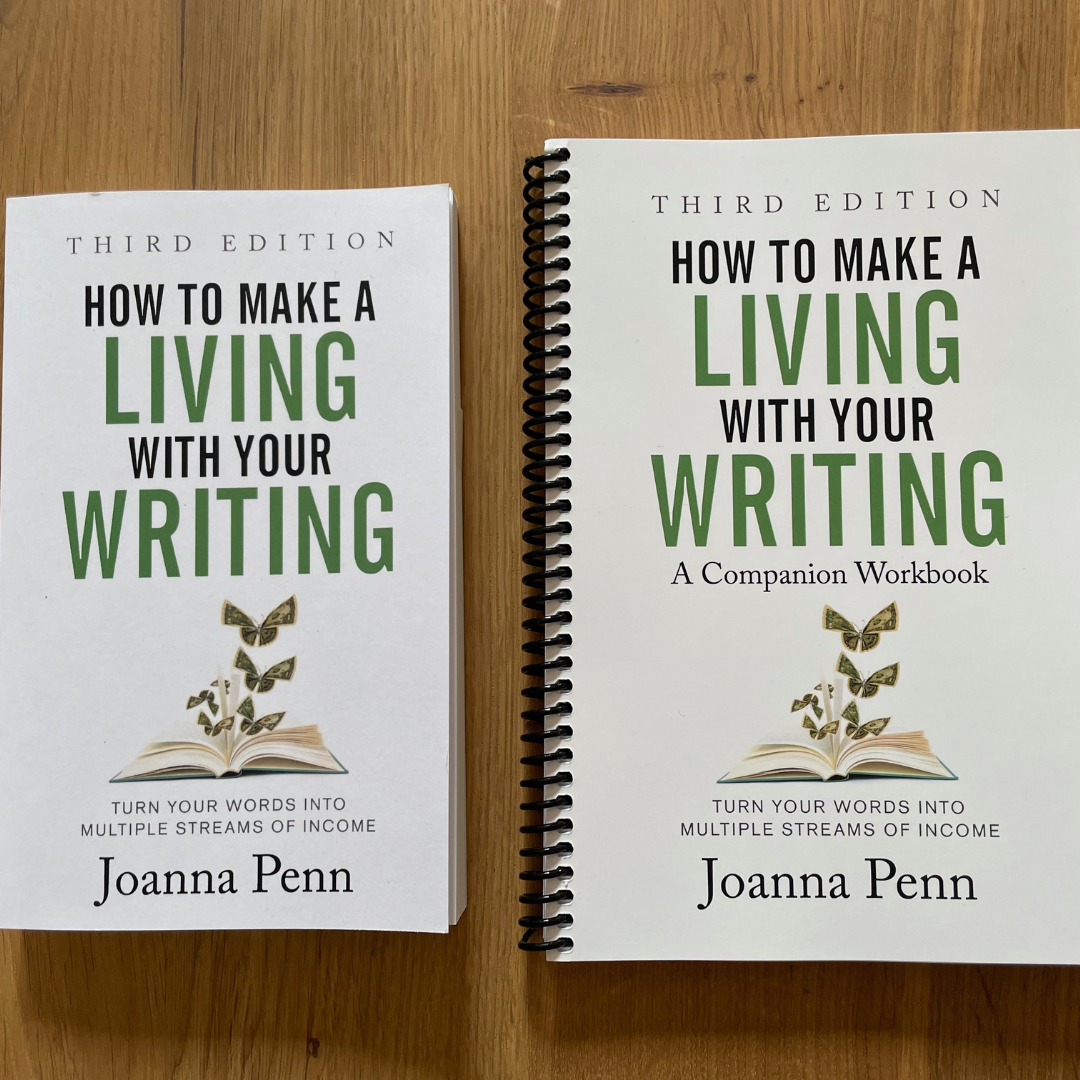
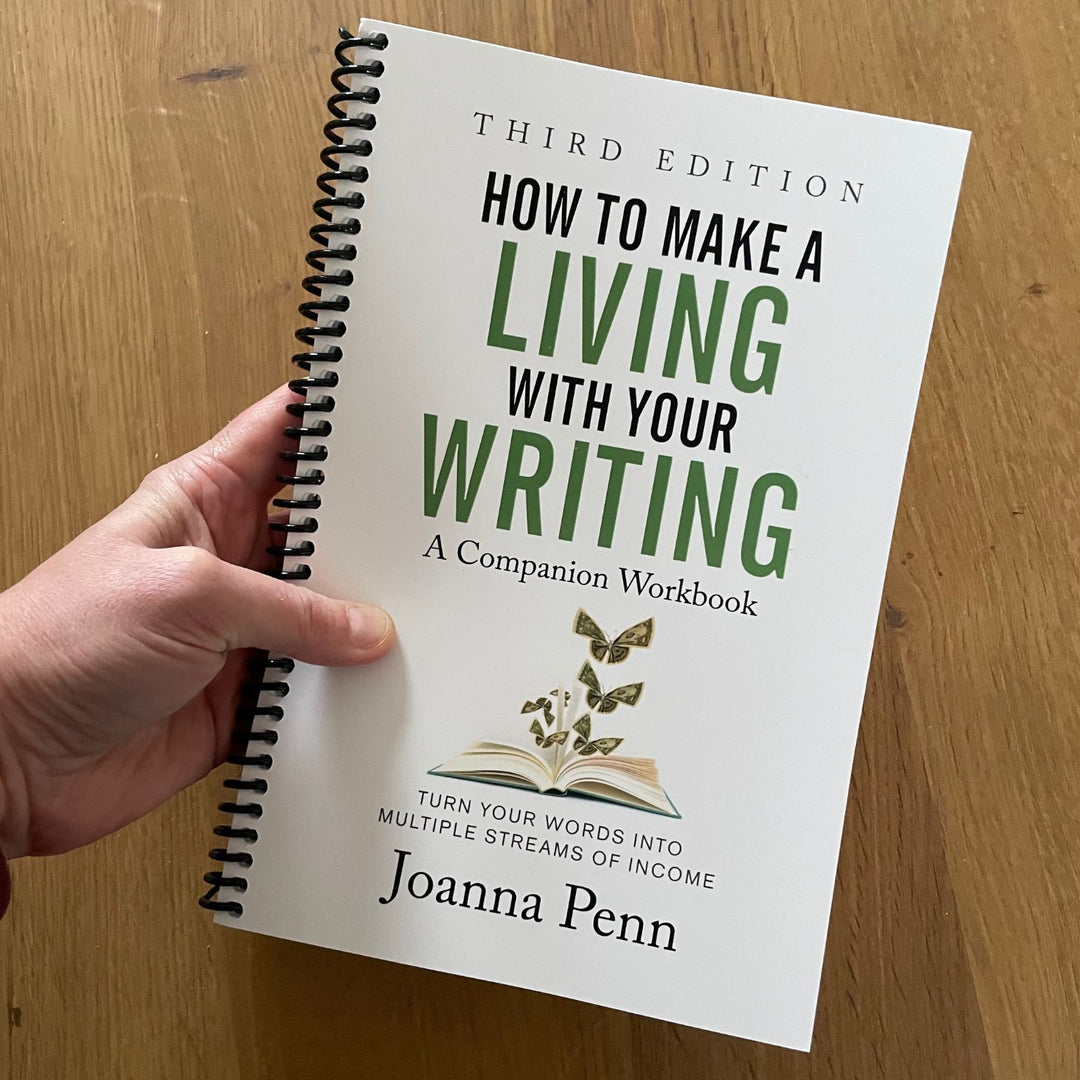
I create 6 x 9 inch paperbacks which include questions from the book and lines for people to write in the answers. There’s a workbook that goes along with this book if you’d like to try it at TheCreativePenn.com/makealivingworkbook
Ebook boxsets or bundling
Ebook boxsets are great value for readers and enable the binge consumption that many prefer. They are sometimes called omnibus editions and while there is no physical box, the cover makes it clear that there are multiple books included.
They are easy to advertise at a special price, and this kind of boxset promotion can help you to hit significant bestseller lists. For example, my thriller, One Day in Budapest, was in the Deadly Dozen Boxset, which hit the New York Times bestseller list in 2014 and sold over 110,000 copies. I also hit the USA Today bestseller list with my ARKANE three-book boxset in 2016, five years after I published the first book in the series.
Ebook boxsets are more common for fiction authors with a series. For example, I have three ARKANE boxsets containing three ebooks each, as well as a nine-book boxset. You can create non-fiction boxsets around a theme or produce a multi-author boxset promotion.
Many authors worry about the boxset edition cannibalizing sales of individual books, but I’ve found boxset readers differ from those who prefer single book reading. If you don’t have ebook boxsets, you’re definitely missing out on income and promotional opportunities.
You can easily create ebook boxsets with Vellum.
Audiobook boxsets
Audiobook boxsets offer the same benefits as ebook boxsets. They are particularly good value for listeners who buy credits on sites like Audible and enable authors with shorter books to compete with longer fiction works as listeners want the best value for their credit.
Special editions
Special editions can’t be produced with print-on-demand as they are usually a limited print run with special features like special paper, leather bindings, or gold embossing on the cover.
They require upfront payment for specialist design and printing, and then the books must be warehoused and shipped to the customer which takes time and more money, so this type of project is only for those authors who have the budget and professional help with production.
Some authors use crowdfunding for these special projects, as covered further in section 2.3. For example, author and poet Orna Ross created a limited-edition, gold-embossed hardback with a custom design for Secret Rose to mark the 150th anniversary of the birth of W.B. Yeats.
Traditionally published authors can also create these kinds of projects if they retain the rights. Fantasy author Brandon Sanderson raised nearly US$7 million on Kickstarter to create the 10th anniversary leather-bound edition of The Way of Kings in 2020. Although he licenses most of his rights to publishers, he retained special editions. Certainly something to consider if you’re signing a contract with a publisher.
Bulk sales
Bulk sales, also known as direct or corporate or special sales, involve selling hundreds or even thousands of books at once to a specific organization. They order and pay in advance, then the books are printed and delivered. These sales have no impact on metrics like ranking on bestseller lists, but they do put money directly in your pocket!
Canadian author David Chilton, known as The Wealthy Barber, has made hundreds of thousands of dollars selling his finance books in bulk to large corporates. In an interview on The Creative Penn Podcast, David said, “I’ve never seen a better Return On Investment on efforts than I see in the corporate sales arena of the book publishing industry.”
This approach can also be used for sales to schools. Author David Hendrickson’s YA novels feature bullying and other topics that schools want to discuss in class. He sells books in bulk directly to schools for use in lessons, printing them through Ingram Spark.
Questions:
• What formats do you read?
• What formats are your books available in right now?
• What other formats could you create? (If you retain the rights)
Resources:
• Successful Self-Publishing: How to Self-Publish and Market Your Book — Joanna Penn
• Creative Self-Publishing: Make and Sell Your Books Your Way — Orna A. Ross and the Alliance of Independent Authors
• An Author’s Guide to Working with Libraries & Bookstores — Mark Leslie Lefebvre
• Audio for Authors: Audiobooks, Podcasting, and Voice Technologies — Joanna Penn
• How to Make Real Money Selling Books without Worrying about Returns — Brian Jud
• How to Get Your Book Into Schools and Double Your Income With Volume Sales — David H. Hendrickson
• Formatting options including software and freelancers — www.TheCreativePenn.com/formatting
• Vellum software for ebook and print formatting — www.TheCreativePenn.com/vellum
• Tutorial on how to use Vellum for formatting — www.TheCreativePenn.com/vellum-tutorial
• Interview with David Chilton on bulk sales — www.TheCreativePenn.com/davidchilton
• David Chilton’s course on bulk sales — www.TheCreativePenn.com/bulksales
• Interview with David Hendrickson on selling directly into schools — www.TheCreativePenn.com/schoolsales